

What's Happening?
Steve Jang, founder and managing partner of U.S. venture capital firm Kindred Ventures, recently discussed the increasing global interest in addressing memory bottlenecks within computing infrastructure. Speaking at 'AI Wave: Seoul 2026,' an event hosted
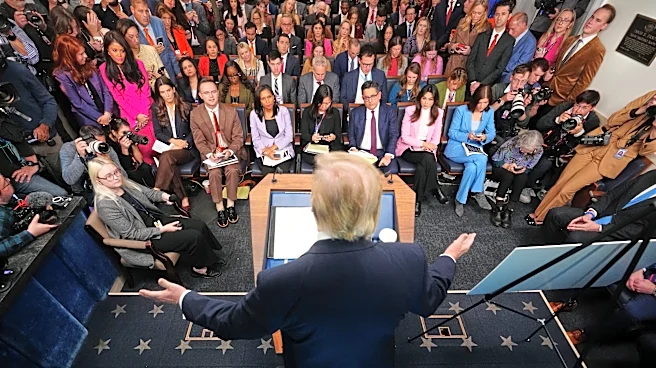
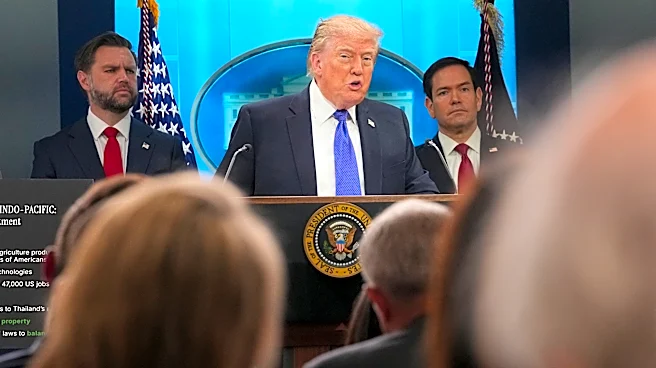
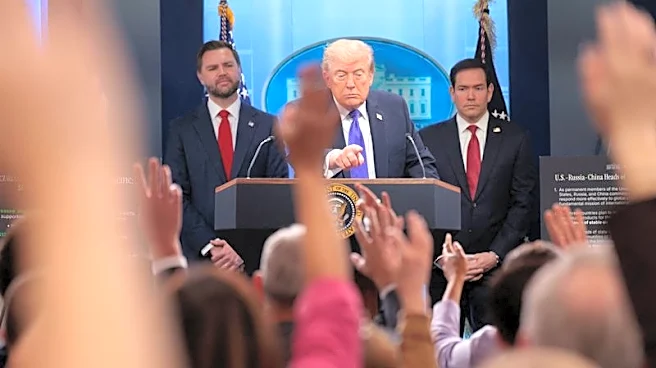
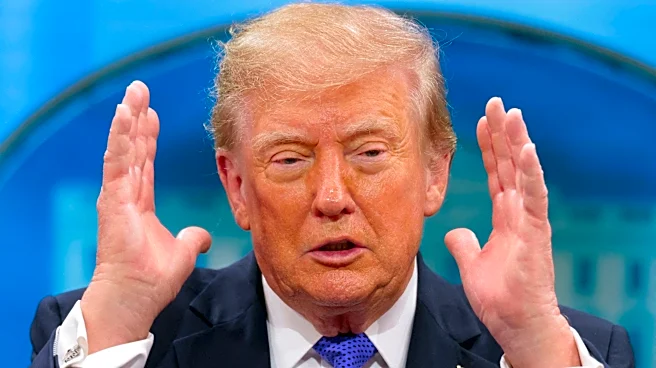
by Kindred Ventures and co-organized by SBVA and DS Investment & Securities, Jang emphasized Korea's significant influence in the global market due to its production of high-bandwidth memory (HBM) and high-end DRAM. He noted a rising interest in partnerships with Korea from global venture capital firms and companies. Jang also addressed concerns about AI investment stemming from geopolitical and political issues, citing recent controversies involving Nvidia and remarks by President Trump regarding potential taxes on U.S. companies building data centers overseas. He suggested that such regulations could have a ripple effect, even reaching early-stage companies.
Why It's Important?
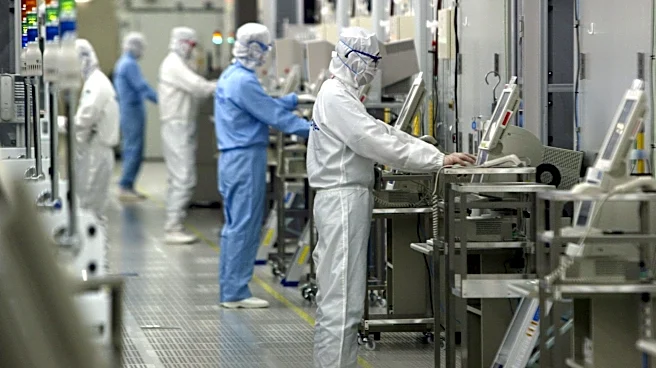
Korea's pivotal role in the supply chain for advanced memory components, crucial for AI development, positions it as a key player in the global technology landscape. The growing interest from U.S. venture capital firms like Kindred Ventures in partnering with Korean entities underscores the strategic importance of these collaborations for advancing AI and deep tech. The discussion around memory bottlenecks highlights a critical challenge for the continued expansion of AI infrastructure, making Korea's manufacturing capabilities indispensable. Furthermore, President Trump's proposed policies on data centers abroad introduce a layer of regulatory uncertainty that could impact investment strategies and operational decisions for U.S. tech companies and venture capitalists, potentially leading to shifts in global investment flows and business models.
What's Next?
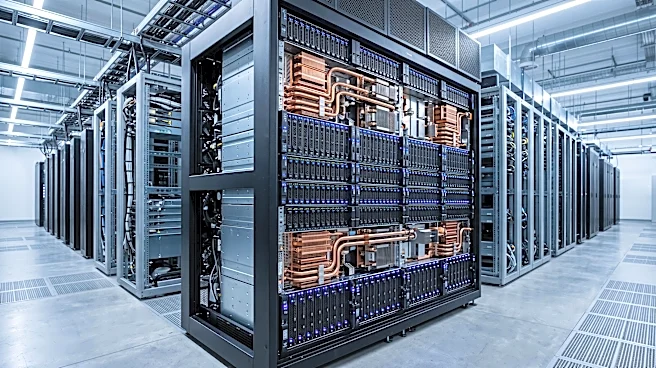
The ongoing discussions about memory bottlenecks and Korea's role in providing HBM and high-end DRAM suggest a continued focus on international partnerships to secure critical components for AI development. U.S. venture capital firms and tech companies may increasingly seek to establish or strengthen ties with Korean manufacturers and innovators. The potential for new U.S. regulations, such as taxes on data centers built overseas, could prompt companies to re-evaluate their global infrastructure strategies. This may lead to a diversification of business operations and a greater emphasis on local partnerships to mitigate regulatory risks, as suggested by Jang. The AI industry will likely continue to monitor policy developments closely, particularly those impacting international collaboration and investment.
Beyond the Headlines
The emphasis on Korea's role in the AI memory supply chain points to a broader trend of increasing technological interdependence and the strategic importance of specific national capabilities in critical sectors. The concerns raised about geopolitical and political issues affecting AI investment, particularly in the context of President Trump's statements, highlight the growing intersection of technology, trade, and national policy. This dynamic could lead to a more fragmented global technology ecosystem, where companies must navigate complex regulatory environments and political considerations in addition to market forces. The call for diversification and local partnerships to mitigate risks suggests a potential shift towards more resilient, regionally focused supply chains and investment strategies in the face of global uncertainties.