




What's Happening?
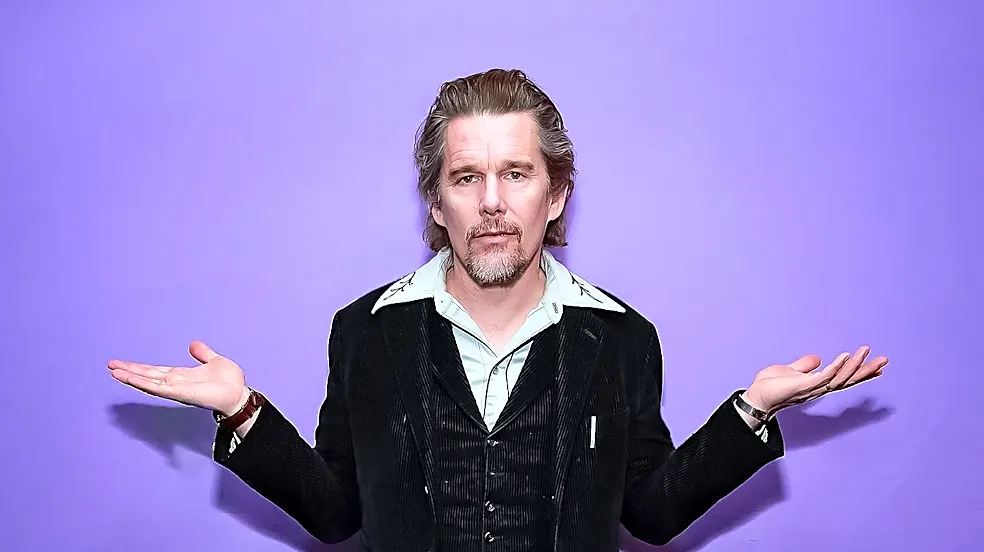
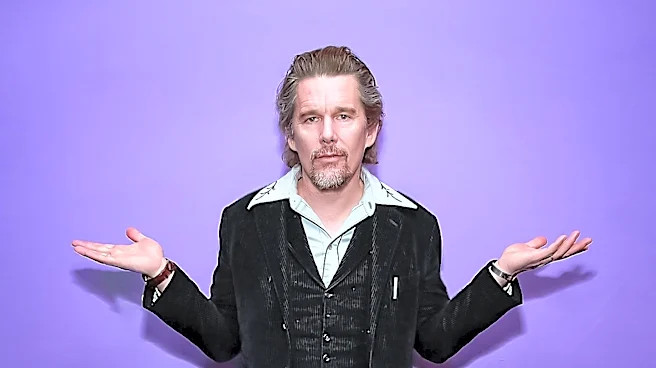
Actor Ethan Hawke has shed light on the unique collaborative writing process that contributed to the authentic and spontaneous-feeling dialogue in the acclaimed 'Before' trilogy. Speaking on Scene Stealers with John Feitelberg, Hawke explained that the natural
conversations between his character, Jesse, and Julie Delpy's Céline were not purely improvised. Instead, he, Delpy, and director Richard Linklater engaged in a method Hawke termed 'controlled improvising.' This involved trying out various lines and ideas, selecting those that resonated, and refining them to serve the narrative. The goal was to create dialogue that felt genuinely spontaneous, as if real people were conversing, while still being carefully crafted to explore themes of love, faith, relationships, and life's uncertainties. This meticulous approach allowed the films to maintain an intimate atmosphere while ensuring the conversations advanced the story and character development. The trilogy, which began with 'Before Sunrise' in 1995, continued with 'Before Sunset' in 2004, and concluded with 'Before Midnight' in 2013, is celebrated for its character-driven storytelling and realistic portrayal of a relationship evolving over decades.
Why It's Important?
The revelation of the 'controlled improvising' technique offers significant insight into the craft of filmmaking, particularly in creating believable character interactions. This method highlights a departure from traditional scriptwriting or pure improvisation, demonstrating how a hybrid approach can yield exceptionally authentic results. For aspiring filmmakers and screenwriters, it provides a valuable case study in developing dialogue that feels organic and deeply personal, enhancing audience engagement and emotional resonance. The success of the 'Before' trilogy, largely attributed to its dialogue, underscores the impact of such innovative creative processes on cinematic storytelling. It also reinforces the idea that genuine spontaneity in performance can often be the result of extensive, thoughtful preparation and collaboration, rather than solely on-the-spot invention. This approach has influenced how character-driven narratives are perceived and crafted within the industry, emphasizing the importance of actor input in shaping their roles and interactions.
What's Next?
While the 'Before' trilogy concluded in 2013, Hawke's explanation of its creative process may inspire future filmmakers and actors to adopt similar collaborative writing techniques. The detailed account could lead to more workshops, discussions, and academic studies focusing on 'controlled improvising' as a viable method for developing realistic dialogue in film and television. Directors and screenwriters might experiment with integrating actors more deeply into the dialogue creation phase, potentially leading to a shift in how scripts are developed, especially for character-focused projects. This insight could also influence acting schools to incorporate such collaborative writing exercises into their curriculum, preparing actors for more active roles in shaping their characters' voices. The enduring popularity and critical acclaim of the 'Before' trilogy suggest that its innovative methods will continue to be studied and potentially replicated in new cinematic endeavors.
Beyond the Headlines
The 'controlled improvising' method employed in the 'Before' trilogy transcends mere filmmaking technique; it speaks to a deeper philosophical approach to art that values authenticity and the organic evolution of narrative. By allowing actors to contribute significantly to their characters' dialogue, the process blurs the lines between performer and creator, fostering a more profound connection to the material. This collaborative model challenges the traditional hierarchical structure of film production, advocating for a more democratic creative environment where ideas can flow freely and be refined collectively. Ethically, it empowers actors, recognizing their unique insights into their characters' psyches. Culturally, the trilogy's success, built on these genuine conversations, reflects a societal appreciation for nuanced, realistic portrayals of human relationships, moving beyond simplistic romantic tropes. This approach could encourage a broader shift in storytelling across various media, prioritizing depth and authenticity over formulaic narratives.