





What's Happening?
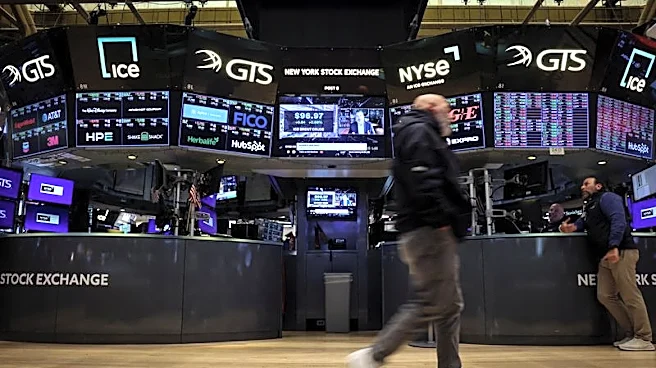
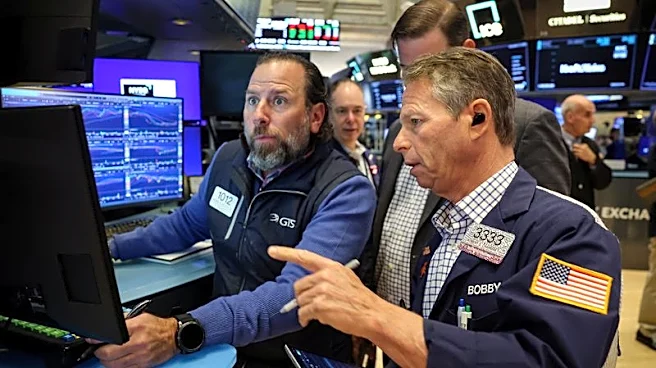
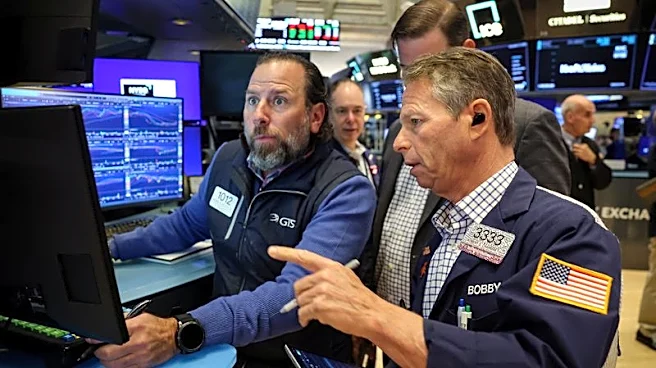
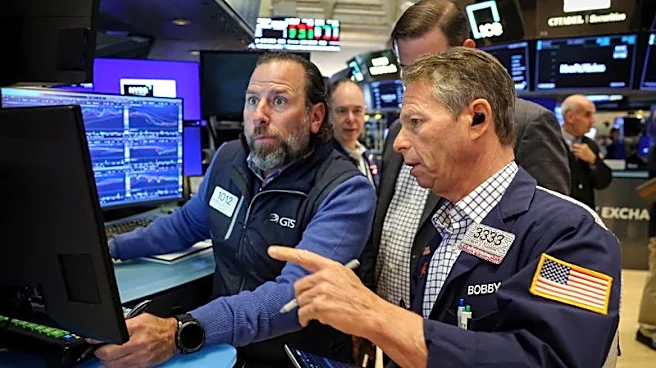
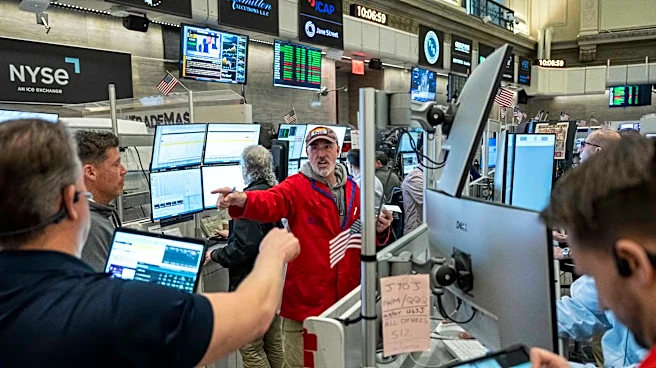
On November 17, U.S. stock markets experienced a significant downturn, with the S&P 500 marking its fourth consecutive day of losses, falling 1.03% to 7,341. The Nasdaq Composite dropped 0.74% to 24,328, driven by weakness in the technology sector, while
the Dow Jones Industrial Average tumbled 1.64% to 50,759. This broad market slide was attributed to ongoing concerns about artificial intelligence (AI) chips and broader negative market sentiment. Salesforce (NYSE:CRM) plummeted 9.45% due to security jitters and fears of AI-driven job displacement. UnitedHealth Group (NYSE:UNH) also saw a significant drop of 5.42% following new anti-fraud proposals for Medicare & Medicaid. Crypto stocks, including Coinbase Global (NASDAQ:COIN) and Robinhood Markets (NASDAQ:HOOD), tumbled as Bitcoin continued its losing streak, now down over 20% in the past month. Energy stocks were the only gainers during the session, while financial services and healthcare stocks faced the most pressure.
Why It's Important?
The widespread decline across major U.S. stock indices, particularly in the technology and healthcare sectors, signals a growing unease among investors regarding several key economic and technological factors. The continued concerns over AI chips and the significant drop in Salesforce highlight how rapidly evolving technology, coupled with security anxieties and fears of job displacement, can impact market leaders. The decline in UnitedHealth Group due to anti-fraud proposals underscores the sensitivity of the healthcare sector to regulatory changes and government policy. Furthermore, the ongoing slump in cryptocurrency markets, with Bitcoin's substantial loss, indicates a broader risk-off sentiment that is affecting speculative assets. This market behavior suggests that investors are becoming more cautious, potentially reallocating capital away from growth-oriented and speculative investments towards more stable sectors, which could have long-term implications for innovation funding and economic growth.
What's Next?
Investors are closely monitoring the impact of new U.S. measures restricting international access to advanced AI chips, which could continue to pressure companies like Nvidia and the broader AI sector. While Nvidia's post-close earnings beat analyst expectations, offering some reassurance on AI infrastructure demand, the market remains sensitive to these regulatory changes. The upcoming initial public offering (IPO) of Anthropic, an AI company, is also a key event that could influence market sentiment towards the AI sector. Additionally, the Federal Reserve's release of its October meeting minutes and upcoming housing indicators will provide further insights into the economic landscape, potentially guiding future market movements. The continued volatility in the crypto market also suggests that investors will be watching for signs of stabilization or further declines, which could impact broader market confidence.
Beyond the Headlines
The current market dynamics reveal a complex interplay of technological advancements, regulatory scrutiny, and investor psychology. The sharp decline in Salesforce, partly attributed to 'AI replacement fears,' points to a deeper societal concern about the disruptive potential of artificial intelligence on employment and economic structures. This sentiment could fuel debates around the ethical implications of AI and the need for policies to manage its impact on the workforce. The regulatory pressures on the healthcare sector, exemplified by UnitedHealth Group's drop, highlight the ongoing tension between market-driven healthcare and government efforts to control costs and combat fraud. These developments suggest a future where technological innovation will be increasingly intertwined with ethical considerations, regulatory oversight, and societal impact, potentially leading to a more cautious and regulated approach to emerging technologies and critical industries.