






What's Happening?
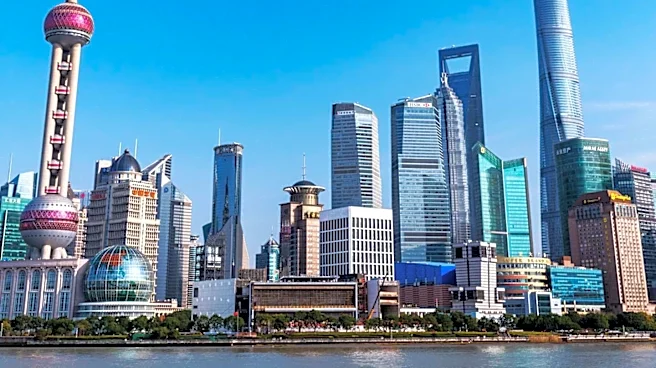
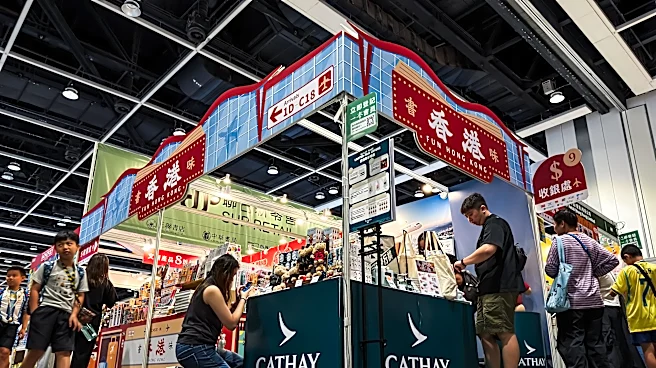
Over 400 Hong Kong businesses are participating in the China International Import Expo in Shanghai, marking a record high. These firms are utilizing the expo as a strategic platform to enter the mainland Chinese market and facilitate international expansion.
Among the first-time exhibitors is a Hong Kong accounting firm, which has observed a 30% increase in mainland clients seeking overseas expansion over the past year. Man Law, CEO of the firm's greater China division, highlighted that venturing abroad is now a practical necessity for risk management and growth. The expo provides an opportunity to showcase Hong Kong's role as a gateway for international growth, particularly through tax incentives like double taxation avoidance agreements. Another first-time exhibitor, a craft brewery, aims to penetrate the mainland market, confident in the strong consumer appetite for Hong Kong products. Academic institutions, such as the Hong Kong Polytechnic University (PolyU), are also present, showcasing innovation projects like robotics and food technology. PolyU's vice-president, Zheng Zijian, noted the university's benefit from the mainland's industrial chain and government support, emphasizing deep integration with the mainland's talent, science, technology, and education sectors.
Why It's Important?
This significant participation by Hong Kong firms in the Shanghai Import Expo underscores a strategic pivot towards deeper economic integration with mainland China, while simultaneously leveraging Hong Kong's unique position for global outreach. For U.S. businesses and investors, this trend indicates a potential shift in regional supply chains and market access strategies. Hong Kong's role as a 'springboard' for international growth, particularly through tax incentives, could influence how U.S. companies structure their operations for Asian market entry or expansion. The increased collaboration between Hong Kong and mainland entities, especially in technology and innovation, suggests a strengthening of China's domestic industrial capabilities, which could impact global competition in various sectors. The focus on AI and hardware-related stocks, as mentioned in broader market trends, highlights the growing importance of these technologies in the region's economic development. U.S. firms operating in or looking to enter the Chinese market will need to understand these evolving dynamics, including the potential for increased competition from integrated Hong Kong-mainland enterprises and the implications of government support measures in mainland China.
What's Next?
The continued participation and success of Hong Kong firms in events like the China International Import Expo will likely lead to further economic integration between Hong Kong and mainland China. This could result in more streamlined processes for Hong Kong businesses to access the vast mainland market and for mainland companies to utilize Hong Kong as a hub for international expansion. The emphasis on tax incentives and double taxation avoidance agreements suggests that Hong Kong will continue to promote its financial and legal frameworks to attract businesses looking for efficient cross-border operations. Academic collaborations, such as those by PolyU, are expected to foster innovation and technological advancements, potentially leading to new products and services that could compete globally. Future expos and trade events will likely see an even greater presence of Hong Kong firms, solidifying their role in China's economic landscape and potentially influencing global trade patterns. U.S. policymakers and businesses should monitor these developments to adapt their strategies for engagement with the Greater China region.
Beyond the Headlines
The record participation of Hong Kong firms in the Shanghai Import Expo reflects a broader strategic alignment with mainland China's economic objectives, particularly the 'dual circulation' strategy that emphasizes domestic demand while remaining open to international trade. This integration could subtly reshape Hong Kong's economic identity, moving it closer to a facilitator of mainland China's global ambitions rather than solely an independent international financial hub. The focus on tax incentives and legal frameworks highlights the ongoing competition among global financial centers to attract and retain businesses, with Hong Kong leveraging its unique agreements. Furthermore, the presence of academic institutions showcasing innovation underscores a concerted effort to build a robust, self-reliant technological ecosystem within China, potentially reducing reliance on Western technology. This long-term shift could have profound implications for global technology supply chains and intellectual property landscapes, prompting ethical and legal considerations regarding data governance and intellectual property protection for international businesses operating in the region.