




What's Happening?
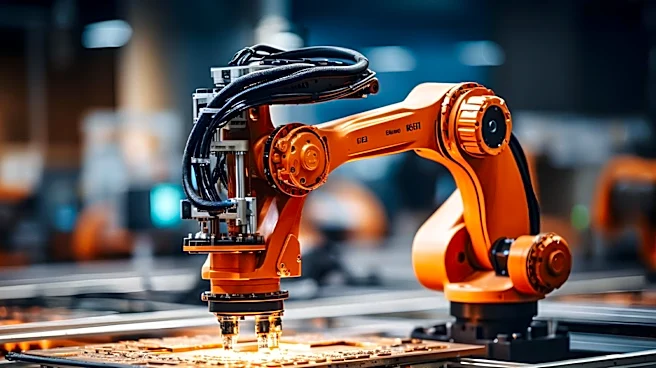
AI vision inspection systems are being implemented in manufacturing to mitigate five key production line risks: defects reaching customers, inconsistencies due to human fatigue, delayed problem discovery, lack of audit evidence, and inspection bottlenecks.
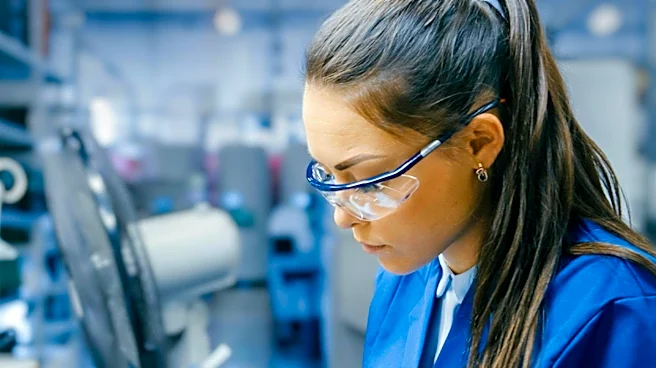
Manual inspection typically achieves an accuracy of 80-85%, leaving a significant margin for defects to slip through. Human inspectors' accuracy can degrade within 20-30 minutes of repetitive tasks, falling from a peak of 87% to around 70% after four hours. AI vision systems, conversely, apply consistent criteria to every part, with vendors reporting 95-99% detection rates for trained defect types. These systems can be placed at critical points in the production line, such as after welding or assembly, to identify issues early and prevent the accumulation of defective parts. Additionally, AI vision creates a digital record of each inspected part, including images, timestamps, and pass/fail decisions, which is crucial for audit trails and customer inquiries. While AI vision significantly reduces these risks, it does not eliminate them entirely, as factors like poor training data, new defect types, changing conditions, and over-reliance on the system can still pose challenges.
Why It's Important?
The integration of AI vision inspection in manufacturing holds significant importance for U.S. industries by enhancing product quality, reducing costs, and improving operational efficiency. The current rate of missed defects in manual inspection, estimated at 15-20%, translates to substantial hidden quality costs, which can be 3 to 5 times the visible scrap cost. For a $250 million manufacturer, this could mean $50 million in total quality costs, far exceeding the $5 million in tracked scrap and rework. By improving defect detection to 95-99%, AI vision can drastically cut these costs, leading to higher profitability and competitiveness for U.S. companies. Furthermore, by reducing inspection bottlenecks, AI vision allows for faster production line speeds, increasing output and meeting market demands more effectively. The ability to generate comprehensive audit trails also strengthens compliance and customer trust, which is vital in a globalized market. This technological advancement can help U.S. manufacturers maintain a leading edge by ensuring consistent product quality and optimizing resource allocation, ultimately benefiting consumers through more reliable products and potentially lower prices.
What's Next?
Manufacturers are advised to strategically implement AI vision inspection through pilot programs, focusing on specific defects that incur the highest costs. This involves baselining current escape rates, scrap, rework, and inspection times to measure the impact of the AI system. A recommended approach is to set two thresholds for the AI: auto-pass for parts above a high quality line, auto-fail for those below a low line, and routing intermediate cases to human review. Continuous logging of images, decisions, and model versions is crucial for monitoring performance and retraining the system as needed. As AI models only recognize defects they have been trained on, combining classifiers with anomaly detection and human oversight will be essential for identifying new defect types. Regular re-validation after process changes, such as alterations in lighting, tooling, or materials, will ensure the system's continued accuracy. The long-term trend suggests a shift towards more sophisticated AI-driven quality control, with human roles evolving to focus on managing and refining these advanced systems rather than performing repetitive inspection tasks.
Beyond the Headlines
Beyond the immediate benefits of defect reduction and cost savings, the widespread adoption of AI vision inspection in U.S. manufacturing signals a deeper transformation in the nature of industrial work and quality assurance. This technology addresses the ethical concern of human workers being subjected to monotonous and fatiguing tasks, which can lead to errors and potential health issues. By automating repetitive visual inspections, AI allows human employees to be reallocated to more complex, judgment-intensive roles, fostering a more engaging and safer work environment. This shift also highlights the growing importance of data integrity and retention policies, as manufacturers will need to establish clear rules for storing and managing the vast amounts of visual data generated by these systems. The legal implications of AI-driven quality control, particularly regarding liability for undetected defects, will also become more prominent, potentially leading to new regulatory frameworks. Culturally, it reinforces the ongoing integration of artificial intelligence into core industrial processes, pushing the boundaries of what is considered 'automated' and reshaping the skill sets required for the future manufacturing workforce.