





What's Happening?
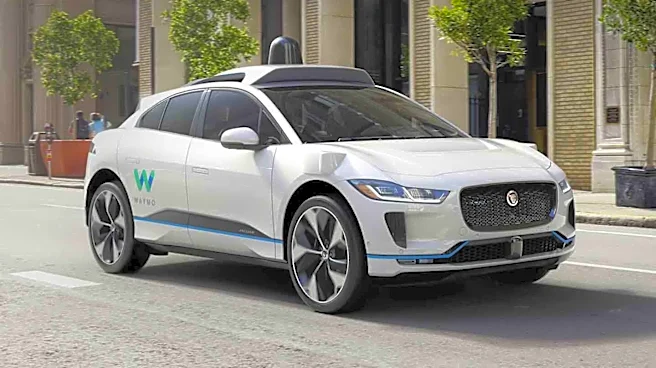
Waymo's autonomous electric taxis have been found to crash 68% less frequently than the average human driver, according to a study by the Insurance Institute for Highway Safety (IIHS). The study analyzed federal crash data from 2021 to 2024, focusing
on Waymo due to its extensive operations in the U.S. The data revealed that Waymo's vehicles not only crash less often but also tend to be involved in less severe accidents. The study covered Waymo's operations in cities like Phoenix, San Francisco, and Los Angeles, although results in Austin showed a slightly higher crash rate, possibly due to a smaller sample size. Despite the positive findings, the study noted several caveats, such as the need for more comprehensive data and the challenges of comparing autonomous vehicles to human drivers, who may be impaired or distracted.
Why It's Important?
The findings from the IIHS study are significant as they highlight the potential safety benefits of autonomous vehicles, which could lead to reduced accident rates and improved road safety. This is particularly relevant as cities and companies continue to explore autonomous technology as a solution to traffic congestion and road safety issues. The study's results could influence public policy and regulatory decisions regarding the deployment and operation of autonomous vehicles. Additionally, the data may encourage further investment and development in autonomous technology, potentially accelerating its adoption and integration into urban transportation systems.
What's Next?
As autonomous vehicle technology continues to evolve, further studies and data collection will be essential to validate and expand upon the current findings. Policymakers and industry stakeholders may use this data to advocate for broader deployment of autonomous vehicles, potentially leading to changes in transportation infrastructure and regulations. Companies like Waymo may also continue to refine their technology to address the identified limitations and improve safety further. Public perception and acceptance of autonomous vehicles will be crucial, and ongoing communication of safety benefits and advancements will likely play a role in shaping future adoption.
Beyond the Headlines
The study raises important questions about the ethical and societal implications of autonomous vehicles. As these vehicles become more prevalent, considerations around data privacy, cybersecurity, and the impact on employment in the transportation sector will need to be addressed. Additionally, the environmental impact of increased autonomous vehicle usage, particularly in terms of energy consumption and urban planning, will be an area of focus. The transition to autonomous vehicles also presents an opportunity to rethink urban mobility and accessibility, potentially leading to more inclusive and efficient transportation systems.