





What's Happening?
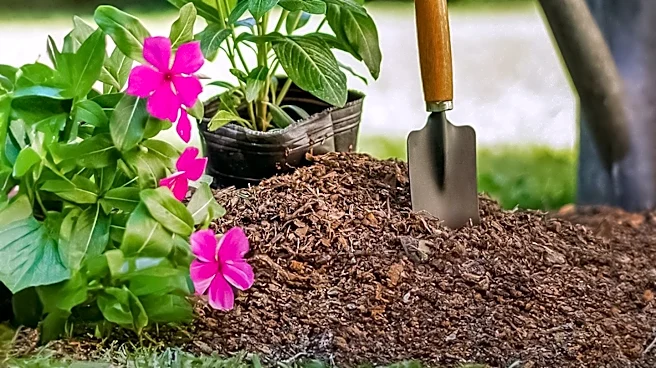
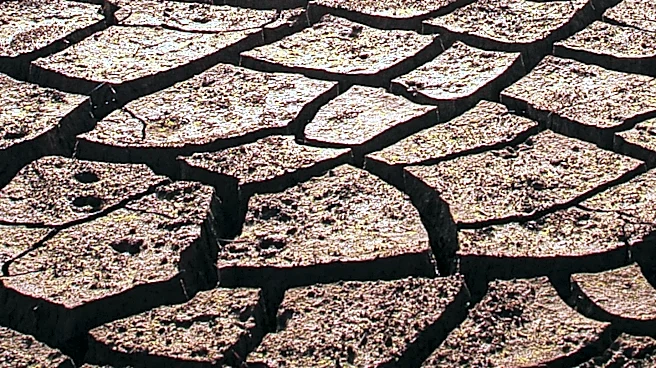
As summer transitions into fall, many regions across the U.S. continue to experience hot and dry weather conditions, leading to challenges for maintaining vibrant gardens. To combat wilting and crispy beds, gardeners are increasingly turning to drought-tolerant
plants. These plants, such as coneflower, stonecrop, Russian sage, blanket flower, yarrow, black-eyed Susan, and lavender, are naturally adapted to dry conditions. They possess features like deep taproots to access underground moisture, succulent leaves for water storage, or silvery foliage to reflect harsh light, enabling them to thrive with minimal rainfall. The practice of planting these resilient species in early fall is recommended, as warm soil temperatures provide an ideal environment for root establishment, ensuring a lush display that can withstand future dry spells.
Why It's Important?
The shift towards drought-tolerant gardening is significant for U.S. homeowners and the environment. With increasing concerns about water conservation and the unpredictability of weather patterns, adopting these plants reduces the need for extensive irrigation, thereby lowering water consumption and utility costs. This approach also promotes biodiversity by incorporating native species that support local pollinators like butterflies, goldfinches, and native bees. Furthermore, these low-maintenance plants can transform landscapes, offering continuous color and structure even in challenging conditions, which can enhance property values and contribute to more sustainable urban and suburban environments. The emphasis on soil health and proper drainage also encourages responsible land management practices.
What's Next?
Gardeners are encouraged to continue integrating drought-tolerant plants into their landscapes, particularly in areas prone to extended dry periods. The focus will likely remain on selecting species that are well-suited to local climates and soil conditions. Educational initiatives and nurseries may further promote the benefits and availability of these plants. As climate patterns evolve, the demand for resilient and water-wise gardening solutions is expected to grow, leading to more widespread adoption of these practices across the country. Continued research into new drought-resistant varieties and sustainable gardening techniques will also play a role in shaping future landscaping trends.
Beyond the Headlines
Beyond the immediate benefits of water conservation and aesthetic appeal, the embrace of drought-tolerant plants reflects a broader cultural shift towards environmental consciousness and sustainable living. This trend highlights a growing understanding of ecological principles, where gardening is viewed not just as a hobby but as a way to contribute positively to the local ecosystem. It challenges traditional gardening norms that often rely on high water usage and chemical interventions, promoting a more harmonious relationship with nature. This movement could also inspire a re-evaluation of public landscaping, encouraging municipalities and commercial entities to adopt similar practices, leading to more resilient and environmentally friendly public spaces.