


What's Happening?
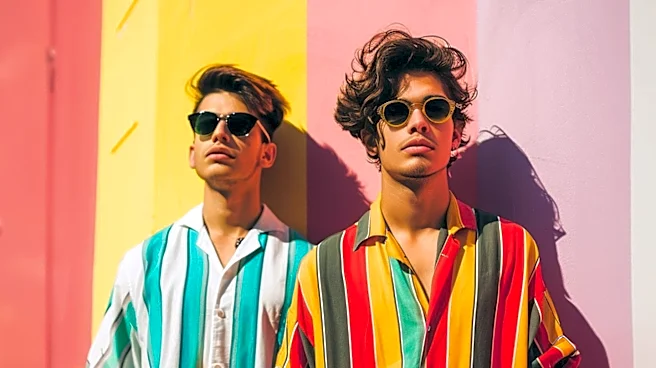
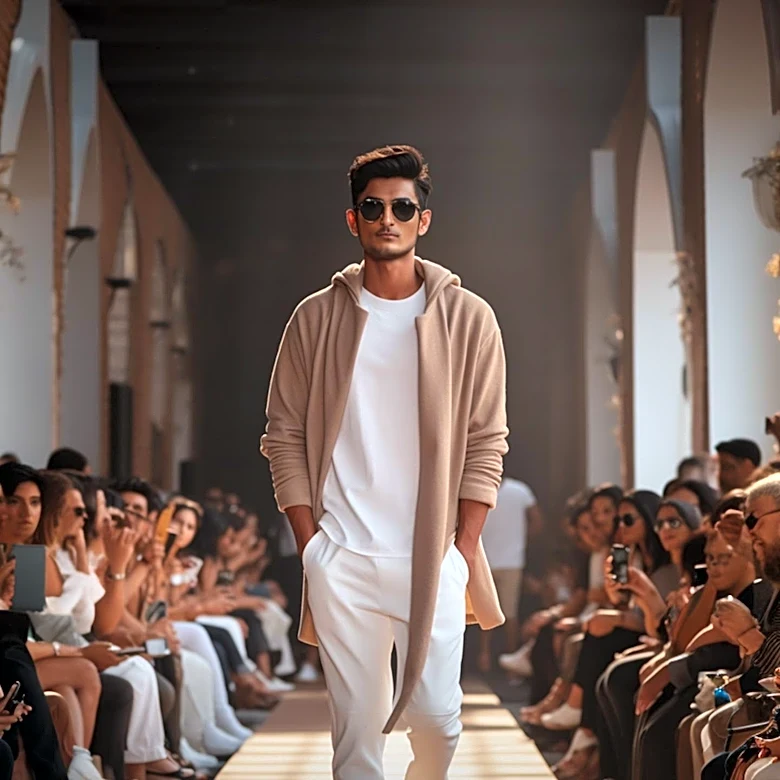
Gen Z Muslim men in the United States are actively redefining their fashion choices, integrating traditional Islamic attire with contemporary American styles. This trend reflects a broader movement among young Muslim men to express their individuality
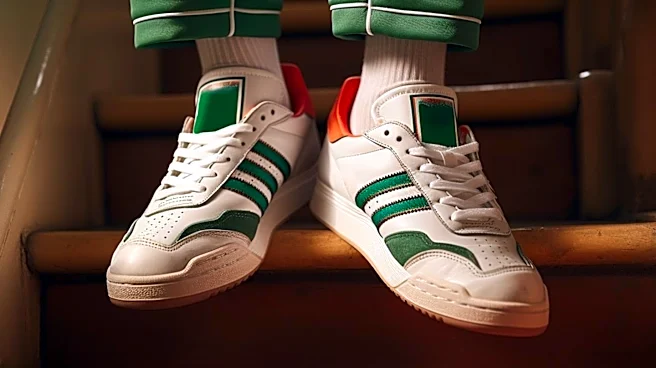
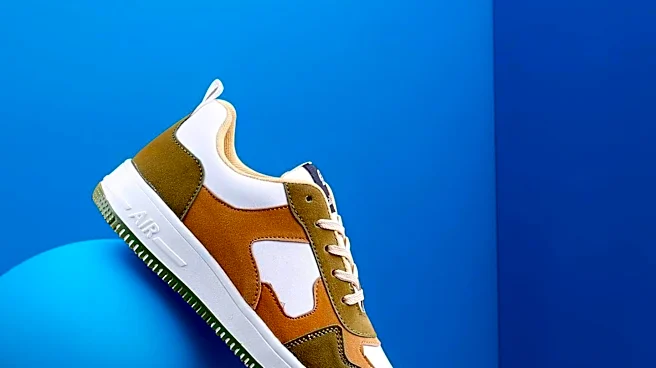
and faith while navigating modern American culture. They are seeking a balance between adhering to their cultural heritage and embracing current fashion trends, moving away from the notion that traditional clothing must be worn in isolation. This fusion often involves incorporating elements like thobes or kurtas with modern sneakers, denim, or streetwear, creating a unique aesthetic that speaks to their dual identity. The emphasis is on comfort, sophistication, and personal expression, allowing them to honor their roots while participating in mainstream fashion dialogues. This approach highlights a dynamic interplay between tradition and modernity, showcasing how cultural identity can be expressed through evolving sartorial choices.
Why It's Important?
This evolving fashion trend among Gen Z Muslim men in the U.S. is significant as it challenges conventional perceptions of religious and cultural attire. It demonstrates a growing desire among younger generations to personalize their faith and heritage, rather than adhering to rigid interpretations. This movement can foster greater understanding and acceptance of diverse cultural expressions within American society, as it visibly integrates elements of Islamic culture into the broader fashion landscape. For the fashion industry, it signals an emerging market segment with specific needs for modest yet stylish clothing that caters to this hybrid aesthetic. Designers and brands that recognize and cater to this demand could tap into a significant consumer base, promoting inclusivity and diversity in fashion. Furthermore, it empowers young Muslim men to confidently express their identity, potentially reducing feelings of marginalization and fostering a stronger sense of belonging.
What's Next?
The trend of blending traditional and contemporary fashion among Gen Z Muslim men is likely to continue evolving, driven by social media and increased representation. As more young Muslim men showcase their unique styles online, it will inspire others and further normalize this fusion. We can anticipate a rise in niche fashion brands and designers specializing in modest streetwear or contemporary Islamic fashion, catering specifically to this demographic. Mainstream fashion brands may also begin to incorporate elements inspired by traditional Islamic attire into their collections, recognizing the growing influence and purchasing power of this group. Additionally, there may be more discussions and initiatives within Muslim communities to support and celebrate these modern expressions of faith and identity through fashion, fostering a more inclusive and diverse understanding of Muslim masculinity in the U.S.
Beyond the Headlines
Beyond the immediate fashion implications, this trend reflects deeper societal shifts regarding identity, assimilation, and cultural preservation. It signifies a generation that is actively constructing its own narrative, refusing to choose between their religious heritage and their American identity. This sartorial fusion can be seen as a form of cultural negotiation, where individuals assert their multifaceted identities in a visible and creative manner. It also highlights the power of fashion as a tool for self-expression and social commentary, allowing young Muslim men to challenge stereotypes and promote a more nuanced understanding of their community. This movement contributes to the broader tapestry of American multiculturalism, demonstrating how diverse traditions can enrich and transform contemporary culture, fostering a more inclusive and representative society.