







What's Happening?
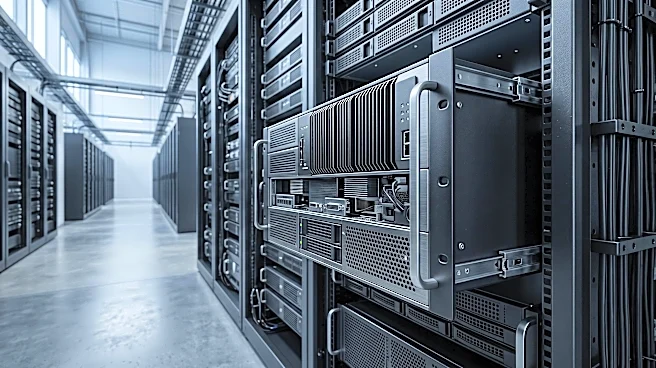
Enterprises are increasingly adopting colocation and hybrid IT environments to support their Artificial Intelligence (AI) workloads. This shift is driven by the growing demands of AI for high-density power, low-latency connectivity, secure and scalable
infrastructure, and cost predictability. A recent report indicates that nearly 70% of IT leaders favor colocation and hybrid environments for their AI deployments. Colocation data centers offer specialized infrastructure, including advanced cooling technologies like liquid cooling, to meet the intensive power requirements of AI. They also provide robust interconnection options and access to a broad digital ecosystem of enterprises, networks, clouds, and service providers. This strategic placement helps reduce latency for AI applications, which is crucial for real-time responses in use cases such as emergency services or fraud detection. The move away from on-premises AI deployments is significant, with a reported drop from 46% to 18% in one year, highlighting the growing reliance on specialized data center solutions.
Why It's Important?
The strategic placement of AI workloads in colocation data centers is critical for optimizing performance and efficiency across various U.S. industries. By leveraging colocation, businesses can ensure their AI applications, such as virtual assistants, credit card fraud detection, and medical imaging analysis, operate with minimal latency and maximum reliability. This directly impacts operational efficiency and the ability to deliver real-time services. For instance, in healthcare, faster AI processing can lead to quicker diagnoses, while in finance, it can enhance fraud detection capabilities. The shift also signifies a broader trend in IT infrastructure management, where organizations are seeking specialized environments that can handle the unique demands of AI, rather than relying solely on traditional on-premises setups or public clouds. This creates opportunities for data center providers and related technology partners, while also influencing how enterprises allocate their IT budgets and resources for AI initiatives.
What's Next?
As AI technology continues to evolve and become more integrated into business operations, the demand for specialized infrastructure like colocation data centers is expected to grow. Organizations will likely continue to refine their hybrid IT strategies, carefully evaluating where to place each AI workload to achieve optimal performance, security, and cost-effectiveness. This could lead to further innovation in data center technologies, particularly in areas like power efficiency, cooling solutions, and interconnection services. We may also see increased partnerships between colocation providers, cloud service providers, and AI technology developers to offer integrated solutions. Businesses will need to invest in skilled personnel, such as solution architects and engineers, to effectively design, implement, and manage these complex hybrid AI environments. The focus will remain on reducing complexity and accelerating data exchange to ensure AI applications are consistently available and performant.
Beyond the Headlines
The increasing reliance on colocation for AI workloads points to a fundamental shift in how enterprises view and manage their digital infrastructure. Beyond the immediate benefits of performance and scalability, this trend highlights the growing complexity of modern IT environments. It underscores the need for specialized expertise and infrastructure that can keep pace with rapid technological advancements. This also raises questions about data sovereignty and security, as AI workloads often involve sensitive data that needs to be managed across various environments. The environmental impact of energy-intensive AI operations is another long-term consideration, pushing data center providers to develop more sustainable and energy-efficient solutions. Ultimately, the strategic placement of AI workloads is not just a technical decision but a critical business imperative that will shape competitive landscapes and drive innovation across industries.