



What's Happening?
Dermatologists and medical professionals are increasingly recommending topical peptide serums as a safe and effective alternative to unapproved peptide injections for improving skin elasticity, smoothness, and firmness. While celebrities like Jennifer
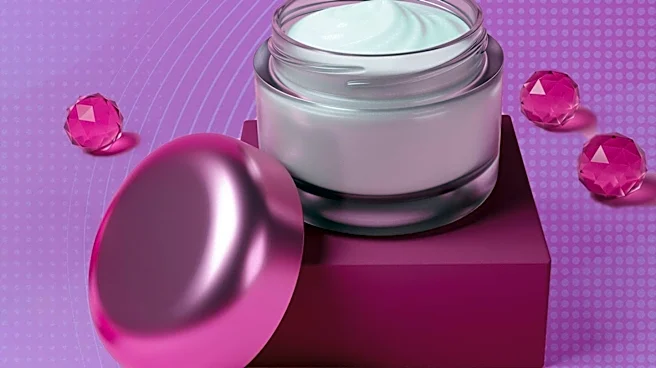
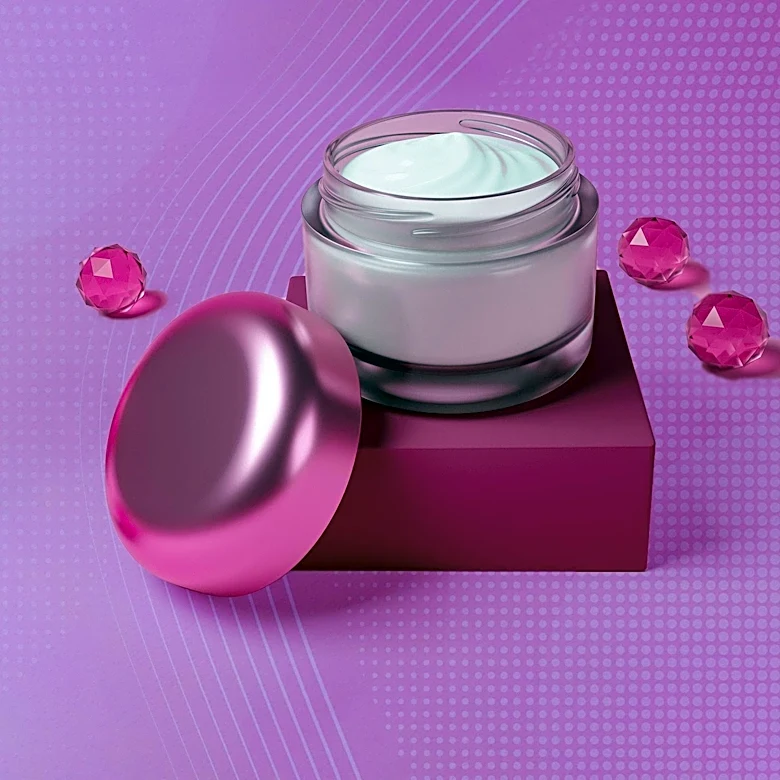
Aniston have popularized peptide injections, the U.S. Food and Drug Administration (FDA) and the American Medical Association (AMA) have expressed concerns regarding the lack of human safety trials for many of the anti-aging and regenerative peptide injections promoted on social media. Over 100 FDA-approved peptide-based drugs exist, including insulin, but many 'wellness peptides' for anti-aging are not among them. Board-certified dermatologist Dr. Amy Traub emphasizes that she does not inject anything not FDA-approved. Topical peptide products, however, are widely supported by dermatologists for their ability to soften fine lines, build collagen, and brighten skin over time, offering a 'Botox-like effect' without the risks associated with unapproved injections. Products like The Ordinary’s multi-peptide serums and specific anti-aging serums formulated with Matrixyl 3000 peptide complex are cited as effective and accessible options.
Why It's Important?
This development is significant for the U.S. skincare and beauty industry, as it highlights a growing divergence between celebrity-driven trends and evidence-based dermatological recommendations. The emphasis on FDA approval and human safety trials underscores the importance of regulatory oversight in the rapidly expanding market for anti-aging treatments. For consumers, this means a clearer, safer path to achieving desired skin improvements, moving away from potentially risky and unproven injectable methods towards accessible and dermatologist-backed topical solutions. The shift could lead to increased demand for well-researched and affordable peptide serums, benefiting companies that invest in scientific validation and transparent product development. Conversely, it poses a challenge to the 'grey market' of unapproved peptide injections, potentially leading to stricter enforcement and greater public awareness of associated health risks. This also reinforces the role of medical professionals in guiding public health decisions amidst social media influence.
What's Next?
The trend suggests a continued focus on research and development for topical peptide formulations, with companies likely to invest more in clinically proven ingredients and transparent marketing. Consumers can expect to see an increase in the availability and variety of expert-backed peptide serums at various price points. Regulatory bodies like the FDA may intensify their efforts to monitor and address the proliferation of unapproved injectable treatments, potentially issuing more warnings or taking enforcement actions. Educational campaigns from dermatological associations and healthcare providers are also likely to increase, aiming to inform the public about the benefits of topical peptides and the dangers of unverified injections. The long-term impact could be a more regulated and scientifically grounded approach to anti-aging skincare, prioritizing safety and efficacy over unproven fads.
Beyond the Headlines
Beyond the immediate skincare implications, this situation reflects a broader societal challenge: the influence of social media and celebrity endorsements on public health decisions. The rapid spread of information, often without scientific vetting, can lead individuals to pursue treatments that lack safety data. This highlights the ethical responsibility of influencers and the need for critical media literacy among consumers. Furthermore, it underscores the ongoing tension between the desire for quick, dramatic results and the slower, more consistent benefits offered by scientifically validated methods. The discussion around peptides also touches on the evolving understanding of skin biology and the potential of biomimetic ingredients to stimulate natural cellular processes, moving towards more sophisticated and targeted skincare solutions that work in harmony with the body's own mechanisms.