


What's Happening?
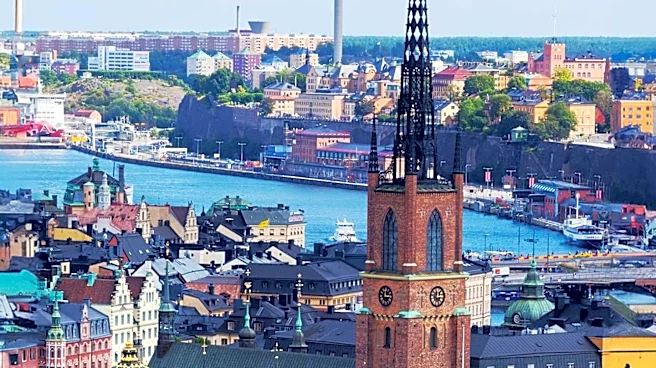
Stockholm experienced a record-breaking summer for tourism, with 3.6 million overnight stays registered during June and July. This represents an 8 percent increase compared to the previous summer, marking the highest level ever recorded for the city.
Daniella Waldfogel, CEO of the Stockholm Chamber of Commerce, stated that this trend clearly indicates Stockholm's growing strength as a tourist destination. The city saw 1.5 million hotel rooms rented out during this period, and the average price for a room increased by 12 percent, reaching 1,645 Swedish Kronor. A significant portion of these visitors, approximately one-third of all overnight stays, came from outside the Nordic countries.
Why It's Important?
The surge in tourism in Stockholm has significant economic implications for the city and potentially for the broader European travel industry. The substantial increase in overnight stays and hotel room rentals directly boosts the local economy through increased revenue for hotels, restaurants, and other service providers. The 12 percent rise in average hotel room prices suggests strong demand, allowing businesses to command higher rates and improve profitability. The fact that a third of visitors are from outside the Nordic region highlights Stockholm's growing international appeal, diversifying its tourism market and making it less reliant on regional travel. This trend could encourage further investment in tourism infrastructure and services, creating more jobs and fostering economic growth in the sector. For the U.S. travel market, this could indicate a broader trend of increased international travel, potentially impacting outbound tourism from the U.S. to European destinations.
What's Next?
Following this record-breaking summer, Stockholm is likely to continue its efforts to attract tourists, potentially through targeted marketing campaigns and further development of its tourism infrastructure. The Stockholm Chamber of Commerce's statement about the city becoming an 'increasingly strong visitor city' suggests a proactive approach to sustaining this growth. Businesses in the hospitality sector may look to expand their offerings or capacity to meet the rising demand. The continued influx of international visitors could also lead to discussions about managing tourist flow and ensuring sustainable tourism practices to preserve the city's appeal. Future reports will likely monitor whether this growth trend continues into the autumn and winter seasons, and how it impacts other sectors of the local economy.
Beyond the Headlines
The record tourism numbers in Stockholm reflect a broader post-pandemic recovery in global travel, indicating a strong desire among people to explore new destinations. This trend also highlights the evolving dynamics of urban tourism, where cities like Stockholm are successfully positioning themselves as attractive cultural and leisure hubs. The increase in hotel prices, while beneficial for businesses, could also spark conversations about affordability and accessibility for different segments of travelers. Furthermore, the significant proportion of non-Nordic visitors underscores the importance of international connectivity and cultural exchange in driving economic activity. This success could serve as a model for other cities looking to revitalize their tourism sectors, emphasizing the value of strategic promotion and robust infrastructure in attracting a diverse range of visitors.