





What's Happening?
The influencer marketing industry is undergoing a significant evolution, moving away from simple product promotion towards more integrated storytelling. Brands are still investing in creators, but the standards for engagement and authenticity are becoming
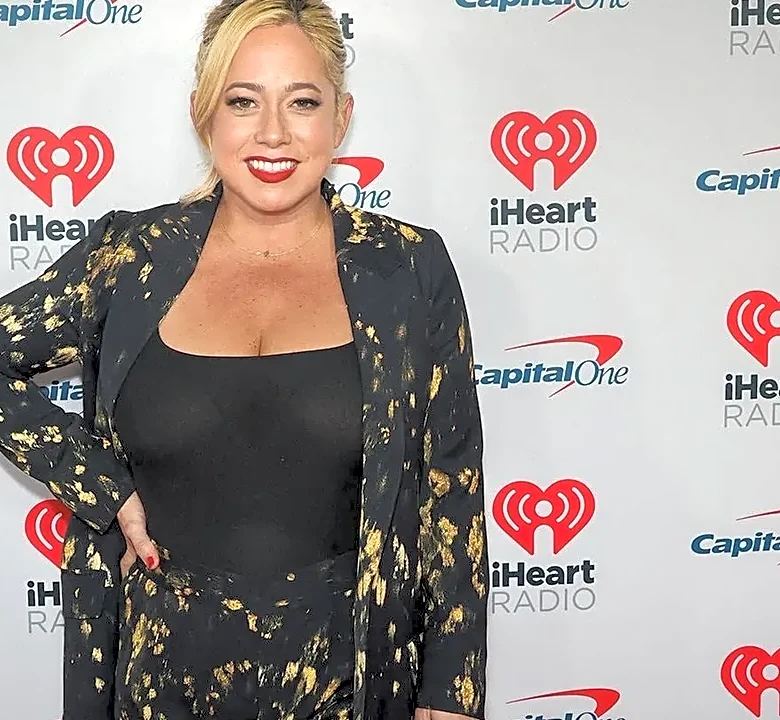
more rigorous. Influencers are now encouraged to weave products into their personal narratives, building a story around their experiences before explicitly promoting an item. This approach aims to capture and maintain audience attention, as viewers are increasingly adept at identifying and skipping traditional advertisements. Content creators like Mercy The Influencer advocate for this 'storytelling marketing' as a way to keep audiences engaged. Furthermore, there's a growing emphasis on influencers diversifying their revenue beyond sponsored posts, urging them to 'productise' themselves by developing their own intellectual property, communities, and businesses. This shift reflects a market where influence is becoming more accessible, making a large follower count a less exclusive advantage than it once was.
Why It's Important?
This evolution in influencer marketing has significant implications for U.S. businesses and the broader digital economy. For brands, it means a need to adapt their marketing strategies to demand more authentic and narrative-driven content, moving beyond transactional product placements. This could lead to more creative and engaging campaigns, but also requires a deeper understanding of an influencer's personal brand and audience. For influencers, the pressure to diversify income streams highlights a maturing industry where relying solely on sponsored content may no longer be sustainable. Those who successfully build their own products or services will gain greater financial stability and control over their careers. The increased scrutiny on authenticity also means that brands and influencers alike must prioritize genuine connection with audiences, potentially fostering a more trustworthy digital advertising landscape. This shift could also impact how marketing budgets are allocated, with a greater focus on measurable results and long-term brand building rather than short-term reach.
What's Next?
In the immediate future, brands will likely continue to refine their influencer collaboration strategies, seeking creators who can genuinely integrate products into compelling narratives. This will involve more detailed briefs and potentially longer-term partnerships that allow for deeper storytelling. Influencers, in turn, will need to invest more in content quality and creative integration to meet these evolving brand expectations. We can also anticipate a rise in influencers launching their own direct-to-consumer products, online courses, or exclusive communities, leveraging their established audience trust. The industry may see new platforms or tools emerge that facilitate storytelling marketing and help influencers manage diversified income streams. Additionally, as audiences become more discerning, there could be increased demand for transparency regarding sponsored content, pushing both brands and influencers to be clearer about their commercial relationships while maintaining authenticity.
Beyond the Headlines
The shift towards storytelling marketing and diversified income streams in the influencer industry reflects a broader cultural trend: the increasing value placed on authenticity and narrative in a saturated digital world. This evolution challenges the traditional advertising model, suggesting that consumers are more receptive to content that feels organic and personal rather than overtly promotional. Ethically, this pushes influencers to maintain a delicate balance between commercial interests and genuine connection with their audience, potentially leading to a more responsible and transparent creator economy. Legally, as influencers become entrepreneurs, there may be new considerations around intellectual property, business formation, and consumer protection for their own products. Culturally, this trend underscores the power of individual voices and personal brands in shaping consumer behavior, moving beyond celebrity endorsements to a more relatable and community-driven form of influence.