




What's Happening?
Georgia-Pacific is actively recruiting for a Maintenance Technician at its Plywood facility located in Gurdon, Arkansas. This position is described as an experienced skilled craft role, crucial for maintaining maximum facility uptime to meet production
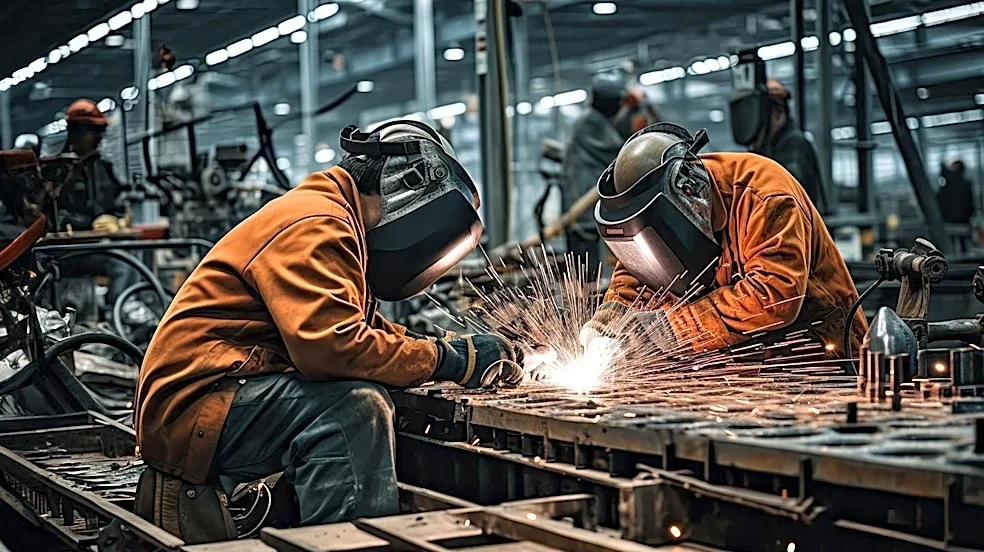
goals. The ideal candidate is a self-motivated professional with a working knowledge of mechanical and electrical troubleshooting, and a solid foundation in maintaining manufacturing equipment. Responsibilities include troubleshooting, installing, aligning, dismantling, repairing, and maintaining industrial machinery and mechanical equipment to improve reliability and uptime. The role involves working with various components such as motors, pneumatic and hydraulic systems, conveyor systems, and production line equipment. Candidates must be able to read diagrams, sketches, operation manuals, and manufacturer’s specifications, and use hand tools, power tools, precision-measuring devices, and testing instruments. The position also requires the ability to use a cutting torch and weld with an arc welder, troubleshoot issues with bearings, chains, sprockets, gearboxes, and conveyors, and adhere to all plant safety and environmental guidelines.
Why It's Important?
The hiring of a Maintenance Technician at Georgia-Pacific's Gurdon Plywood facility is vital for ensuring the continuous and efficient operation of its manufacturing processes. In the plywood industry, equipment reliability is paramount to meeting production targets and maintaining product quality. A skilled maintenance team directly impacts operational efficiency, reduces downtime, and extends the lifespan of critical machinery. This role contributes significantly to the economic stability of the Gurdon community by providing employment and supporting the local industrial base. Furthermore, the emphasis on safety and environmental guidelines underscores the company's commitment to responsible manufacturing practices, which is increasingly important for corporate reputation and regulatory compliance in the U.S. industrial sector. The ability to troubleshoot complex mechanical and electrical systems is a highly valued skill, reflecting the growing technical demands within modern manufacturing environments.
What's Next?
Georgia-Pacific will proceed with the recruitment process to identify and hire a qualified Maintenance Technician for its Gurdon Plywood facility. The selected individual will undergo an onboarding process to integrate into the existing maintenance team and familiarize themselves with the facility's specific equipment and operational protocols. The technician will be expected to immediately contribute to the facility's uptime and reliability by performing scheduled maintenance, responding to breakdowns, and implementing preventative measures. Continuous training and development in new technologies and maintenance techniques may also be part of the role, ensuring the facility remains at the forefront of operational efficiency. Adherence to safety protocols and environmental regulations will be a constant priority, with regular audits and training sessions to reinforce best practices.
Beyond the Headlines
The demand for skilled Maintenance Technicians, as evidenced by Georgia-Pacific's hiring, highlights a broader trend in the U.S. manufacturing sector: the critical need for a technically proficient workforce. As industrial processes become more automated and complex, the role of maintenance personnel evolves from simple repairs to sophisticated troubleshooting and predictive maintenance. This shift necessitates continuous investment in training and education for the workforce. The Gurdon Plywood facility's need for such a role also underscores the foundational importance of the timber and wood products industry to the U.S. economy, particularly in regions like Arkansas. The reliability of these facilities directly impacts the supply chain for construction and other sectors. Moreover, the emphasis on safety and environmental compliance reflects a growing industry-wide commitment to sustainable operations and worker well-being, moving beyond mere regulatory adherence to a more proactive approach to corporate responsibility.