





What's Happening?
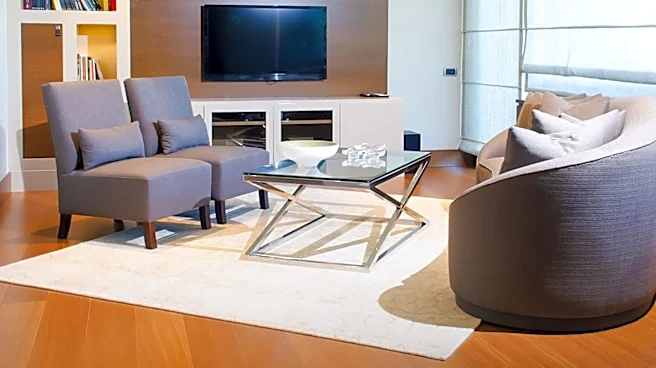
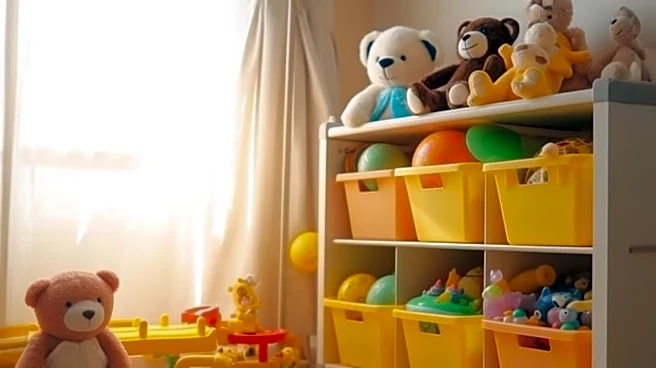
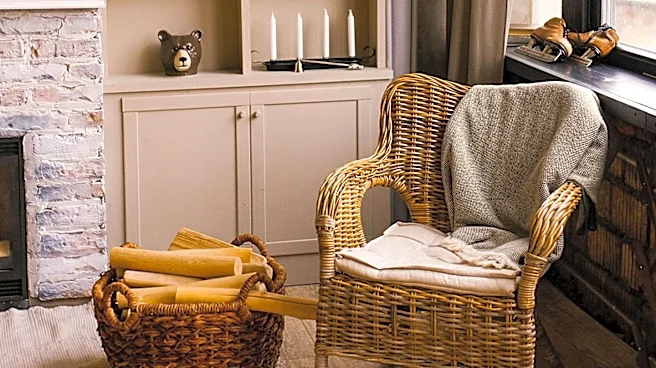
To effectively maximize space in small living areas, several strategies can be employed, focusing on multifunctional furniture, efficient storage, and thoughtful design. Storage benches are highlighted as a practical solution, offering both seating and concealed
storage for various household items like shoes, blankets, and books. Flexible furniture, such as sofa beds, foldable dining tables, and storage ottomans, allows a single room to serve multiple purposes, adapting to different activities throughout the day. Utilizing vertical space through wall-mounted shelves, tall cabinets, and hanging organizers is crucial when floor space is limited. Additionally, choosing light and neutral colors, along with strategic lighting and mirrors, can make rooms appear larger and more open. Outdoor areas like patios and balconies can also be integrated as extensions of the living space, providing additional room for relaxation and storage with weather-resistant furniture. The overall approach emphasizes planning and selecting furniture that serves a clear purpose to avoid overcrowding.
Why It's Important?
The trend towards maximizing small living spaces reflects a broader shift in lifestyle preferences, particularly in urban areas where space is at a premium. This approach is important for individuals seeking simplicity, flexibility, and efficient use of resources, aligning with the growing popularity of tiny homes and compact living arrangements. By optimizing small spaces, residents can achieve a comfortable and functional environment without the need for larger, more expensive properties. This has implications for the housing market, promoting more sustainable and accessible living options. For consumers, understanding these strategies can lead to more informed purchasing decisions for furniture and home organization solutions. For businesses in the home goods and interior design sectors, there's a growing demand for innovative, space-saving products and design services tailored to compact living, driving product development and market trends.
What's Next?
As the demand for efficient small-space living continues, future trends will likely focus on further integration of smart home technology with multifunctional furniture. Expect to see more modular and customizable furniture systems that can adapt to evolving needs and room configurations. Innovations in materials and design will aim to create lighter, more durable, and aesthetically pleasing space-saving solutions. The market for professional organizers and interior designers specializing in small spaces is also likely to expand, offering tailored services to help individuals optimize their compact homes. Furthermore, urban planning and architectural design may increasingly incorporate principles of compact living, influencing the development of new residential units that prioritize functionality and efficient space utilization from the outset. Educational resources and DIY guides on small-space organization will also continue to grow, empowering more people to transform their living environments.
Beyond the Headlines
Beyond the immediate practical benefits, the emphasis on maximizing small living spaces touches upon deeper societal and cultural shifts. It challenges traditional notions of home size and ownership, promoting a more minimalist and conscious consumption lifestyle. This movement can contribute to reduced environmental footprints, as smaller homes typically require less energy for heating and cooling and encourage less accumulation of material possessions. Ethically, it raises questions about accessibility and affordability in housing, offering potential solutions for urban density and housing crises. Culturally, it fosters creativity and ingenuity in design, as individuals and designers find innovative ways to create comfortable and aesthetically pleasing environments within limited square footage. This shift also encourages a re-evaluation of what truly constitutes a 'home' and how personal well-being can be achieved through thoughtful design and organization, rather than sheer size.