



What's Happening?
David Tepper's Appaloosa Management significantly adjusted its portfolio during the third quarter, focusing on memory chip manufacturers and a substantial increase in its SpaceX holdings. According to a regulatory filing released Monday, the hedge fund
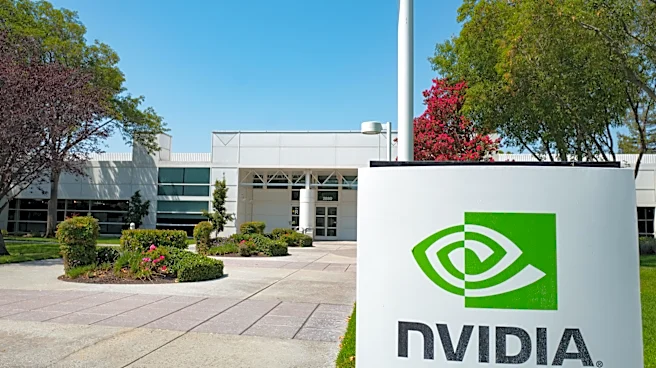
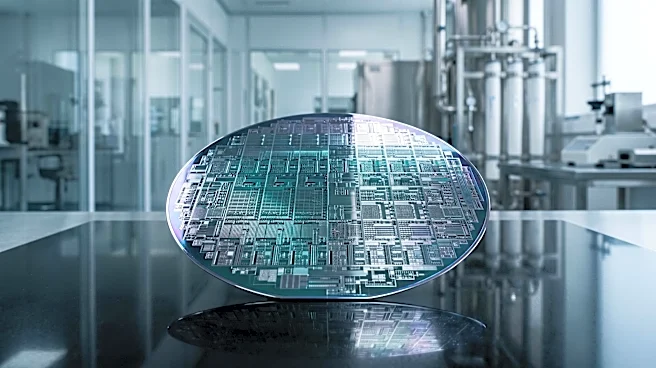
raised its stake in Micron by 28%, making it the largest holding in the fund. Nvidia saw a 31% increase in shares. The most notable move was a 1,626% increase in SpaceX shares, bringing the total to approximately 3.88 million shares valued at around $557 million, positioning it among the fund's top five equity holdings. Appaloosa also initiated new positions in Oracle, valued at about $172 million, and Applied Materials, worth approximately $115 million. Conversely, the fund completely exited its positions in AMD and Broadcom and reduced its Alphabet stake by 46%. These adjustments occurred as Nvidia shares were trading about 34% below their October peak and Micron had fallen roughly 40% from its late-June high.
Why It's Important?
Appaloosa Management's investment strategy, particularly its increased exposure to memory chip companies like Micron and Nvidia, signals a potential long-term bullish outlook on the AI sector despite recent market downturns in these specific stocks. By investing in what some might consider the 'hardest-hit corners' of the AI trade, David Tepper is demonstrating a contrarian approach, suggesting he sees value in these companies at their current valuations. The substantial increase in SpaceX holdings also highlights a growing institutional interest in the private space exploration sector, indicating confidence in its future growth and profitability. The divestment from AMD and Broadcom, alongside the reduction in Alphabet, suggests a reallocation of capital towards specific segments of the technology market that Appaloosa believes are undervalued or poised for stronger future performance, potentially influencing other institutional investors' strategies.
What's Next?
The implications of Appaloosa's portfolio adjustments could manifest in several ways. Other hedge funds and institutional investors may scrutinize these moves, potentially leading to similar shifts in their own portfolios if Tepper's strategy proves successful. The increased investment in Micron and Nvidia could provide a vote of confidence for these companies, potentially stabilizing or boosting their stock prices in the near term, especially if the broader AI market recovers. For SpaceX, this significant investment from a major hedge fund could further validate its valuation and future prospects, potentially attracting more private and institutional capital. The performance of these newly emphasized holdings in the coming quarters will be closely watched as a barometer for the effectiveness of Appaloosa's contrarian investment thesis in the evolving AI and technology landscape.
Beyond the Headlines
Appaloosa's aggressive move into memory chips and SpaceX reflects a broader investment philosophy that often seeks value in distressed or underappreciated assets. This strategy, particularly in the AI sector, suggests a belief that the current market corrections in certain AI-related stocks are temporary and do not reflect their long-term growth potential. The substantial investment in SpaceX, a private company, also underscores a trend among large funds to seek high-growth opportunities outside traditional public markets, indicating a shift in how significant capital is being deployed. This could signal a future where private companies, especially in high-tech sectors like space exploration, attract even more substantial institutional investment, potentially altering traditional IPO timelines and capital-raising strategies for such ventures. The ethical implications of such large-scale investments in rapidly evolving technologies also warrant consideration, as they can significantly influence market directions and technological development.