



What's Happening?
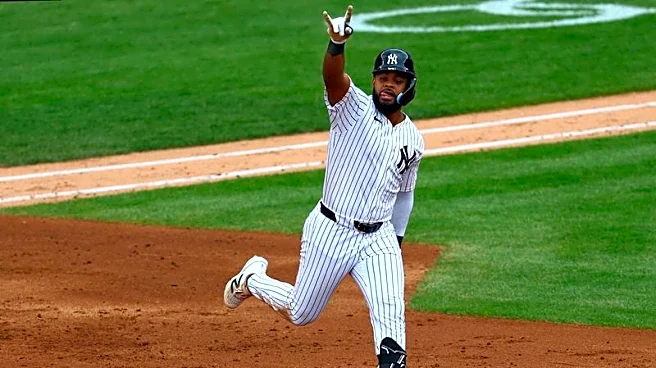
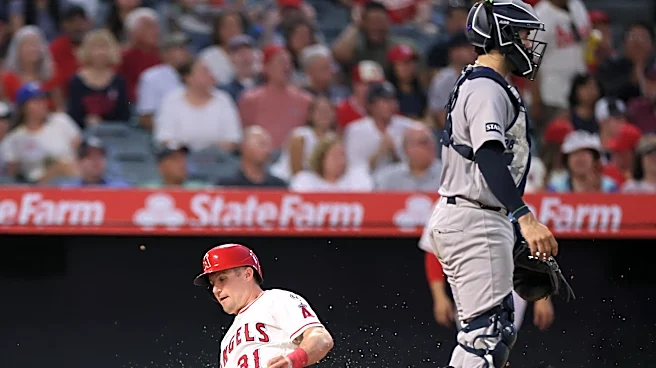
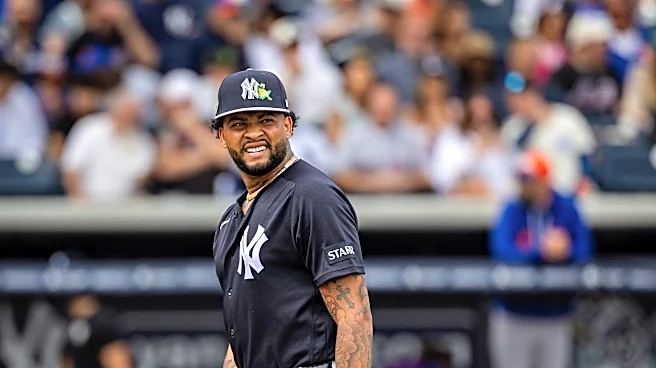
During a recent game between the New York Yankees and the Boston Red Sox, Red Sox radio play-by-play commentator Will Flemming made controversial remarks regarding Yankees player Jazz Chisholm Jr. Flemming expressed anger when Chisholm Jr. stole two bases
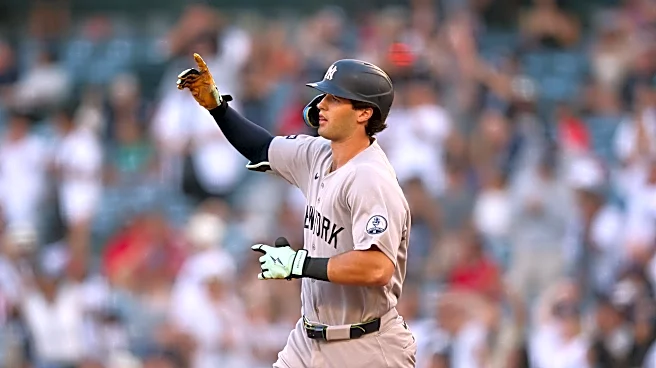
in the eighth inning, with the Yankees leading 7-1. He initially suggested that Boston's pitcher should intentionally hit Austin Wells, who was at the plate, and later directed his frustration at Chisholm Jr., calling him a 'bush league player' who 'didn’t play the game the right way' for stealing bases. Yankees manager Aaron Boone later clarified that he had instructed Chisholm Jr. to steal, aiming to avoid using closer David Bednar in that game. Boone also revealed that Flemming had reached out to apologize for his comments, though the apology was not extended directly to Chisholm Jr. Chisholm Jr. stated he was unaware of Flemming until informed about the incident and was not concerned about an apology.
Why It's Important?
This incident highlights the intense rivalry between the Yankees and Red Sox, occasionally leading to heated exchanges even from broadcast booths. Flemming's comments, particularly labeling a player as 'bush league' for a strategic play like base stealing, can be seen as unprofessional and potentially damaging to the sport's image. Such remarks can fuel unnecessary animosity between teams and players, detracting from the competitive spirit of the game. The manager's defense of his player and the subsequent apology from the announcer underscore the sensitivity surrounding on-field conduct and the interpretation of 'unwritten rules' in baseball. It also brings into question the role of broadcasters in maintaining impartiality and professionalism, even amidst intense rivalries.
What's Next?
While Flemming has issued an apology to Yankees manager Aaron Boone, it remains to be seen if any further public statement or direct apology to Jazz Chisholm Jr. will be made. The incident may lead to increased scrutiny of broadcast commentary in future games, particularly during high-stakes rivalry matchups. Teams and leagues might subtly reinforce guidelines for broadcasters to maintain a professional demeanor, even when emotions run high. For Jazz Chisholm Jr., the incident appears to be a non-issue, as he has publicly stated his indifference. However, it could potentially add another layer to the Yankees-Red Sox rivalry, with fans and players on both sides likely to remember the exchange in future encounters.
Beyond the Headlines
This event touches upon the evolving dynamics of sportsmanship and the 'unwritten rules' of baseball. While some traditionalists might view stealing bases in a lopsided game as disrespectful, modern baseball strategy often prioritizes any opportunity to gain an advantage, regardless of the score. The incident also underscores the power and influence of media personalities in shaping public perception of players and the game itself. Broadcasters, as public figures, have a responsibility to uphold certain standards, and their words can have significant repercussions. This situation could spark broader discussions within sports media about the balance between passionate commentary and maintaining professional integrity, especially when critiquing player actions on air.