






What's Happening?
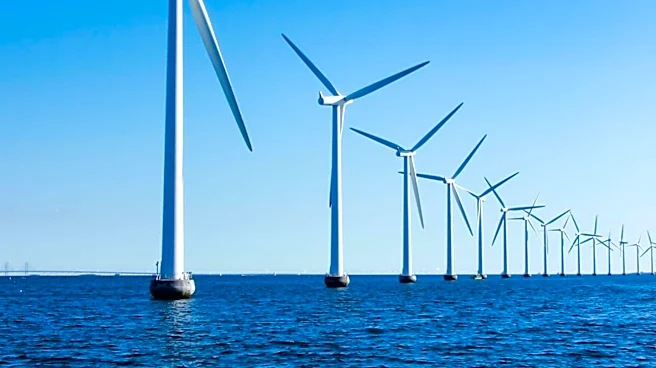
Governor Maura Healey of Massachusetts, alongside the Mass Clean Energy Center (MassCEC), has announced a significant investment of $4.2 million. This funding is allocated to 20 projects aimed at bolstering the offshore wind and maritime sectors. The
initiative focuses on preparing workers for careers in these industries and supporting critical research related to fisheries, wildlife, and the marine environment. The funding is distributed through two MassCEC programs: $1.7 million via the Offshore Wind Works program and $2.4 million through the Offshore Wind Science, Research and Analysis program. Governor Healey emphasized that offshore wind represents substantial economic opportunity for Massachusetts, promising good jobs and clean energy. The investment is designed to build the necessary workforce and gather research to ensure responsible development while protecting marine ecosystems. Since its inception in 2018, the Offshore Wind Works program has awarded $22 million to 35 grantees, leveraging over $11 million in additional cost-sharing.
Why It's Important?
This investment is crucial for Massachusetts's economic and environmental future, positioning the state as a leader in the burgeoning offshore wind industry. By funding workforce development, the state is creating new job opportunities and ensuring a skilled labor force capable of supporting the complex demands of offshore wind projects. These skills are also transferable to other clean energy, maritime, and construction sectors, enhancing overall workforce resilience. The research component is equally vital, as it addresses potential environmental impacts on fisheries, wildlife, and marine habitats. This balanced approach aims to foster sustainable growth, mitigating concerns from environmental groups and local communities. The initiative also strengthens the collaboration between Massachusetts-based businesses and research institutions, fostering innovation and providing valuable hands-on experience for early-career researchers through paid internships. This strategic investment could serve as a model for other states looking to expand their renewable energy infrastructure responsibly.
What's Next?
The 20 projects receiving funding will now commence their work, focusing on workforce training, equipment and infrastructure development, career exploration, and scientific research. The Offshore Wind Works program will continue to build a skilled workforce for planning, deploying, operating, maintaining, and manufacturing components for offshore wind projects. The Offshore Wind Science, Research and Analysis program will advance research across five key areas: Fisheries, Habitat & Wildlife, Regional Transmission Planning, Regional Monitoring, and Science Communication. These efforts are expected to leverage an estimated $892,241 in additional cost-sharing and in-kind contributions from grantees and their partners. The ongoing success of these programs will likely influence future state investments in renewable energy and workforce development, potentially leading to further expansion of offshore wind capabilities in Massachusetts and the broader New England region.
Beyond the Headlines
Beyond the immediate economic and environmental benefits, this initiative highlights a broader shift towards a green economy and the strategic importance of public-private partnerships in achieving large-scale infrastructure goals. The focus on both job creation and ecological protection reflects a growing understanding that economic development and environmental stewardship are not mutually exclusive but rather interdependent. This approach could help bridge divides between industry and conservation groups, fostering a more collaborative environment for future projects. Furthermore, the emphasis on local research institutions and internships underscores a commitment to nurturing homegrown talent and expertise, ensuring that the benefits of this industry are deeply rooted within the state. This long-term vision for sustainable energy and economic growth could set a precedent for how states approach complex industrial transitions in the face of climate change.