





What's Happening?
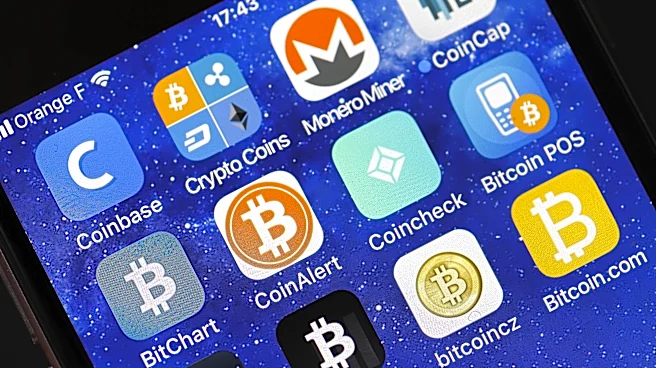
In 2026, a range of cryptocurrency wallets are recognized for their distinct features and suitability for various user needs, including Trust Wallet, MetaMask, Phantom, Rabby, Kraken Wallet, Ledger Flex, Trezor Safe 7, and Tangem. These wallets, which
can be software or hardware-based, enable users to manage cryptocurrencies by providing access to cryptographic keys. While digital assets are stored on their respective blockchains, wallets facilitate transaction confirmation using public addresses and private keys. Software wallets, such as mobile apps or browser extensions, offer convenience for daily transactions but depend on device security. Hardware wallets, like Ledger Flex and Trezor Safe 7, provide enhanced security by isolating private keys from internet-connected environments, making them ideal for long-term storage. The choice of wallet depends on factors like the specific cryptocurrency, transaction frequency, and desired security level, with network fees and potential exchange fees being common costs associated with transactions.
Why It's Important?
The diversity and specialization of crypto wallets in 2026 are crucial for the continued growth and security of the U.S. digital asset market. As cryptocurrency adoption expands, the availability of wallets tailored for different uses—from daily trading to long-term secure storage—helps address the varied needs of investors and users. The emphasis on security features, particularly in hardware wallets, is vital for protecting assets from cyber threats and user errors, which in turn builds confidence in the broader crypto ecosystem. For U.S. businesses and individuals engaging with digital currencies, understanding the distinctions between custodial and non-custodial wallets, and the associated risks and benefits, is paramount for safeguarding investments and ensuring smooth transactions. This evolution in wallet technology supports both the accessibility and the robustness of the digital economy.
What's Next?
Users are advised to carefully consider several factors when choosing a crypto wallet, including key control, backup mechanisms, supported networks, transaction security, and developer support. It is recommended to verify the authenticity of applications, securely save recovery data (such as seed phrases), and perform test transactions before committing significant funds. The ongoing development of wallet technologies is expected to continue, with potential advancements in user interfaces, multi-chain support, and integration with decentralized finance (DeFi) applications. As the crypto market matures, there will likely be increased focus on user-friendly security features and educational resources to help users navigate the complexities of digital asset management safely. The distinction between exchange accounts and non-custodial wallets will remain a critical consideration for users balancing convenience with self-sovereignty over their assets.
Beyond the Headlines
The evolution of crypto wallets reflects a broader trend towards greater user control and responsibility in the digital financial landscape. Unlike traditional banking, where institutions manage funds, non-custodial wallets place the onus of security directly on the user. This shift has profound implications for financial literacy and personal accountability, requiring users to understand cryptographic principles and best practices for data protection. The continuous innovation in wallet design, from compact NFC cards to advanced hardware devices, also highlights the industry's efforts to make digital assets more accessible and secure for a wider audience. However, this empowerment comes with the inherent risk of irreversible losses due to user error or negligence, underscoring the need for ongoing education and robust personal security habits in the decentralized financial world.