









What's Happening?
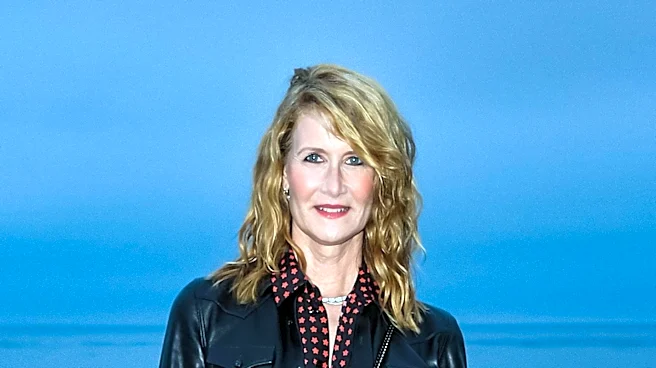
Laura Dern, an acclaimed actress, is channeling her personal experience as a caregiver for her late mother, Diane Ladd, into a mission to empower women to advocate for their own health. Diane Ladd, who passed away at 89, battled idiopathic pulmonary fibrosis
(IPF), a progressive lung disease, for several years. Despite being misdiagnosed with various respiratory conditions, Ladd fought for empathetic and thorough medical care, a struggle that deeply impacted Dern. Inspired by her mother's resilience, Dern is now partnering with the pharmaceutical company Boehringer Ingelheim on the 'Beyond the Scars' campaign. This initiative aims to encourage individuals to seek the medical care they deserve, emphasizing the importance of second opinions and patient advocacy.
Why It's Important?
This initiative is significant as it highlights the often overlooked issue of patient advocacy in healthcare, particularly for women. Dern's efforts underscore the need for patients to actively participate in their healthcare decisions and challenge inadequate medical assessments. The campaign could potentially lead to increased awareness and better healthcare outcomes for women, who may face systemic biases in medical treatment. By sharing her personal story, Dern is not only honoring her mother's legacy but also inspiring others to demand comprehensive and empathetic healthcare. This movement could influence healthcare policies and practices, encouraging a more patient-centered approach in the medical community.
What's Next?
Laura Dern's collaboration with Boehringer Ingelheim is expected to continue raising awareness about the importance of patient advocacy. The 'Beyond the Scars' campaign may lead to further initiatives aimed at educating patients on how to effectively communicate with healthcare providers. As the campaign gains traction, it could prompt healthcare institutions to reevaluate their patient interaction protocols, ensuring that patients receive the attention and care they need. Additionally, Dern's advocacy might inspire other public figures to share their experiences, further amplifying the message and potentially leading to broader societal changes in how healthcare is approached.
Beyond the Headlines
The broader implications of Dern's advocacy extend into cultural and ethical dimensions, challenging the traditional dynamics between patients and healthcare providers. By promoting the idea that patients should question and seek multiple opinions, the campaign encourages a shift towards a more collaborative healthcare model. This could lead to long-term changes in how medical professionals are trained to interact with patients, emphasizing empathy and thoroughness. Furthermore, Dern's story highlights the critical role of caregivers, advocating for their well-being as they support loved ones through illness. This aspect of the campaign could foster a greater understanding of the challenges faced by caregivers and the need for support systems to aid them.