




What's Happening?
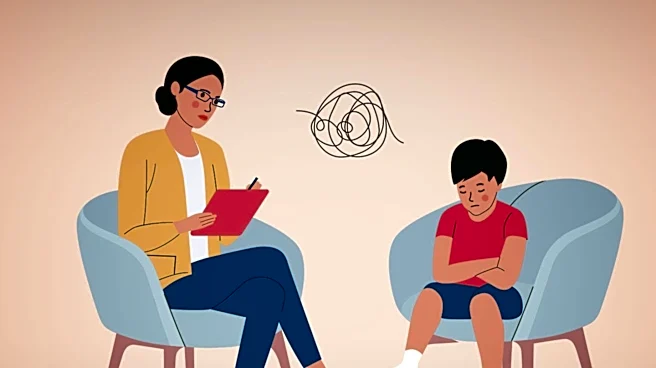
Therapists are increasingly recognizing the impact of shared trauma on their practice, particularly in the context of global instability and crises. The COVID-19 pandemic and ongoing conflicts have highlighted the emotional challenges faced by therapists
who are simultaneously experiencing the same crises as their clients. This shared trauma affects therapists' ability to remain neutral and detached, as they navigate their own emotional responses while providing care. The article explores the complexities of working with clients who are dealing with collective trauma, such as those from regions experiencing political instability and repression.
Why It's Important?
The recognition of shared trauma in therapy underscores the need for therapists to engage in self-reflection and seek support to maintain their effectiveness. As global crises continue to unfold, therapists must balance their professional responsibilities with their own emotional well-being. This awareness can lead to more empathetic and attuned therapeutic practices, ultimately benefiting both therapists and clients. The article highlights the importance of addressing the emotional realities faced by therapists to ensure ethical and effective care.
Beyond the Headlines
The concept of shared trauma challenges traditional notions of therapist neutrality and detachment. It calls for a reevaluation of therapeutic practices and the development of new strategies to support therapists in managing their own emotional responses. This shift may lead to greater emphasis on therapist self-care and the integration of personal experiences into therapeutic work, fostering deeper connections with clients.