
What's Happening?
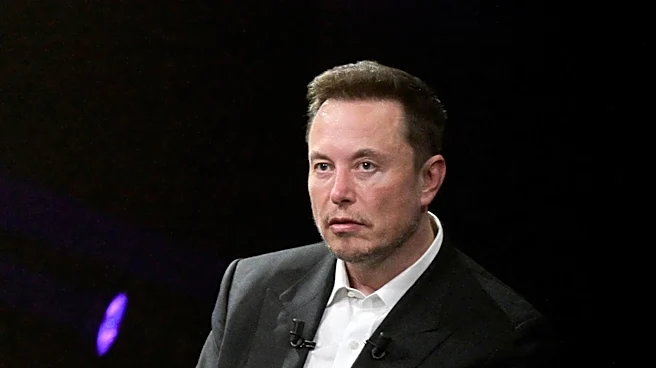
Terence Ronson, founder and managing director of Pertlink Limited, has explored the hypothetical concept of a hotel designed by Elon Musk, drawing inspiration from an episode of The Ezra Klein Show titled
'Elon Musk’s Endgame.' This episode featured an interview with Boston University historian Quinn Slobodian, co-author of 'Muskism,' which argues that Musk fosters dependency across three key areas: financial markets, advanced machinery (such as rockets, satellites, cars, and robots), and communication platforms (like X and its AI). Ronson's thought experiment envisions a hotel where every feature is directly traceable to Musk's public statements, proposals, or existing ventures, or to the interpretation of his philosophy presented in the Ezra Klein interview. The concept aims to illustrate how Musk's approach to technology, sustainability, and guest personalization could fundamentally alter traditional hospitality models and operational priorities.
Why It's Important?
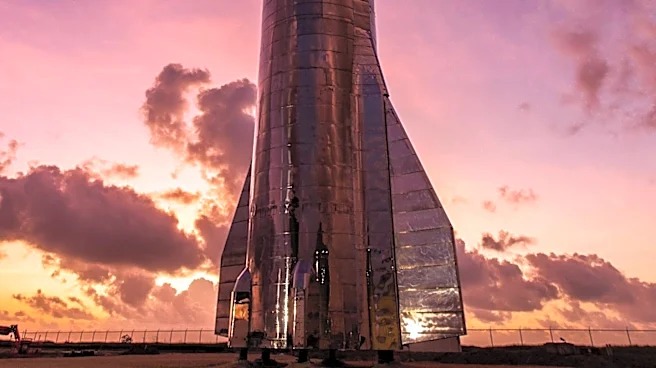
This imaginative exercise is important because it provides a unique lens through which to understand the potential broader societal and industrial impact of figures like Elon Musk and the technologies they champion. By applying Musk's known principles—such as a focus on advanced technology, self-sufficiency (like Starbase's self-powered, robot-staffed base), and a 'delete everything that does not serve it' mentality—to a familiar industry like hospitality, Ronson highlights how disruptive innovation can challenge established norms. This exploration encourages critical thinking about how AI, automation, and integrated technological ecosystems could reshape consumer experiences, labor markets, and business models across various sectors, not just in tech. It also underscores the growing influence of tech leaders in shaping future societal infrastructure and daily life.
What's Next?
While purely hypothetical, the concept of an 'Elon Musk hotel' serves as a thought-provoking case study for the hospitality industry and beyond. It suggests that future developments in hotel design and operation could increasingly integrate advanced AI, robotics, and sustainable energy solutions, potentially leading to highly automated and personalized guest experiences. This could prompt traditional hotel chains to re-evaluate their own innovation strategies and consider how to incorporate cutting-edge technologies to remain competitive. Furthermore, the discussion around Musk's 'dependency' model could influence how other industries approach vertical integration and ecosystem development, aiming to create comprehensive, self-contained technological solutions that span multiple aspects of a consumer's life or a business's operations.
Beyond the Headlines
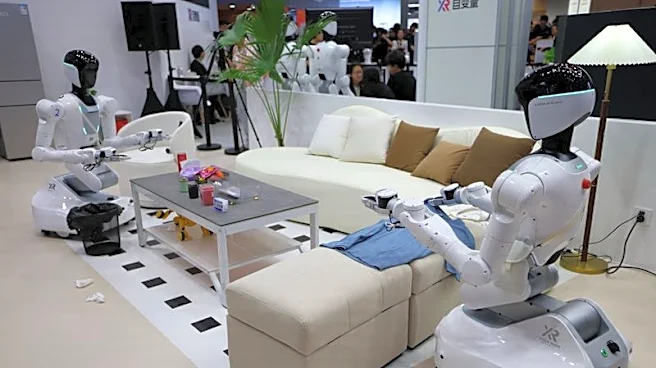
The deeper implications of a Musk-designed hotel extend to ethical and philosophical considerations. The idea of a 'closed technology stack' and a system designed to 'delete everything that does not serve it' raises questions about user autonomy, data privacy, and the potential for technological monopolies. It also touches upon the concept of 'Base Reality' and the simulation hypothesis, reflecting a broader cultural fascination with the nature of reality and the role of technology in shaping our perceptions. The reliance on robots and advanced AI in such a hotel could spark debates about the future of human labor, the value of human interaction in service industries, and the psychological impact of highly automated environments on guests and employees alike. This thought experiment ultimately challenges us to consider not just what technology can do, but what kind of future we want to build with it.