





What's Happening?
Zipline, a California-based drone delivery company, has submitted a proposal to the Federal Aviation Administration (FAA) for a large-scale drone delivery operation in the Tucson and Phoenix metropolitan areas. The plan for Tucson outlines a service area of
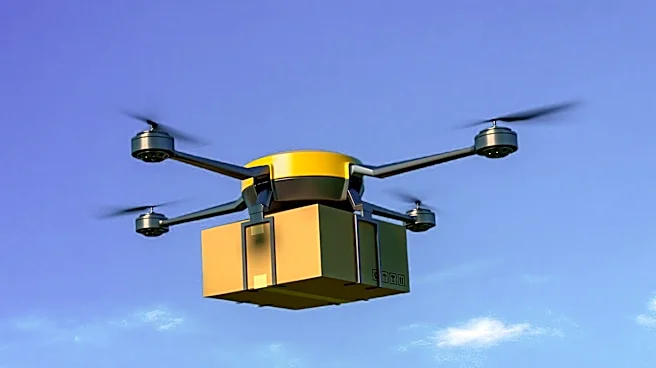
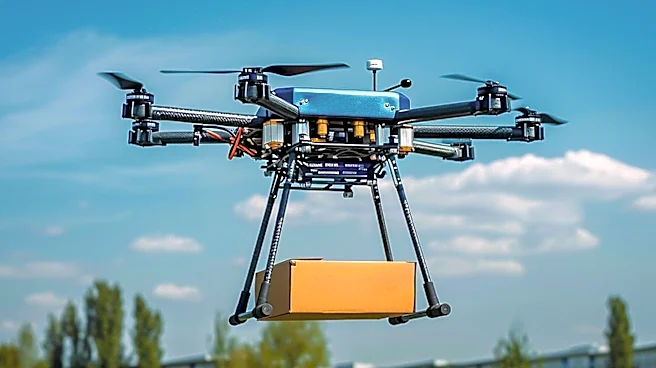
approximately 554 square miles, featuring up to 65 charging hubs, 1,300 pickup boxes, and the capacity for as many as 65,000 deliveries daily. Each charging hub, typically equipped with 36 drone docks, would be capped at 1,000 deliveries per day. The drones, Zipline's Platform 2 aircraft, weigh about 63 pounds with an 8-pound payload capacity, have an 8-foot wingspan, and can travel up to 20 miles between charges at speeds up to 70 mph and an altitude of 330 feet. The FAA has released a draft environmental assessment for this proposal, with the public comment period closing on December 7, 2026. While Zipline is focusing its immediate efforts on Phoenix for a potential 2025 launch, no specific timeline or job announcements have been made for Tucson.
Why It's Important?
This proposal signifies a significant step towards integrating widespread drone delivery services into urban environments in the U.S., potentially transforming local logistics and retail. If approved, the extensive network could offer rapid delivery of goods, including pharmacy items and medical lab samples, which could enhance convenience for consumers and improve efficiency for businesses and healthcare providers. However, the plan also raises concerns among local residents and officials, such as Pima County Supervisor Jen Allen, regarding potential impacts on noise levels, wildlife, and night skies due to continuous drone operations. The FAA's environmental assessment and the public comment period are crucial for addressing these concerns and evaluating the broader environmental and social implications of such a large-scale drone operation. The outcome will set a precedent for future drone delivery expansions in other U.S. cities, influencing regulatory frameworks and public acceptance of this emerging technology.
What's Next?
The immediate next step involves the public comment period for the FAA's draft environmental assessment, which concludes on December 7, 2026. During this time, individuals and organizations can submit feedback on the proposed drone delivery operations. Following the closure of the comment period, the FAA will review all submissions before making a final decision on Zipline's proposal. While Zipline's immediate focus is on launching services in Phoenix by 2025, the company has not provided a timeline for Tucson. If approved, the implementation in Tucson would involve further planning for hub locations and partnerships with local businesses and healthcare facilities. The development of this drone network could eventually lead to new job opportunities in areas such as drone maintenance, logistics, and operations, although no specific job announcements have been made for Tucson at this stage.
Beyond the Headlines
The proposed drone delivery system by Zipline in Arizona extends beyond mere logistical convenience, touching upon broader societal and regulatory challenges. The potential for 24/7 drone operations, even with 95% of flights between 7 a.m. and 10 p.m., introduces new considerations for urban planning and quality of life, particularly concerning noise pollution and visual impact in residential areas. The integration of drones into the national airspace system also necessitates robust regulatory frameworks to ensure safety, privacy, and equitable access. Furthermore, the success of such a venture could accelerate the shift towards automated delivery services, potentially impacting traditional delivery jobs and local economies. The public's engagement during the comment period will be critical in shaping how these technological advancements are balanced with community concerns and environmental stewardship, setting a precedent for the future of autonomous delivery in the United States.