









What's Happening?
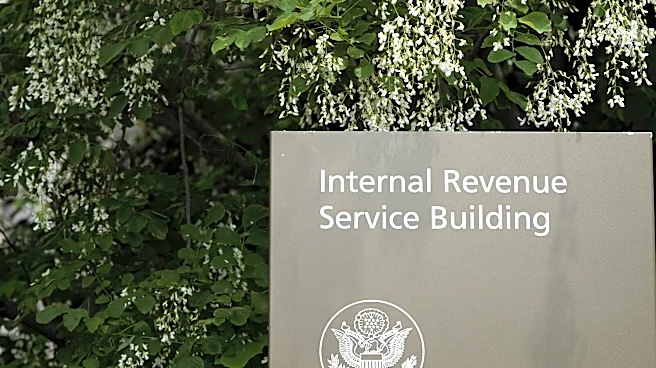
Payroll compliance risks are increasingly significant for businesses, as highlighted by recent IRS data and industry experts. The IRS reported collecting over $5.1 trillion in gross taxes in fiscal 2024, with individual income tax withheld and payments
totaling nearly $2.8 trillion before refunds. Payroll administration is a critical component of the federal revenue system, yet many organizations treat it as a low-priority process. This oversight can lead to compliance risks, including penalties, audits, and reputational damage. John Bernatovicz, founder of Willory, emphasizes that payroll's perceived simplicity masks the hard work of professionals who ensure accurate and timely payments. He argues that payroll should be seen as a strategic asset, influencing broader business decisions through data-driven insights.
Why It's Important?
The importance of payroll compliance extends beyond administrative tasks, impacting financial and legal aspects of businesses. Noncompliance can result in significant penalties, such as the IRS's information-return penalties and the Labor Department's back-wage recoveries. Payroll data, which accounts for a substantial portion of employer compensation costs, can inform labor spending, workforce planning, and employee service. As payroll departments face increasing risks from data theft and AI-enabled scams, strategic leadership and investment in technology are crucial. The aging workforce in payroll presents a talent challenge, necessitating succession planning and knowledge transfer to maintain compliance and operational efficiency.
What's Next?
Organizations are encouraged to elevate the visibility of payroll functions by reporting accuracy and timeliness in business terms. Payroll leaders should leverage data strategically to identify trends and inefficiencies, integrating payroll into broader workforce planning discussions. Strengthening compliance and risk controls, such as reviewing data-sharing protocols and conducting regular audits, is essential. Addressing the talent gap through succession planning and mentoring will help preserve institutional knowledge. Investing in leadership development and communicating payroll's value through data-driven narratives can enhance its strategic role within organizations.
Beyond the Headlines
The perception of payroll as a simple function can lead to underinvestment in staffing, training, and systems, increasing compliance risks. As technology advances, payroll teams must balance automation with strong human controls to mitigate cybersecurity threats. The generational talent gap in payroll poses long-term risks, as experienced professionals retire and younger workers are less prevalent. Addressing these challenges requires a shift in mindset, prioritizing professional development and sustainability alongside compliance. By telling a clear, data-driven story of payroll's impact, leaders can elevate its role as a strategic partner in business operations.