






What's Happening?
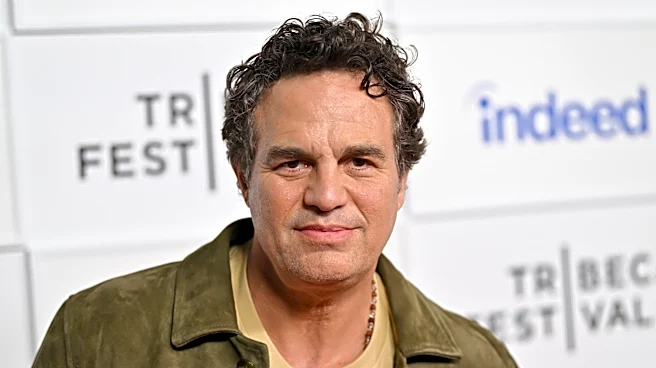
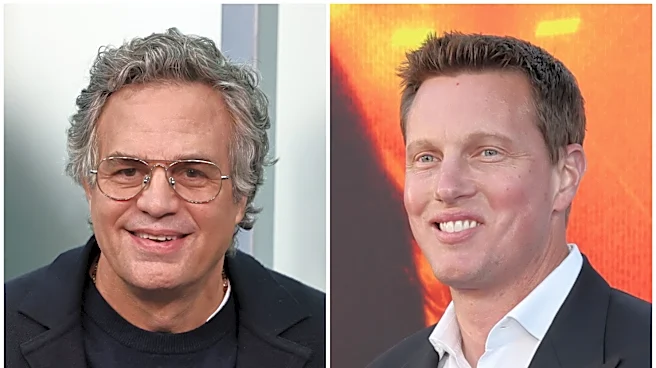
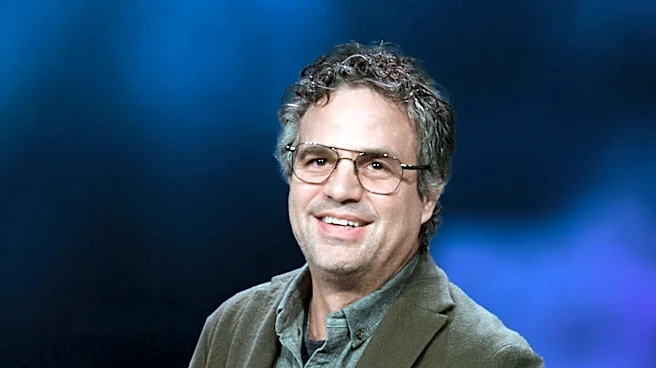
Actor and activist Mark Ruffalo has publicly refuted accusations of antisemitism made by Paramount. The controversy stems from Ruffalo's criticism of the Ellison family's proposed merger involving Warner Bros. Discovery. Ruffalo had reposted a video featuring
Paramount board member Safra Catz discussing Oracle's technology assistance to the Israeli military following the October 7, 2023, Hamas attacks. Ruffalo linked this to the Ellison family's control over media conglomerates, stating that these 'profoundly scary technologies' could be merged into one of the largest media entities and potentially used on the public. He also used terms like 'genocide' and 'apartheid' in relation to the situation. In response, a Paramount spokesperson accused Ruffalo of invoking 'antisemitic tropes' in a business dispute, asserting that such language cheapens the suffering these words are meant to describe. Ruffalo, in a statement to Fox News Digital, called the accusation 'appalling and fundamentally dishonest,' clarifying that his criticism targets the actions of the Israeli prime minister, military technology contracts, and executives, not Jewish people. He emphasized his deep respect and love for Jewish friends, colleagues, and loved ones who have shaped his views on activism and humanism.
Why It's Important?
This dispute highlights the increasing tension between corporate interests, celebrity activism, and sensitive geopolitical issues within the U.S. media landscape. Mark Ruffalo's comments, and Paramount's reaction, underscore the challenges of discussing complex international conflicts and their potential connections to corporate power without being accused of antisemitism. The proposed $111 billion merger, which would grant one family control over major media outlets like CNN, HBO, and Warner Bros., raises significant concerns about editorial freedom and potential job losses for thousands of families. Ruffalo's stance brings attention to the broader implications of such large-scale corporate consolidations, particularly when they involve companies with ties to surveillance technology and government contracts. The involvement of foreign money in the deal, and its potential influence on editorial decisions, further complicates the issue, prompting calls for national security reviews from lawmakers. This incident could influence how public figures engage with corporate mergers and international politics, and how corporations respond to such criticisms, potentially setting precedents for future interactions.
What's Next?
The proposed merger is currently facing challenges from a coalition of 12 state attorneys general, and the involved companies have agreed not to finalize the deal until June 1, 2027, or until a court decision on the states' claims, whichever comes first. This indicates that the legal and regulatory scrutiny of the merger will continue. Mark Ruffalo's continued activism and public statements could further fuel public debate and potentially influence public opinion regarding the merger and the ethical considerations of corporate power. The ongoing dialogue around the use of terms like 'genocide' and 'apartheid' in corporate and political contexts will likely persist, prompting further discussions on appropriate language and the boundaries of criticism. Stakeholders, including lawmakers, civil society groups, and the public, will be closely watching the legal proceedings and the reactions of both the involved corporations and prominent figures like Ruffalo, as the outcome could have significant implications for media ownership, editorial independence, and the intersection of business and geopolitics.
Beyond the Headlines
This incident delves into the complex interplay of corporate consolidation, technological ethics, and freedom of speech, particularly when discussing sensitive international conflicts. The accusation of antisemitism against Ruffalo, and his strong rebuttal, highlight the weaponization of such serious allegations in public discourse, potentially chilling legitimate criticism of corporate actions or government policies. The debate also touches upon the ethical responsibilities of technology companies, like Oracle, when their products are used in military contexts, and the broader implications for human rights. Furthermore, the potential for a single family to control a vast media empire raises profound questions about media diversity, journalistic integrity, and the potential for biased narratives. The incident underscores the growing public demand for transparency and accountability from powerful corporations and their executives, especially when their business dealings intersect with geopolitical events and human rights concerns. It also reflects a broader societal struggle to navigate complex global issues in an increasingly interconnected and polarized world.