





What's Happening?
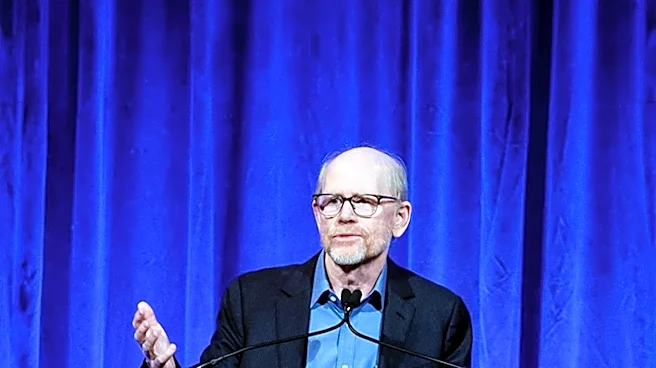
Director Ron Howard made a last-minute decision in May 1995 to withdraw from directing the 1996 film 'The Chamber,' a legal thriller based on a John Grisham novel. Howard described his decision as a 'hunch,' opting instead to direct 'Ransom' starring
Mel Gibson. While Howard remained attached to 'The Chamber' as a producer, his departure from the director's chair spared him from helming what critics and audiences widely panned as a 'dreadful movie' and a 'total wipeout disaster.' The film, which centered on a lawyer attempting to save his racist, Ku Klux Klan member grandfather from execution, was reportedly rushed into production to capitalize on a trend of John Grisham adaptations. William Goldman, who worked on the screenplay, later characterized the finished film as a 'terrible experience.' 'The Chamber' received overwhelmingly negative reviews, with no other film directed or produced by Howard scoring worse in critical reception over his three-decade career. In contrast, 'Ransom' became one of the summer's biggest hits.
Why It's Important?
This event highlights the significant impact of a director's intuition and decision-making on a film's critical and commercial outcome. Ron Howard's 'hunch' to step away from 'The Chamber' not only protected his directorial reputation from a widely criticized project but also allowed him to pursue 'Ransom,' a successful film that further solidified his standing in Hollywood. The contrasting fates of the two films underscore the volatile nature of the film industry, where a single decision can lead to vastly different results for individuals and studios. For producers like Brian Grazer, who reportedly paid nearly $4 million for the rights to 'The Chamber' based on a one-page outline, the film's failure serves as a cautionary tale about the risks of speculative investments in intellectual property without a solid creative vision. The incident also reflects a period in Hollywood where studios were eager to adapt popular literary works, sometimes leading to rushed productions that compromised quality.
What's Next?
While the event itself is historical, its implications continue to resonate in the film industry's approach to project development and director selection. The experience of 'The Chamber' likely reinforced the importance of a director's creative alignment with a project and the potential pitfalls of chasing trends. For Ron Howard, this decision was a pivotal moment that allowed him to maintain a strong directorial track record. Future projects in Hollywood will continue to grapple with the balance between commercial viability and artistic integrity, with lessons from past failures like 'The Chamber' potentially influencing how studios greenlight and manage film productions. The emphasis on a director's vision and commitment remains a critical factor in a film's potential for success.
Beyond the Headlines
The story of Ron Howard and 'The Chamber' delves into the less visible aspects of creative decision-making in a high-stakes industry. It illustrates how personal intuition, even when seemingly unquantifiable, can be a powerful guiding force in professional choices. The narrative also touches upon the ethical considerations inherent in adapting sensitive subject matter, such as the Ku Klux Klan, and the potential for such adaptations to be mishandled, leading to critical backlash. Furthermore, the contrast between the critical reception of 'The Chamber' and 'Ransom' highlights the subjective nature of artistic success and the role of public perception in shaping a filmmaker's legacy. It underscores that even established figures like John Grisham can be associated with projects that fail to meet expectations, demonstrating the collaborative and often unpredictable nature of filmmaking.