


What's Happening?
The fashion modeling industry is undergoing significant transformations driven by cultural shifts, technological advancements, and evolving consumer demands. Key trends include a strong push for diversity and inclusivity, with brands increasingly featuring
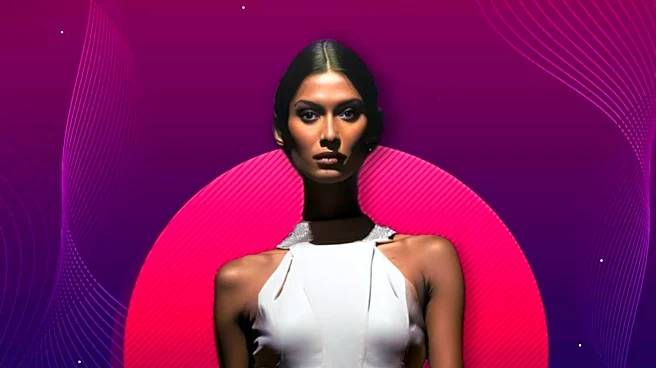
models of various ethnicities, body types, and ages to reflect broader societal representation. Digital and virtual modeling are gaining prominence, utilizing 3D avatars for fashion shows and campaigns, and leveraging social media influencers on platforms like Instagram and TikTok for direct brand promotion and audience engagement. Sustainability has become a central movement, leading to eco-conscious campaigns that highlight recycled materials and transparent supply chains. Fashion shows are also evolving, with many brands opting for digital, eco-friendly, or pop-up presentations. Furthermore, technological integration, such as Augmented Reality (AR) experiences for virtual try-ons and data analytics for optimizing social media content, is redefining how models, brands, and consumers interact.
Why It's Important?
These evolving trends in fashion modeling have profound implications for the industry and consumers. The emphasis on diversity and inclusivity promotes a more representative and equitable fashion landscape, allowing a wider range of consumers to see themselves reflected in marketing campaigns. This shift can foster greater brand loyalty and broader market appeal. The integration of digital and virtual modeling, along with social media influencers, signifies a move towards more interactive, accessible, and data-driven marketing strategies, potentially reducing production costs and expanding global reach. The focus on sustainability addresses growing consumer demand for ethical and environmentally responsible practices, pushing brands to adopt more eco-friendly approaches throughout their supply chains. These changes collectively reshape industry standards, influence consumer purchasing decisions, and drive innovation in how fashion is presented and consumed.
What's Next?
The fashion modeling industry is expected to continue its trajectory towards greater digitalization and ethical responsibility. We can anticipate further advancements in virtual modeling technologies, potentially leading to more immersive and personalized consumer experiences. The role of social media influencers will likely expand, with brands investing more in creator-led content and direct-to-consumer engagement. Sustainability will remain a critical driver, prompting more brands to adopt circular fashion models and transparent reporting on their environmental impact. As data analytics become more sophisticated, campaigns will become increasingly tailored to individual consumer preferences, leading to highly personalized marketing. Aspiring models will need to adapt to these changes, developing digital literacy and a strong personal brand to succeed in this evolving landscape.
Beyond the Headlines
Beyond the immediate industry shifts, these trends reflect broader societal values and technological progress. The push for diversity in fashion mirrors wider movements for social justice and representation across various sectors. The embrace of digital and virtual technologies in modeling is part of a larger digital transformation impacting all industries, blurring the lines between physical and virtual realities. The focus on sustainability in fashion highlights a growing global consciousness about environmental issues and the ethical responsibilities of corporations. These developments could lead to new legal frameworks governing digital content, influencer marketing, and environmental claims. Culturally, fashion modeling is becoming a more democratic and accessible field, moving away from traditional, exclusive ideals towards a more inclusive and technologically integrated future.