




What's Happening?
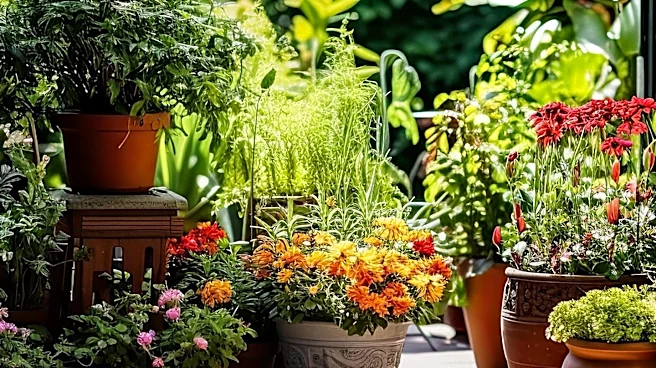
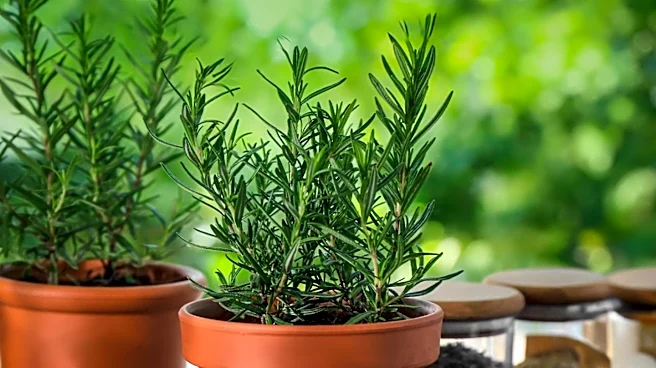
Terracotta pots, known for their aesthetic appeal and affordability, are being scrutinized for their suitability in hot weather conditions. These pots are made from unglazed earthenware clay, which is highly porous and leads to rapid moisture loss. This
characteristic makes them less ideal for plants that require consistently moist soil, such as ferns, peace lilies, and philodendrons. During heatwaves, plants in terracotta pots may need watering more than once a day. Additionally, terracotta pots are prone to cracking in freezing temperatures due to moisture expansion. Despite these drawbacks, terracotta pots are beneficial for plants like succulents and cacti that thrive in well-draining soil.
Why It's Important?
Understanding the properties of terracotta pots is crucial for gardeners aiming to maintain healthy plants, especially during extreme weather conditions. The rapid moisture loss associated with terracotta can lead to increased water usage, impacting water conservation efforts. For gardeners in regions with freezing winters, the risk of pot damage necessitates careful planning and potentially increased costs for pot replacement. Conversely, the benefits of terracotta for certain plant types highlight the importance of selecting the right pot material based on plant needs. This knowledge can lead to more sustainable gardening practices and better resource management.
What's Next?
Gardeners should assess their plant collections and consider the specific needs of each plant when choosing pot materials. For those using terracotta pots, regular monitoring of soil moisture and adjusting watering schedules accordingly is essential. In regions with harsh winters, gardeners may need to bring terracotta pots indoors or switch to more durable materials. As climate patterns continue to shift, gardeners may increasingly seek advice on sustainable practices and materials that align with environmental conditions. This could lead to innovations in pot design and materials that balance aesthetic appeal with functionality.