






What's Happening?
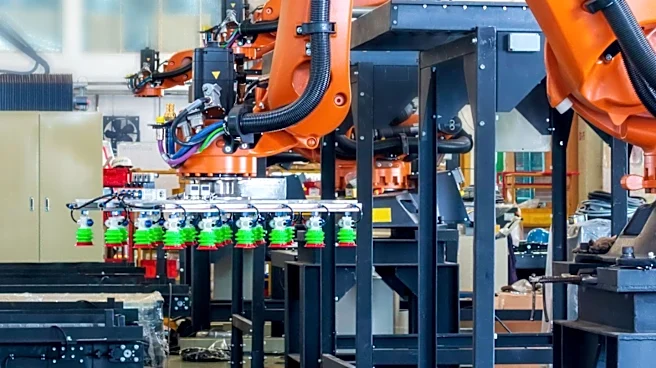
RSM US LLP emphasizes that automation readiness will be crucial for manufacturers to capitalize on the next wave of industrial automation. The firm notes that robotics technology is rapidly evolving, with robotic systems becoming more capable, flexible,
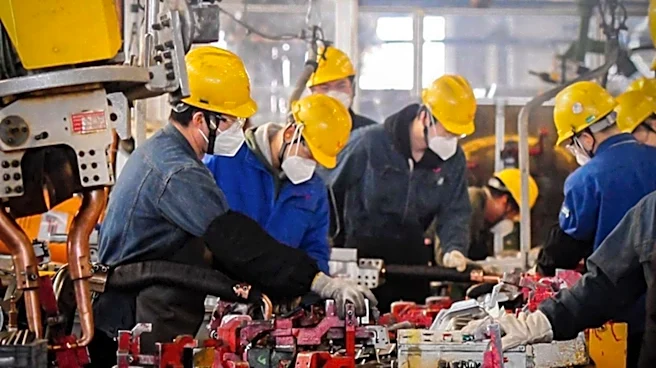
and accessible. While traditional robotic arms and automated guided vehicles have been factory fixtures for decades, advancements in AI and machine vision are enabling robots to perform more complex and variable tasks, including those requiring discerning judgment. RSM advises middle market manufacturers, in particular, to assess their operational, digital, and workforce capabilities to effectively deploy these advancing technologies, especially in the face of intensifying labor constraints, wage pressure, and global competition.
Why It's Important?
This insight from RSM US LLP is vital for the U.S. manufacturing sector, which is a cornerstone of the national economy. The 'next robot era' presents both significant opportunities for increased productivity and competitiveness, and challenges for businesses unprepared for technological shifts. For middle market manufacturers, who may have fewer resources than larger corporations, understanding and building automation readiness is critical to avoid being left behind. Failure to adapt could lead to decreased efficiency, higher operational costs, and a loss of market share. Conversely, those that strategically invest in preparing their operations, digital infrastructure, and workforce for advanced robotics can gain a substantial competitive advantage, contributing to job growth in skilled areas and strengthening the overall manufacturing base in the U.S.
What's Next?
Manufacturers are urged to proactively build automation readiness rather than waiting until adoption becomes urgent. This involves a comprehensive assessment of their operational, digital, and workforce capabilities. Companies should focus on understanding whether their current infrastructure can support advanced robotics and identify areas for improvement. The adoption of robotics is expected to vary by industry, application, and economics, but the overall trend points towards increasing integration. Businesses that make strategic investments now to organize and govern their data will be better positioned to capture value as AI and robotics adoption accelerates, ensuring they are 'robot-ready' for the unfolding industrial automation wave.
Beyond the Headlines
The discussion around 'robot readiness' extends beyond mere technological adoption; it touches upon significant societal and workforce implications. As robots become more capable of performing complex tasks, the nature of human work in manufacturing will inevitably shift. This necessitates a focus on workforce retraining and upskilling to prepare employees for roles that involve managing, maintaining, and collaborating with advanced robotic systems. The ethical considerations of AI and robotics in the workplace, including job displacement and the need for human-robot collaboration, will also become more prominent. For the U.S., successfully navigating this transition will require not only technological investment but also robust educational and policy frameworks to support a future-ready workforce and ensure equitable economic growth.