






What's Happening?
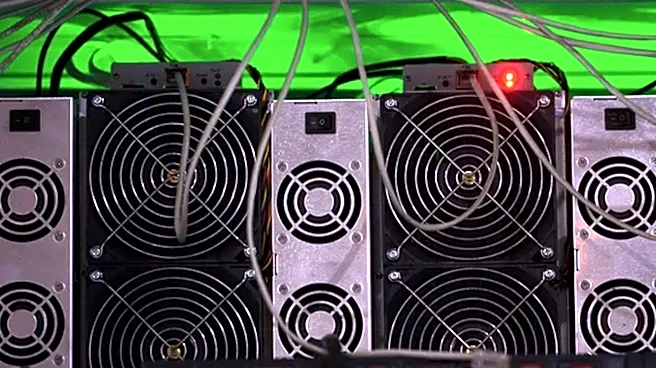
Bitcoin mining operators are experiencing a wave of cyberattacks where hackers are hijacking hash rates and stealing mining rewards. According to a report released by mining company Braiins on November 25, 2026, 24 hash-rate hijacking attacks were identified
between November 7 and November 20. Initially concentrated in mining farms in Brazil and Argentina, these attacks have since spread to Europe, affecting over 1,000 mining sites. Hackers exploited a security vulnerability in Stratum V1, the protocol used for communication between mining equipment and mining pools, to redirect mining rewards to their own accounts. Mining equipment continued to operate normally during these attacks, consuming electricity, which made immediate detection of the theft difficult for operators. Braiins noted that while the attacks were short-lived, the amount of stolen computing power increased more than tenfold in just two weeks.
Why It's Important?
These widespread attacks on Bitcoin mining farms pose a significant threat to the integrity and profitability of the cryptocurrency mining industry, including operations within the U.S. The hijacking of hash rates directly impacts mining operators by causing substantial financial losses through stolen mining rewards and wasted electricity costs. For the broader U.S. cryptocurrency market, such security vulnerabilities can erode trust in mining infrastructure and potentially lead to increased operational costs as companies invest in enhanced security measures. The vulnerability in Stratum V1 highlights a critical need for industry-wide security upgrades, particularly for U.S. mining companies that are major players in the global Bitcoin network. The incident underscores the ongoing cybersecurity challenges in the digital asset space and the financial risks associated with outdated protocols.
What's Next?
Braiins has strongly recommended that mining operators switch to Stratum V2, a protocol with stronger security features, to mitigate the risk of future attacks. This recommendation is likely to drive a significant migration among mining farms, including those in the U.S., to upgrade their communication protocols. The industry will be closely monitoring the adoption rate of Stratum V2 and its effectiveness in preventing similar incidents. Furthermore, cryptocurrency exchanges and regulatory bodies may increase scrutiny on the security practices of mining operations, potentially leading to new industry standards or compliance requirements. Mining companies will need to prioritize cybersecurity investments and implement robust monitoring systems to detect and prevent hash rate hijacking in real-time, impacting their operational budgets and strategic planning.
Beyond the Headlines
The exploitation of Stratum V1 reveals a deeper systemic vulnerability within the foundational infrastructure of Bitcoin mining. This incident could accelerate the development and adoption of more secure, decentralized mining protocols, pushing the industry towards greater resilience against sophisticated cyber threats. Beyond the immediate financial losses, these attacks could prompt a re-evaluation of the balance between decentralization and security in cryptocurrency networks. It also raises questions about the responsibility of protocol developers and hardware manufacturers in ensuring the long-term security of the ecosystem. The incident serves as a stark reminder that even established technologies like Bitcoin are not immune to evolving cyber threats, necessitating continuous innovation and vigilance across the entire digital asset value chain.