








What's Happening?
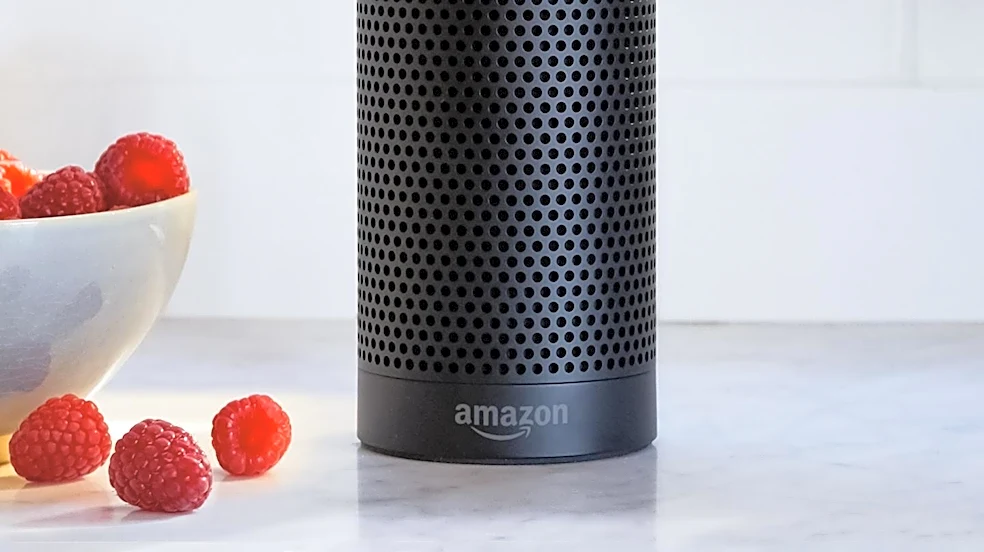
Modern kitchens are increasingly adopting smart kitchen hubs that integrate with voice assistants to provide practical assistance for daily meal preparation tasks. These hubs are designed to control various appliances, play music, and offer cooking instructions,
streamlining kitchen activities. The trend reflects a broader consumer demand for efficiency, practicality, and seamless integration of technology in the home. The focus is shifting towards kitchens that are not only aesthetically pleasing but also highly functional, adapting to individual and family needs by optimizing workflow and accessibility of tools and ingredients. This includes leveraging technology to simplify tasks, reduce food waste, and promote healthier eating habits.
Why It's Important?
The integration of smart kitchen hubs and voice assistants has significant implications for U.S. households and the consumer technology market. For consumers, it offers enhanced convenience, potentially reducing the time and effort spent on meal preparation and household chores. This can improve quality of life, especially for individuals with busy schedules or those seeking to optimize their home environment. For the technology industry, it drives innovation in smart home devices, AI, and voice recognition software, creating new market opportunities and fostering competition among manufacturers. The widespread adoption of these technologies could also influence home design and construction, with a greater emphasis on integrated smart systems in new residential developments across the U.S.
What's Next?
The future will likely see further advancements in the capabilities of smart kitchen hubs, with more sophisticated AI integration for personalized cooking experiences, advanced energy management, and predictive maintenance for appliances. Increased interoperability between different brands and platforms will be crucial for widespread adoption, allowing consumers to create a truly unified smart home ecosystem. The development of more intuitive voice commands and hands-free controls will continue to enhance accessibility and ease of use. Additionally, there may be a growing emphasis on sustainable kitchen technologies, with smart hubs helping to monitor and reduce energy consumption and food waste.
Beyond the Headlines
The increasing reliance on smart kitchen hubs and voice assistants raises important questions about data privacy and security. As these devices collect information about cooking habits, dietary preferences, and daily routines, safeguarding this personal data becomes paramount. There are also ethical considerations regarding the potential for these technologies to create a dependency, altering traditional cooking skills and human interaction within the kitchen space. Furthermore, the digital divide could be exacerbated, as access to these advanced technologies may not be equitable across all socioeconomic groups. The cultural impact on family dynamics and the role of the kitchen as a central gathering space could also evolve with greater automation.