

What's Happening?
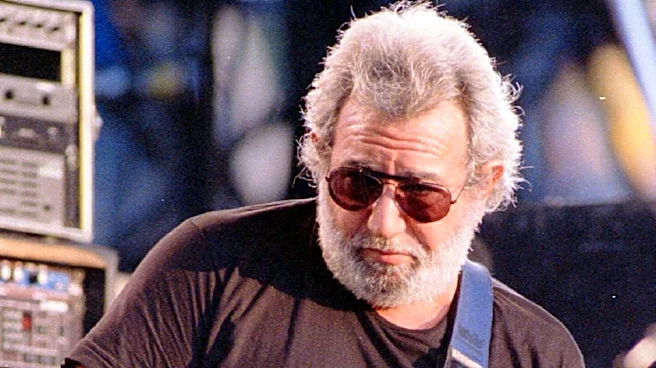
The Grateful Dead's influence persists decades after the band's dissolution, with its fanbase, known as Deadheads, continuing to grow. Following the death of Jerry Garcia in 1995, the band ceased to exist formally, but its music lived on through various
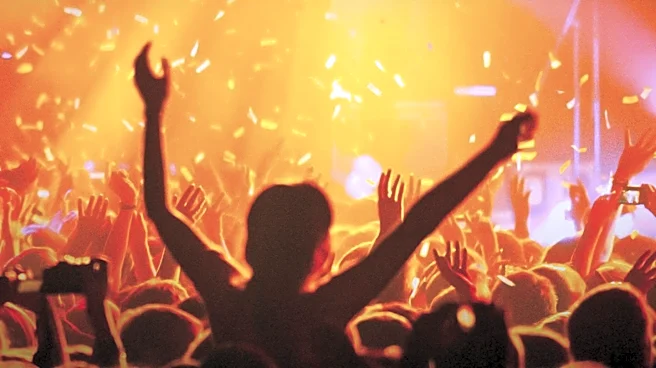
configurations of surviving members and tribute bands. In 2015, the surviving members reunited for the Grateful Dead's 50th anniversary concerts, which reignited interest in the band. This led to the formation of Dead & Company, featuring original members Bob Weir, Mickey Hart, and Bill Kreutzmann, along with John Mayer and others. The band has successfully attracted younger generations, including millennials and Gen Z, to its concerts. The Grateful Dead's communal and improvisational ethos remains a significant draw, fostering a sense of community among fans.
Why It's Important?
The enduring popularity of the Grateful Dead highlights the band's unique cultural impact and the power of music to transcend generations. The band's ability to attract new fans decades after its peak demonstrates the timeless appeal of its music and the community it fosters. This phenomenon also underscores the potential for legacy bands to maintain relevance and financial viability through strategic reinventions and collaborations. The Grateful Dead's influence extends beyond music, impacting fashion, art, and popular culture, as seen in the resurgence of its psychedelic iconography. The band's legacy also serves as a case study in the sustainability of fan-driven music cultures, offering insights into how artists can cultivate long-lasting relationships with their audiences.
What's Next?
Dead & Company announced its final tour in 2023, but the Grateful Dead's music and culture are expected to continue thriving through tribute bands and fan communities. The band's influence is likely to persist in various forms, including documentaries, films, and other media that explore its legacy. As younger generations continue to discover the Grateful Dead, the band's music may find new expressions and interpretations, potentially leading to further cultural and artistic collaborations. The ongoing interest in the Grateful Dead also suggests opportunities for new business ventures, such as merchandise and themed events, that capitalize on the band's enduring appeal.
Beyond the Headlines
The Grateful Dead's legacy raises questions about the nature of cultural inheritance and the role of music in shaping identity and community. The band's emphasis on improvisation and egalitarianism challenges traditional notions of musical performance and audience interaction, offering a model for more inclusive and participatory cultural experiences. The Grateful Dead's story also highlights the potential for music to serve as a unifying force in a divided society, providing a space for diverse individuals to connect and share common values. As the music industry evolves, the Grateful Dead's approach to fan engagement and community building may offer valuable lessons for artists seeking to navigate the challenges of the digital age.