


What's Happening?
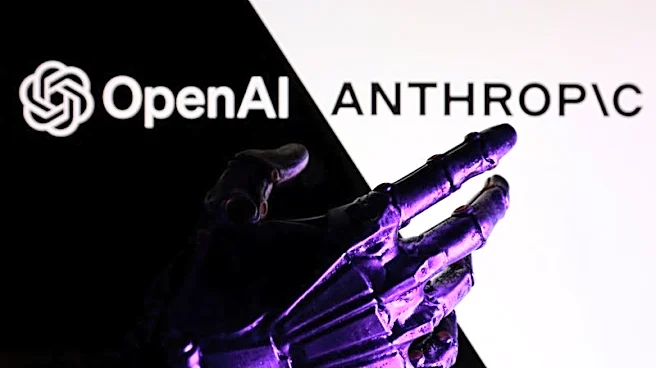
Anthropic, an American AI company, has announced the implementation of invisible watermarks on text generated by its Claude chatbot. This move is in response to new European Union regulations that require AI-generated content to include machine-readable
markings. The watermarks, which are not visible to humans, will remain intact even after the text is copied and pasted. The company clarified that the watermark indicates the text was processed by Claude, but not necessarily generated by it. This feature will be applied globally, not just in Europe. The changes are part of Anthropic's compliance with the EU's AI regulations, which mandate transparency in AI-generated content. The company is among 190 organizations that have signed a voluntary EU code of good practice, alongside tech giants like Google, Meta, and Microsoft.
Why It's Important?
The introduction of invisible watermarks by Anthropic is significant as it aligns with the growing global emphasis on transparency and accountability in AI technologies. By complying with EU regulations, Anthropic sets a precedent for other AI companies, potentially influencing global standards for AI-generated content. This move could impact how AI technologies are developed and deployed, ensuring that content provenance is traceable and verifiable. The initiative also highlights the increasing regulatory scrutiny on AI, which could lead to more stringent policies and practices in the industry. Companies that fail to comply with such regulations risk facing substantial fines, emphasizing the importance of adherence to international standards.
What's Next?
Anthropic's implementation of watermarks is expected to prompt other AI companies to adopt similar measures to comply with international regulations. As the EU continues to enforce its AI Act, more companies may need to adjust their practices to avoid penalties. The development of watermark detection tools, as called for in the EU code of good practices, could become a focus for Anthropic and other tech companies. This could lead to advancements in technology that ensure the authenticity and traceability of AI-generated content. Additionally, the global application of these watermarks by Anthropic may influence other regions to adopt similar regulatory frameworks, potentially leading to a more standardized approach to AI regulation worldwide.