





What's Happening?
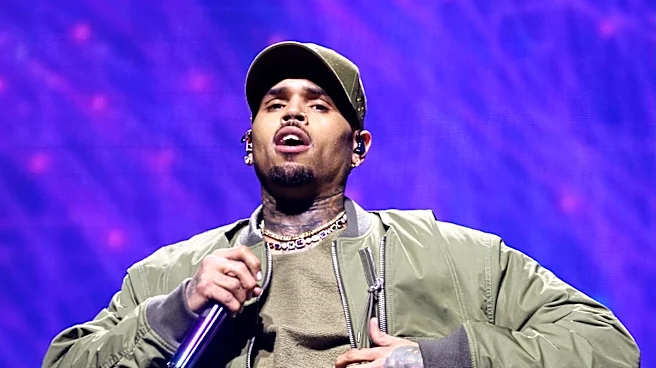
Chris Brown is facing significant criticism from fans after the opening night of his joint tour with Usher at Mercedes-Benz Stadium in Atlanta. Attendees reported massive delays, technical difficulties, and a substantially shortened setlist, leading to widespread
frustration on social media. The concert reportedly started nearly three hours late, resulting in an hour of music being cut to comply with a local midnight ordinance. Fans also expressed disappointment over the sound quality and the lack of joint performances between Brown and Usher, who remained separate throughout the night. Rumors of a backstage disagreement regarding the performance order have circulated, though these remain unverified. Chris Brown seemingly addressed the online chatter on Instagram, posting, “Internet cap, don’t fall for it.” The concert also featured surprise guests T.I. and Young Dro, but their appearances did not alleviate the overall tense mood among the audience.
Why It's Important?
This incident highlights the significant impact of concert logistics and artist relations on fan experience and brand reputation within the music industry. The widespread negative feedback, including complaints about delays, technical issues, and perceived lack of collaboration, can damage the public image of both Chris Brown and Usher, potentially affecting future ticket sales and tour engagements. For concert promoters and venues, such events underscore the importance of strict adherence to schedules and robust technical preparations to avoid audience dissatisfaction and potential demands for refunds. The speculation about a rift between the two headliners also draws attention to the complexities of co-headlining tours, where differing artistic visions or personal dynamics can influence the show's quality and audience perception. This situation could lead to increased scrutiny from fans and media regarding the professionalism and coordination of major musical acts.
What's Next?
With four more performances scheduled in Atlanta, attention will be on whether Chris Brown and Usher can address the issues from the opening night. Fans will be closely watching for improvements in punctuality, sound quality, and, crucially, whether the artists will perform together as expected. The tour representatives may need to issue a statement or implement visible changes to mitigate further negative press and fan discontent. If the problems persist, it could lead to more widespread calls for refunds and potentially impact the success of the remaining tour dates. The artists themselves might need to publicly clarify their working relationship to quell rumors of a feud, which could otherwise overshadow their musical performances. The outcome of these subsequent shows will likely determine the long-term impact on their reputations and the tour's overall success.
Beyond the Headlines
The backlash from the Atlanta concert points to broader issues within the live music industry, particularly concerning the balance between artistic freedom and audience expectations. The incident raises questions about the contractual obligations of co-headlining artists to perform together and the transparency provided to ticket holders regarding potential setlist changes or performance structures. Ethically, promoters and artists face the challenge of managing fan expectations, especially when ticket prices are high. The reliance on social media for immediate feedback also means that negative experiences can quickly go viral, amplifying discontent and putting immense pressure on artists and organizers to respond swiftly and effectively. This event could prompt a re-evaluation of how large-scale concerts are planned and executed, emphasizing clearer communication with audiences and more stringent operational oversight to prevent similar occurrences in the future.