


What's Happening?
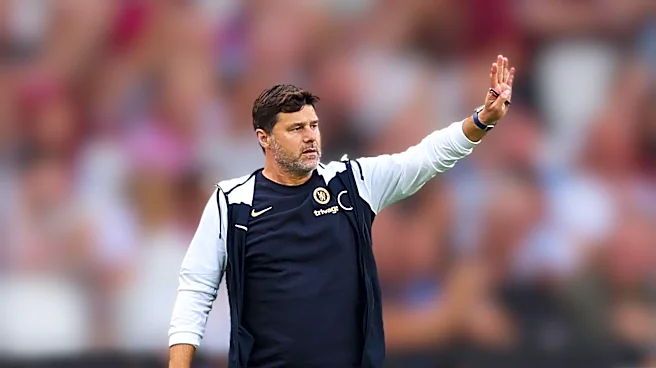
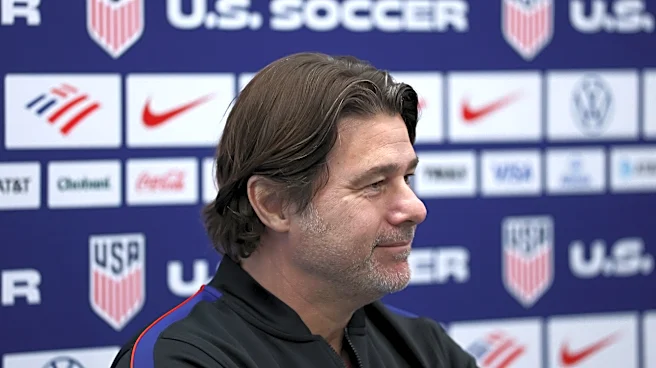
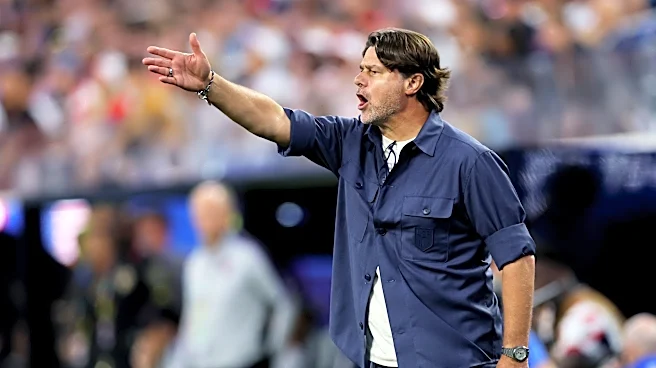
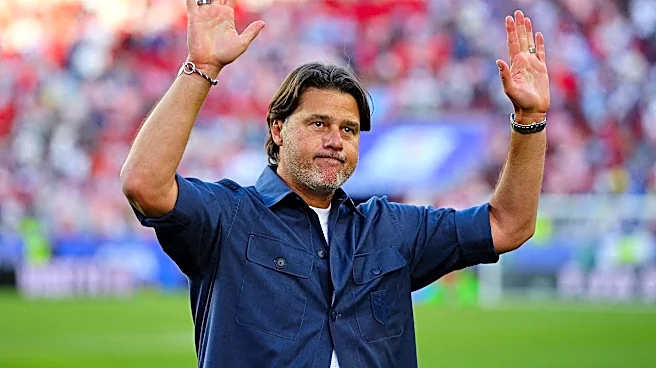
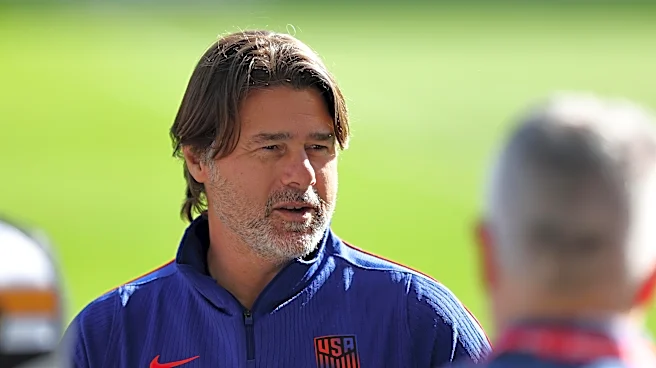
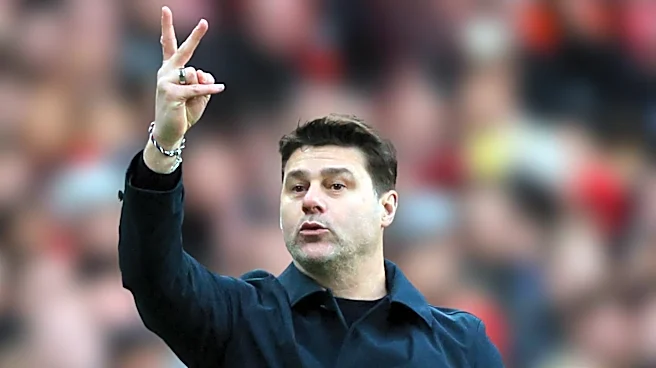
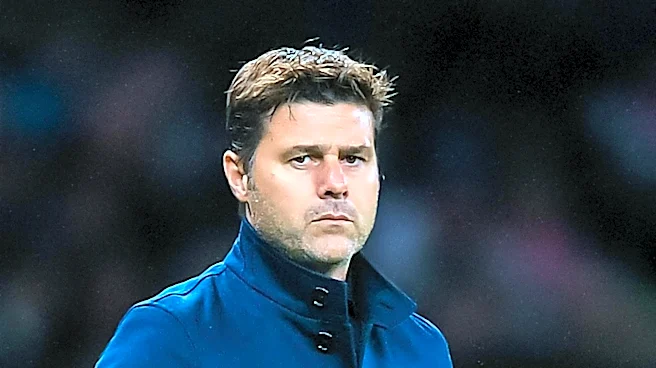
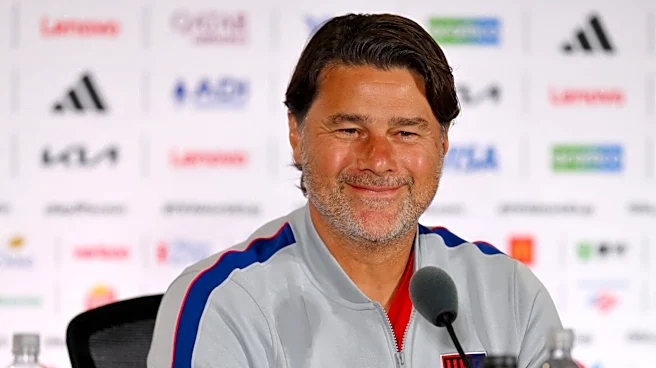
Mauricio Pochettino is set to leave his position as Head Coach of the U.S. Men’s National Team (USMNT) following the conclusion of the current camp. He will be taking on the role of Head Coach for Manchester United. U.S. Soccer announced this development,
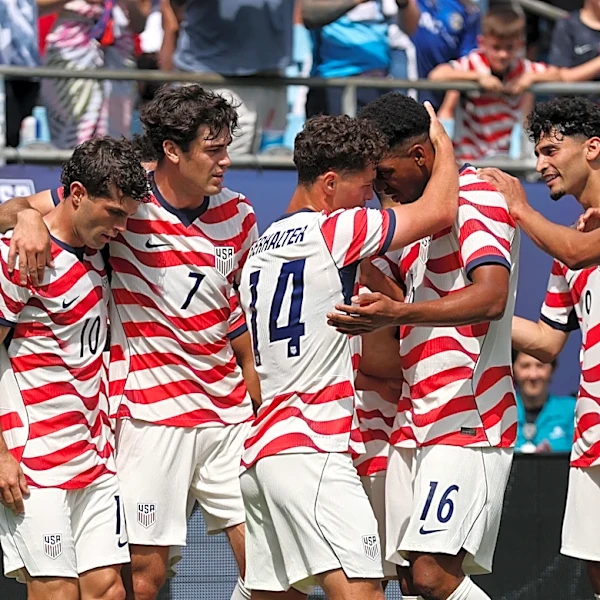
stating that Pochettino and his staff will coach the USMNT in their upcoming matches against Haiti on November 14 and 17. Pochettino was appointed USMNT head coach in September 2024 and, during his tenure, achieved a record of 21 wins, 12 losses, and two draws across 35 matches. Under his leadership, the United States reached the 2025 Concacaf Gold Cup Final and advanced to the Round of 16 at the 2026 FIFA World Cup, which was held on home soil. The USMNT also finished first in its World Cup group and secured its first knockout-round victory since 2002. With three victories in the tournament, Pochettino recorded the most World Cup wins of any head coach in USMNT history. U.S. Soccer CEO and Secretary General JT Batson acknowledged Pochettino's significant contributions, highlighting his leadership, professionalism, and commitment to the players and culture, which raised standards and strengthened connections within the program.
Why It's Important?
Pochettino's departure marks a significant transition for the USMNT, coming after a period of notable success, including a strong performance in the 2026 FIFA World Cup. His move to Manchester United, a prominent European club, underscores the global recognition of his coaching abilities but also creates a void for U.S. Soccer to fill. The search for a new head coach will be crucial for maintaining the momentum and progress achieved under Pochettino. The USMNT's recent achievements, such as reaching the Concacaf Gold Cup Final and advancing in the World Cup, have elevated the profile of soccer in the United States. A successful coaching transition is vital to continue developing young talent and building on the established culture and pathway within the Men’s National Team program. The decision will impact the team's strategic direction, player development, and overall competitiveness on the international stage, influencing fan engagement and the sport's growth in the U.S.
What's Next?
U.S. Soccer will immediately begin the search for Pochettino's successor. JT Batson and U.S. Soccer Chief Operating Officer Dan Helfrich, along with the soccer leadership team including Emma Hayes and Oguchi Onyewu, will lead this search, considering candidates from diverse backgrounds. The Federation aims to find a leader with the talent, experience, and belief to match their ambition and build upon the existing culture. Pochettino will remain responsible for all USMNT activities until the current camp concludes. Following his departure, Steve Cherundolo will lead the team’s previously scheduled December camp, which will primarily feature an MLS-based roster. This camp will also reflect increased alignment between the senior and Olympic programs, eliminating the need for a separate Under-23 camp in December. The focus for U.S. Soccer President Cindy Parlow Cone is on finding the right coaching staff to continue the team's progress and lead them to further success on the world stage.
Beyond the Headlines
Pochettino's move highlights the increasing interconnectedness of global soccer, where successful coaches in one national system can be quickly recruited by top-tier club teams. This trend can be both a boon and a challenge for national federations like U.S. Soccer. While it validates the quality of coaching and development within the USMNT program, it also means that successful leaders are susceptible to being poached by financially powerful European clubs. The emphasis on developing young talent and creating clearer connections between youth and senior national teams, as established under Pochettino, will be a critical legacy that the next coach must continue. This strategic approach is essential for the long-term sustainability and competitiveness of U.S. soccer, ensuring a continuous pipeline of skilled players. The departure also prompts a broader discussion about how national teams can retain top coaching talent amidst the allure of club football's resources and prestige.