




What's Happening?
Achieving a self-sufficient homestead in the U.S. involves a phased approach to producing food, water, heat, and energy on-site, while navigating various legal and practical considerations. Key to this lifestyle is securing reliable water sources, which
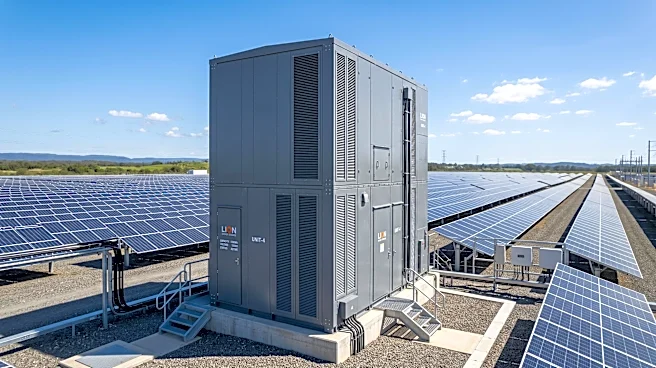
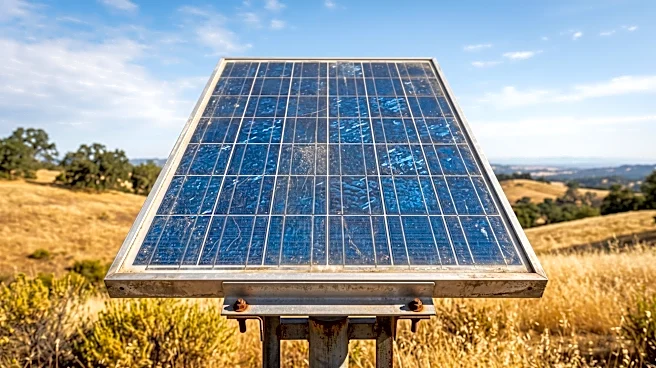
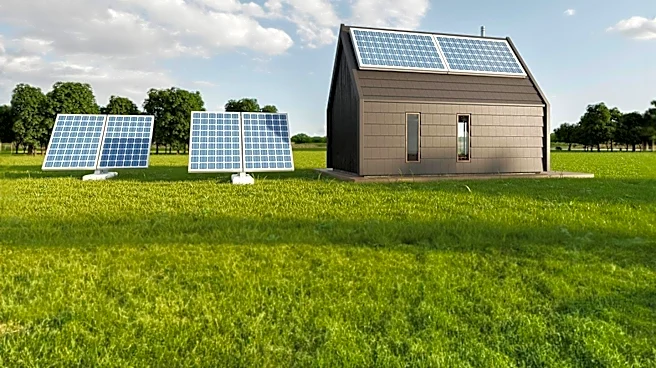
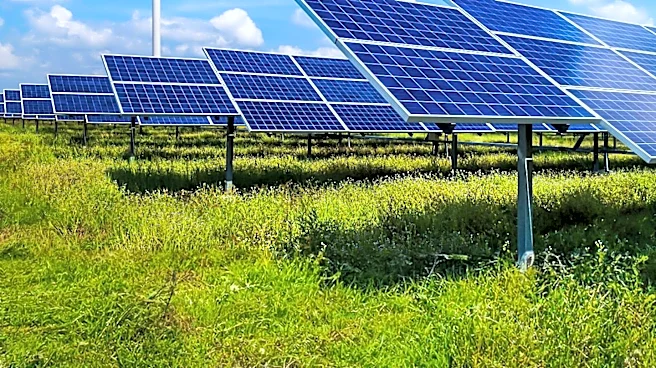
often include private wells, rainwater catchment, springs, or surface water, all requiring storage, filtration, and testing. Rainwater harvesting is legal in all states, though some, particularly in the arid West, impose conditions on storage volume, usage, or require permits. For energy, homesteaders prioritize efficiency, using good insulation and efficient appliances, and often rely on off-grid solar power with batteries and backup generators. Heating typically involves wood stoves fed from sustainable woodlots. Legal checks are paramount, as county zoning, livestock ordinances, state water rights, and well and septic permits dictate what a property can legally support. The process emphasizes starting small, such as with a garden and laying hens, and gradually expanding capabilities.
Why It's Important?
The pursuit of self-sufficient homesteading in the U.S. reflects a growing interest in food security, reduced reliance on external utilities, and a more sustainable lifestyle. This movement has significant implications for local economies, land use, and environmental practices. By emphasizing local food production and renewable energy, homesteaders contribute to decentralized food systems and reduce carbon footprints. However, the legal complexities surrounding water rights, zoning, and livestock ordinances highlight the challenges of integrating such practices within existing regulatory frameworks. The need for permits and compliance with state laws, particularly concerning rainwater harvesting and well water, underscores the importance of understanding local governance. This trend can influence demand for specific agricultural tools, renewable energy systems, and educational resources, while also potentially impacting rural land values and community development. The focus on resilience against droughts, freezes, and power outages also speaks to broader societal concerns about infrastructure reliability and climate change adaptation.
What's Next?
Individuals interested in self-sufficient homesteading are advised to begin with thorough legal checks, including county zoning, livestock ordinances, and state water rights, as these vary significantly by location. Soil testing and understanding the USDA Plant Hardiness Zone Map are crucial for effective gardening. Starting with a small garden and easy-to-manage livestock like laying hens is recommended before scaling up. For water, homesteaders should research state laws on rainwater harvesting and ensure proper filtration and testing for drinking water. Energy planning should prioritize efficiency and consider off-grid solar solutions with battery storage and backup generators. Continuous learning and phased implementation are emphasized, with tracking progress in food, water, energy, heat, and income categories. The availability of resources like Farm Service Agency (FSA) microloans for small farms and NRCS cost-share programs for high tunnels can support these endeavors, but applicants must confirm current eligibility and criteria.
Beyond the Headlines
The self-sufficient homesteading movement represents more than just a lifestyle choice; it embodies a philosophical shift towards greater autonomy and resilience in the face of modern societal vulnerabilities. It challenges conventional notions of consumption and production, promoting a deeper connection to natural resources and local ecosystems. The legal frameworks governing homesteading, particularly water rights and land use, often reflect historical contexts that may not fully accommodate contemporary sustainable practices. This can lead to legal battles and advocacy for policy changes that support decentralized living. Furthermore, the emphasis on skills such as food preservation, animal husbandry, and renewable energy system maintenance fosters a culture of practical knowledge and self-reliance, potentially influencing educational curricula and community development initiatives. The movement also raises questions about the balance between individual freedom and collective resource management, especially in areas with limited water or land, prompting ongoing debates about sustainable population density and resource allocation.