






What's Happening?
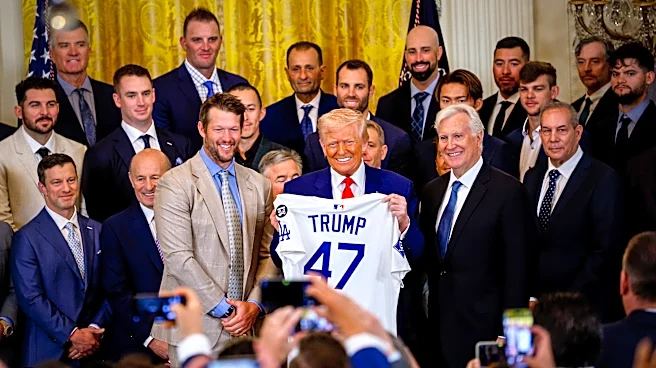
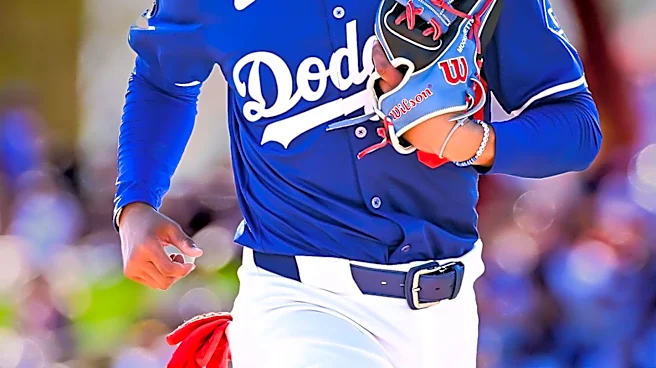
Mookie Betts, a prominent player for the Los Angeles Dodgers, has announced that he will not attend the team's upcoming visit to the White House. This visit is a traditional celebration for their World Series championship. Betts clarified that his decision
is not politically motivated but rather a personal choice to spend time with his family, especially after the recent birth of his child. Despite attending the White House visit after the 2024 title, Betts emphasized that his current decision is based on personal priorities rather than political statements. The Dodgers have faced criticism in the past for their White House visits, particularly from those who oppose President Trump's administration. Betts acknowledged that his decision would be scrutinized regardless of his choice, highlighting the challenges athletes face when their personal decisions intersect with public expectations.
Why It's Important?
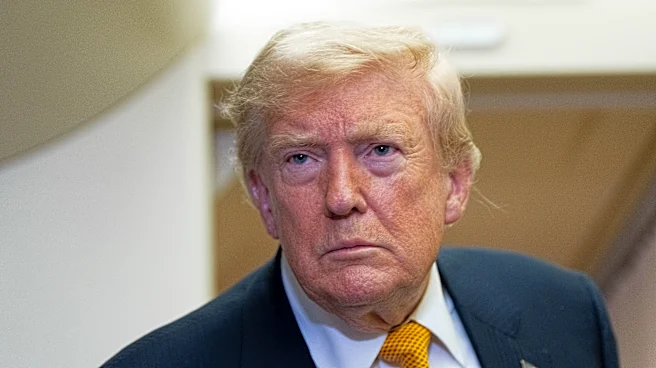
The decision by Mookie Betts to skip the White House visit underscores the ongoing tension between sports and politics in the U.S. While the visit is traditionally a non-political celebration, it has become a focal point for political discourse, especially under President Trump's administration. Betts' choice reflects a broader trend where athletes are increasingly navigating personal and political pressures. This situation highlights the complex dynamics athletes face, balancing personal life, public expectations, and potential political implications. The Dodgers, as a high-profile team, are at the center of this intersection, with their actions often scrutinized by both fans and critics. Betts' decision may influence other athletes facing similar choices, potentially reshaping how sports teams engage with political traditions.
What's Next?
As the Dodgers prepare for their White House visit, attention will likely shift to other team members and their decisions regarding attendance. The team's management, including manager Dave Roberts, has expressed a desire to maintain focus on their championship achievements rather than political controversies. However, individual players' choices will continue to attract media attention, potentially influencing public perception of the team. The Dodgers' visit may also prompt discussions within the sports community about the role of political events in athletic celebrations. As the visit approaches, the team will need to navigate these dynamics while preparing for the remainder of their season.