




What's Happening?
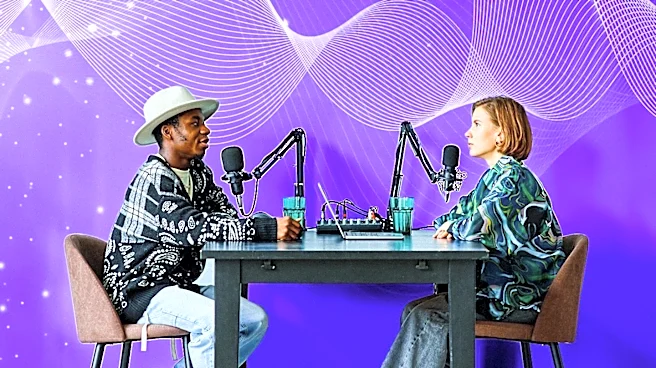
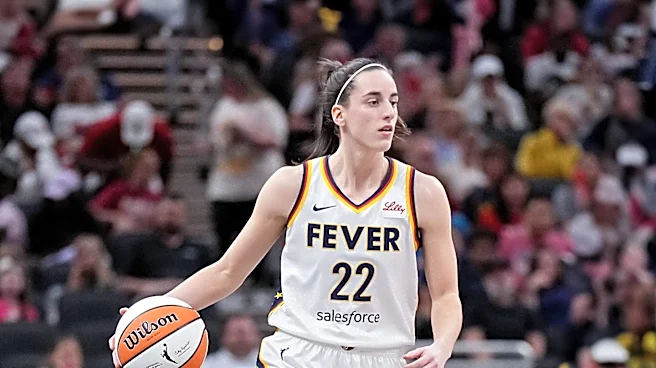
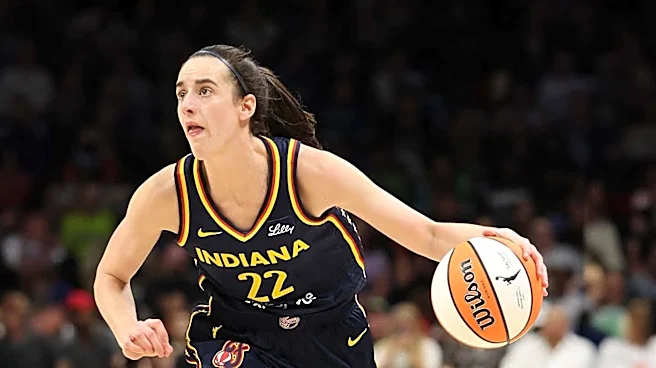
WNBA player Sophie Cunningham recently appeared on Theo Von's 'This Past Weekend' podcast, where she addressed various aspects of her professional and personal life. Cunningham, an Indiana Fever guard, discussed the role of drama within the WNBA, asserting
that it contributes positively to the league's appeal rather than detracting from it. She noted that while there might be 'tea and drama' behind the scenes, it ultimately makes the product better by engaging fans who are aware of the ongoing narratives. Cunningham also shared insights into her personal coping mechanisms for intense public scrutiny, emphasizing her reliance on faith. She stated that her faith provides stability amidst both praise and criticism, allowing her to remain authentic and unconcerned with external opinions. The discussion also touched upon the professional focus of players, who, despite personal issues, maintain their commitment to the game once on the court.
Why It's Important?
Sophie Cunningham's candid remarks offer a unique perspective on the intersection of professional sports, public perception, and personal resilience. Her view that WNBA drama enhances the league's entertainment value challenges conventional notions that internal conflicts are detrimental to a sport's image. This perspective could influence how sports leagues, particularly those with growing fan bases like the WNBA, manage and leverage player narratives. Furthermore, Cunningham's open discussion about her faith as a source of stability highlights the increasing willingness of public figures to share their personal beliefs, potentially resonating with fans who seek authenticity from athletes. This transparency can foster deeper connections between players and their audience, potentially boosting fan engagement and loyalty. For the WNBA, embracing such discussions could contribute to a more dynamic and relatable public image, attracting new viewers and strengthening its position in the competitive sports landscape.
What's Next?
As Sophie Cunningham is set to become an unrestricted free agent after the 2026 season, her public statements and personal brand could play a role in her future career decisions and endorsements. Her willingness to engage in open dialogue about sensitive topics, including league dynamics and personal faith, might make her an attractive figure for teams looking for players with strong personalities and community connections. The WNBA itself may observe the public reaction to Cunningham's comments to gauge how discussions around player drama and personal lives impact viewership and fan interest. This could lead to further integration of player narratives into promotional strategies, potentially shaping how the league presents its athletes and their stories to a broader audience. Future podcast appearances or media engagements by other WNBA players might follow suit, encouraged by Cunningham's example of transparent communication.
Beyond the Headlines
Cunningham's comments delve into the broader cultural phenomenon of reality-show-like elements permeating professional sports. Her assertion that 'drama' makes the WNBA 'better' reflects a societal shift where audiences are increasingly drawn to the personal lives and interpersonal dynamics of public figures, not just their professional performances. This trend raises questions about the evolving nature of sports entertainment and the boundaries between athletes' public and private lives. Ethically, it prompts consideration of how much personal information athletes are expected or encouraged to share, and the potential pressures they face to maintain an engaging public persona. Legally, it could influence discussions around player contracts and media obligations, particularly concerning the portrayal of personal relationships. Culturally, it signifies a move towards a more holistic consumption of sports, where the 'story' surrounding the game is as compelling as the game itself, potentially reshaping fan expectations and media coverage across professional leagues.