


What's Happening?
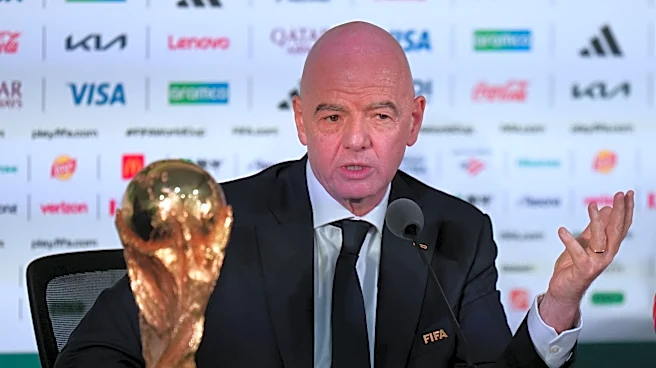
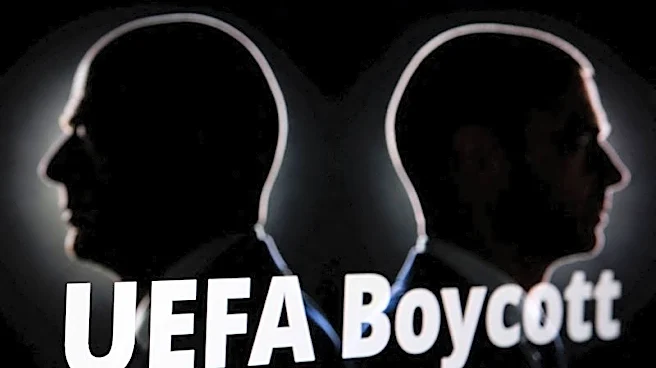
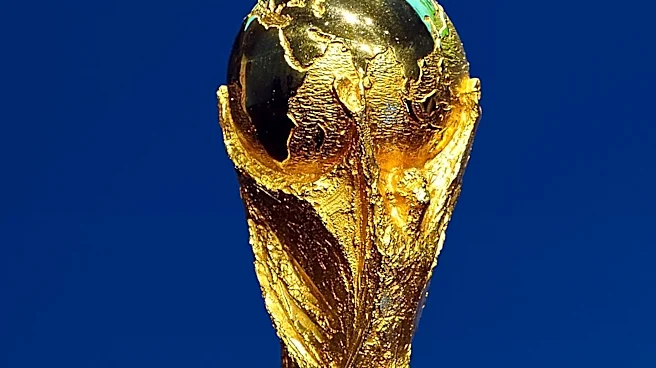
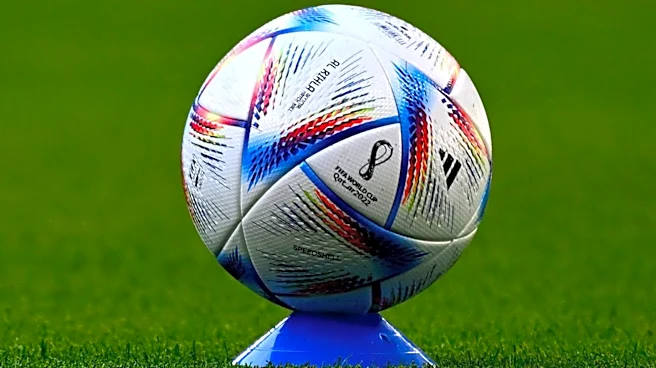
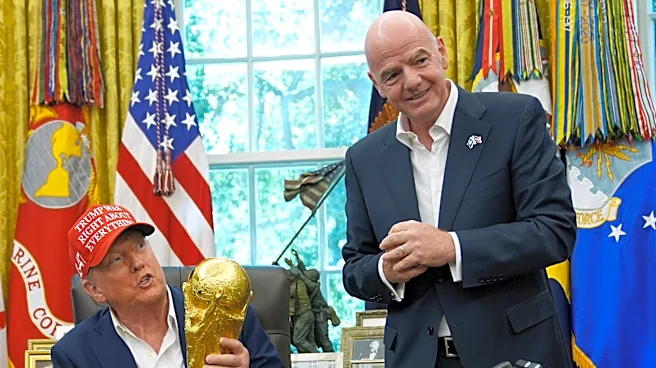
UEFA has declared a boycott of FIFA tournaments in response to President Gianni Infantino's proposal to sell stakes in the World Cup. This decision was made during an emergency meeting of UEFA's 55 members, who unanimously opposed the plan. The boycott includes
upcoming FIFA events such as the Women's World Cup in Brazil and other youth tournaments. UEFA's action is supported by the English FA and other European associations, who argue that the World Cup should remain under football's control. CONCACAF has also expressed concerns over the lack of transparency in Infantino's proposal, although they have not announced a boycott.
Why It's Important?
The boycott by UEFA could significantly impact FIFA's plans to attract private investment in the World Cup. European teams are crucial to the tournament's success, as evidenced by their dominance in recent competitions. Without their participation, the attractiveness of the World Cup to investors diminishes. This move by UEFA highlights the growing tension between European football authorities and FIFA, potentially leading to a reevaluation of how international tournaments are governed. The decision also reflects broader concerns about the commercialization of football and the preservation of its traditional values.
What's Next?
Infantino faces pressure to address the concerns raised by UEFA and other confederations. He will need to engage with stakeholders to find a resolution that satisfies both FIFA's financial goals and the interests of member associations. The upcoming Women's World Cup qualifiers will test UEFA's commitment to the boycott, as European teams are scheduled to participate. The situation may evolve depending on Infantino's response and the willingness of other confederations to join UEFA's stance.
Beyond the Headlines
The boycott raises questions about the future of international football governance. UEFA's willingness to challenge FIFA's authority could inspire other confederations to assert their influence. This situation underscores the need for transparent decision-making processes within FIFA and highlights the potential for alternative tournament structures led by UEFA. The controversy also reflects broader debates about the balance between commercial interests and the integrity of sports.