




What's Happening?
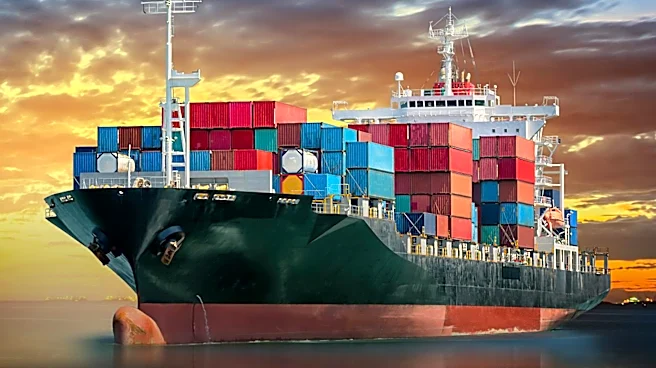
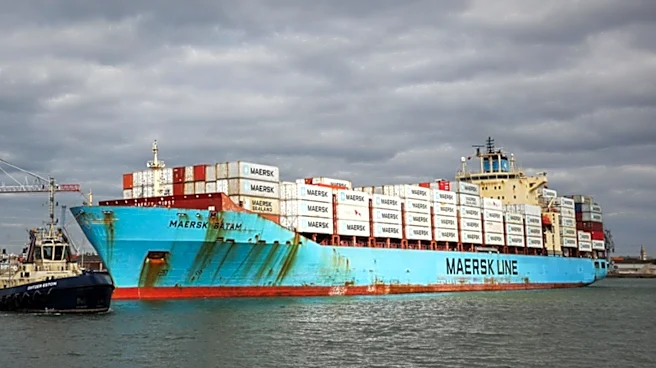
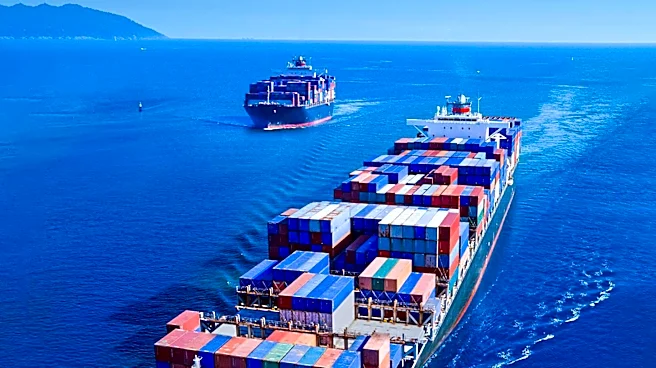
The container shipping industry is facing a significant challenge of looming overcapacity, primarily driven by accelerated fleet growth and a potential normalization of shipping routes. According to BIMCO, container vessel capacity is projected to grow by 4.6
percent in 2026 and a substantial 9 percent in 2027. The current capacity has reached 34 million TEU, with an orderbook exceeding 14 million TEU, representing 42 percent of the existing fleet. While a modest 140,000 TEU of vessel recycling is anticipated, 1.6 million TEU of capacity is on vessels older than 25 years, suggesting potential for further recycling. The return of major carriers to the Suez-Red Sea routing, after disruptions, is expected to free up significant capacity. BIMCO estimates that if this gradual normalization continues through 2027, ship demand growth could be five percentage points lower than forecast, potentially dropping by 10 percent if routings fully normalize compared to the Cape of Good Hope alternative.
Why It's Important?
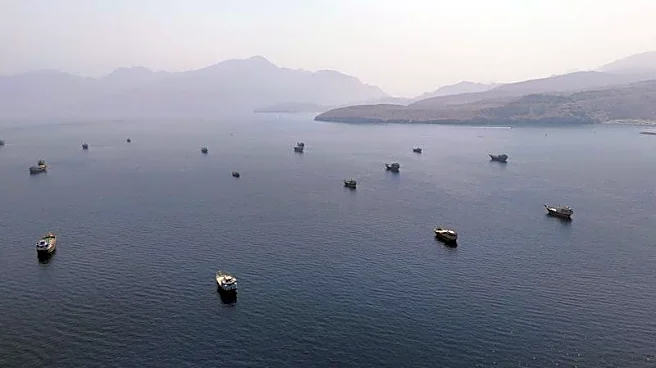
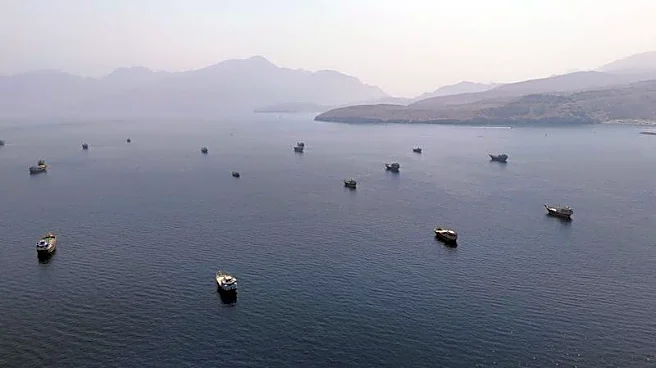
The impending overcapacity in container shipping has critical implications for global trade, freight rates, and the profitability of shipping lines. An imbalance where supply outpaces demand typically leads to downward pressure on freight rates, impacting carriers' revenues and potentially triggering price wars. This could benefit importers and consumers through lower shipping costs but could also lead to financial strain for shipping companies, potentially forcing consolidation or even bankruptcies. The situation is further complicated by ongoing geopolitical factors, such as the Strait of Hormuz, which remains a 'wild card' and could significantly reduce container demand growth if disruptions continue. The industry is also seeing vessels averaging slower speeds, possibly to save fuel, which could be a strategy to manage capacity and costs. The weakening supply/demand balance in 2027, as warned by BIMCO Chief Shipping Analyst Niels Rasmussen, signals a challenging period ahead for the sector.
What's Next?
Container carriers are likely to implement various strategies to mitigate the effects of overcapacity. These could include further reductions in vessel speeds to save fuel and manage available capacity, as BIMCO forecasts for 2027. Increased vessel recycling, particularly of older ships, might also accelerate to balance the influx of new builds. The industry will closely monitor the geopolitical situation, especially in critical chokepoints like the Strait of Hormuz, as continued disruptions could alter demand forecasts. Negotiations for future contracts will be heavily influenced by the supply-demand dynamics, potentially leading to more favorable terms for shippers. The long-term outlook for the container shipping market will depend on the industry's ability to adapt to these capacity shifts, manage operational costs, and navigate geopolitical uncertainties, while also considering environmental regulations and the transition to greener fuels.
Beyond the Headlines
The looming overcapacity in container shipping highlights the cyclical nature of the industry and the challenges of long-term investment planning in a volatile global economy. The massive orderbook for new vessels, driven by earlier periods of high demand and profitability, is now converging with a potential slowdown in demand and the normalization of routes. This situation can trigger a 'race to the bottom' in terms of pricing, impacting not only carriers but also port operators, logistics providers, and even shipbuilders. The environmental implications are also significant; while slower speeds can reduce emissions, the sheer volume of new vessels could counteract some decarbonization efforts. This scenario underscores the need for greater foresight and coordination within the industry to avoid boom-and-bust cycles, promoting more sustainable growth and stability in global supply chains. The interplay of economic, geopolitical, and environmental factors will continue to shape the future of maritime transport.