






What's Happening?
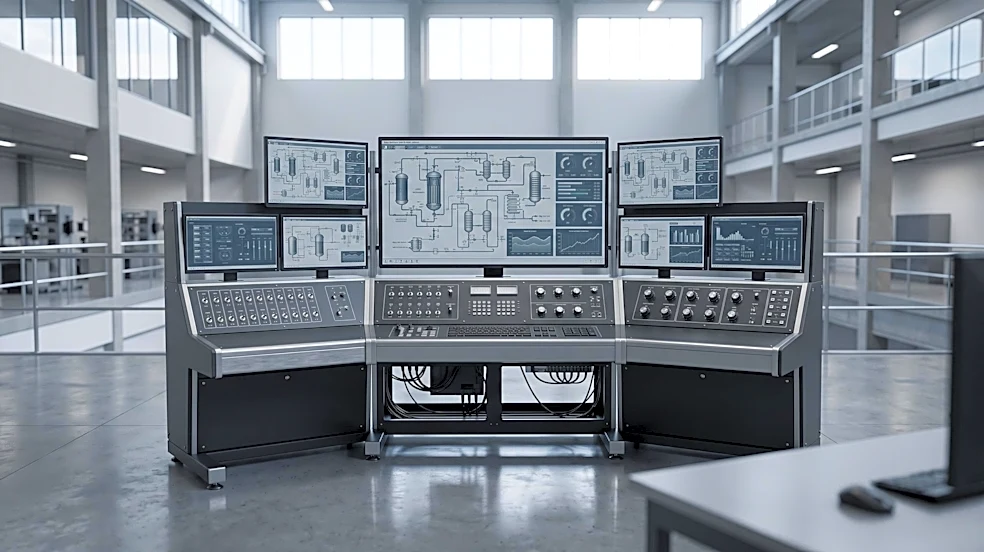
Curtiss-Wright Corporation has successfully installed its Stage 1 Training Simulator at TerraPower’s Natrium advanced nuclear site located in Wyoming. This simulator utilizes Curtiss-Wright’s 3KEYMASTER simulation platform, which is designed to facilitate
operator training and licensing procedures for the Natrium project. The system is engineered to accurately represent TerraPower’s utility-scale plant concept, which integrates a nuclear reactor with molten salt-based energy storage technology. This development highlights Curtiss-Wright's role in providing both hardware and digital tools for advanced reactor operations, reinforcing its expertise in safety, controls, and training solutions for the nuclear industry. The company is also slated to work on the Natrium Distributed Control Systems and Reactor Protection System.
Why It's Important?
The completion of this simulator is significant for the U.S. nuclear energy sector, particularly for the advancement of next-generation nuclear technologies. TerraPower's Natrium project represents a key initiative in developing advanced nuclear reactors, which are seen as crucial for decarbonizing the energy grid and ensuring energy security. Curtiss-Wright's involvement underscores the growing demand for specialized training, control, and safety solutions as these innovative reactors move from design to operational phases. This project could set a precedent for how future advanced nuclear plants are developed and operated, potentially influencing regulatory frameworks and training standards across the industry. For Curtiss-Wright, it solidifies its position as a critical supplier in the commercial nuclear market, expanding its portfolio beyond traditional engineered systems to include advanced digital simulation tools.
What's Next?
The immediate next steps for the Natrium project will involve utilizing the Stage 1 simulator for operator training and licensing activities, which are essential for the plant's eventual operation. Future developments will likely include progress to subsequent simulator phases and updates on the delivery timelines for the Distributed Control Systems (DCS) and Reactor Protection System (RPS) from Curtiss-Wright. Investors will be closely watching how Natrium-related orders and milestones are reflected in Curtiss-Wright’s backlog and commercial nuclear segment disclosures through 2027. Successful implementation and operation of this simulator could lead to further contracts for Curtiss-Wright in the advanced nuclear sector, potentially establishing its simulation platform as a standard for other advanced reactor designs.
Beyond the Headlines
This development extends beyond a mere technological installation; it signifies a critical step in the broader U.S. strategy for energy independence and climate change mitigation. The Natrium project, with its molten salt energy storage, aims to provide flexible, on-demand power, addressing the intermittency challenges of renewable energy sources. Curtiss-Wright's simulation technology is vital for ensuring the safe and efficient operation of such complex systems, which are often first-of-a-kind designs. The successful deployment and training facilitated by this simulator could accelerate the adoption of advanced nuclear technologies, influencing public perception and policy towards nuclear power as a reliable and clean energy source. It also highlights the increasing integration of digital solutions in critical infrastructure, emphasizing the importance of cybersecurity and advanced control systems in the energy sector.