





What's Happening?
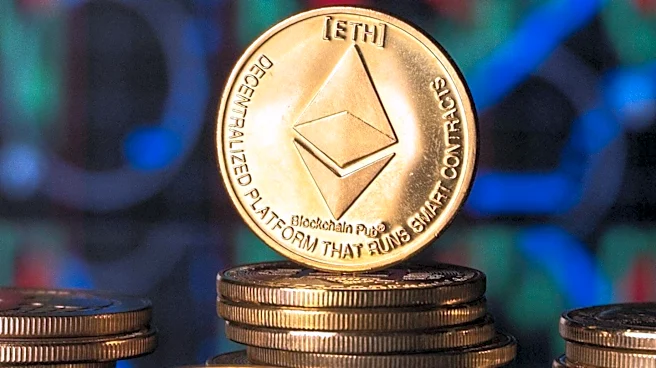
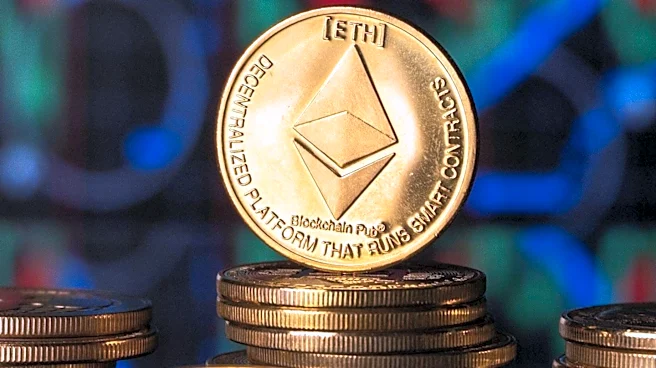
Bitcoin has fallen to its lowest price in nearly three months, dropping as much as 3% to $72,695, effectively erasing gains made over the past three months. This decline has impacted the broader cryptocurrency market, with Ether and XRP experiencing drops
of over 5%, and Zcash plunging by approximately 14%. The primary catalyst for this downturn is stronger-than-expected U.S. inflation data, which has intensified expectations of further interest rate hikes by the Federal Reserve. Higher interest rates typically reduce investor appetite for riskier assets like cryptocurrencies. In a separate but contributing development, 14 publicly traded companies have collectively sold an estimated $8.08 billion in Bitcoin during 2026. Mara Holdings led these corporate sales, significantly contributing to the selling pressure in the market. This combination of macroeconomic factors and substantial corporate divestment has created a challenging environment for Bitcoin's price stability.
Why It's Important?
This significant drop in Bitcoin's price is important as it reflects a broader market reaction to U.S. economic indicators and corporate financial strategies. The stronger-than-expected inflation data signals that the Federal Reserve may maintain or even increase interest rates, making traditional, less risky investments more attractive compared to volatile assets like Bitcoin. This shift in monetary policy directly impacts the cost of borrowing and the overall investment climate, potentially leading to a sustained period of caution among investors. Furthermore, the substantial sale of Bitcoin by publicly traded companies, particularly by major players like Mara Holdings, indicates a potential re-evaluation of cryptocurrency holdings within corporate portfolios. This could signal a trend where companies prioritize liquidity or de-risk their balance sheets, adding further downward pressure on Bitcoin's value and potentially influencing other institutional investors to follow suit. The event highlights the interconnectedness of traditional economic policies and the cryptocurrency market.
What's Next?
The immediate future for Bitcoin will largely depend on upcoming U.S. inflation reports and the Federal Reserve's subsequent monetary policy decisions. If inflation remains elevated, further interest rate hikes could be anticipated, likely extending the downward pressure on Bitcoin and other cryptocurrencies. Investors will closely monitor the Fed's communications for any indications of future rate adjustments. Additionally, the market will be watching for continued corporate Bitcoin sales, as further divestments could exacerbate price declines. Conversely, any signs of easing inflation or a more dovish stance from the Federal Reserve could provide some relief and potentially trigger a rebound. The demand from Bitcoin Exchange-Traded Funds (ETFs) will also be a critical factor; sustained ETF inflows could help stabilize prices, while continued outflows would add to selling pressure. The cryptocurrency market remains highly sensitive to these macroeconomic and institutional developments.
Beyond the Headlines
Beyond the immediate price fluctuations, this event underscores the evolving maturity and integration of the cryptocurrency market into the broader financial ecosystem. Bitcoin's sensitivity to traditional economic indicators like inflation and interest rates demonstrates that it is increasingly being treated as a mainstream asset rather than a niche, uncorrelated investment. This integration means that macroeconomic stability in the U.S. will have a more direct and pronounced impact on Bitcoin's valuation. The significant corporate sales also highlight a potential shift in how publicly traded companies manage their crypto assets. While some initially acquired Bitcoin for strategic reasons, ongoing sales suggest a more dynamic and perhaps less bullish long-term view from certain corporate entities. This could lead to increased scrutiny of corporate crypto holdings and influence future investment decisions by other companies, potentially shaping the institutional adoption trajectory of cryptocurrencies.