






What's Happening?
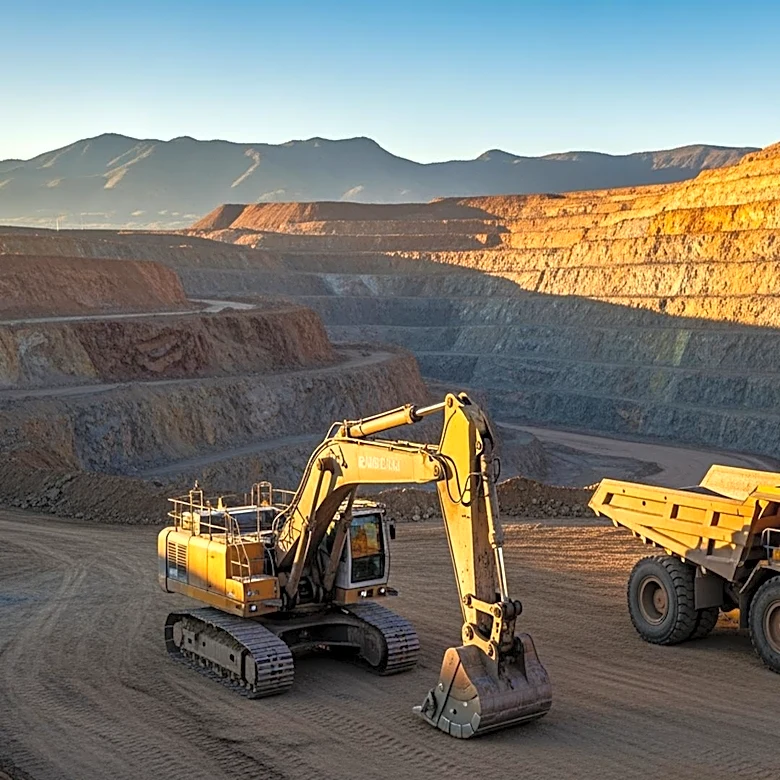
Vizsla Copper has launched a 10,000-meter diamond drilling program at its Palmer volcanogenic massive sulphide project located in southeastern Alaska, USA. This initiative marks the first phase of a fully financed 2026 exploration program aimed at expanding
the project's critical mineral resource base. The drilling is currently focused on the South Wall zone of the Palmer deposit, where previous explorations have identified a high-grade copper-rich core. The program is designed to build upon recent exploration successes and evaluate several priority targets across the Palmer district. Later in the season, the drilling will target two additional prospects, the HG and Waterfall prospects, which are believed to have significant mineralization potential.
Why It's Important?
The commencement of drilling at the Palmer project is significant for the U.S. mining industry as it aims to expand the country's mineral resource base, particularly in critical minerals like copper and zinc. These minerals are essential for various industries, including technology and renewable energy. The success of this project could enhance the supply of these critical minerals, potentially reducing reliance on imports and supporting domestic industries. Additionally, the project could contribute to local economic development in Alaska through job creation and increased economic activity in the region.
What's Next?
As the drilling program progresses, Vizsla Copper plans to evaluate additional targets within the Palmer district. The focus will be on expanding high-grade mineralization at the South Wall deposit and assessing the potential of the HG and Waterfall prospects. The outcomes of these explorations could lead to further development phases, including resource estimation updates and potential feasibility studies. Stakeholders, including local communities and industry partners, will likely monitor the project's progress closely, given its potential economic and strategic importance.