


What's Happening?
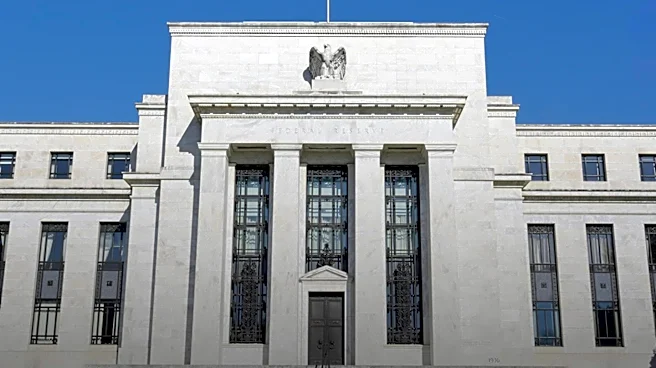
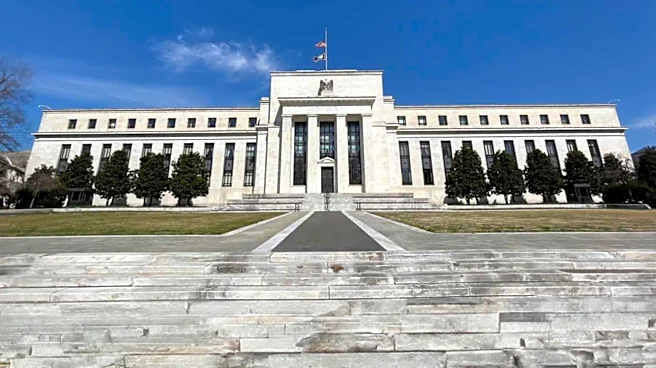
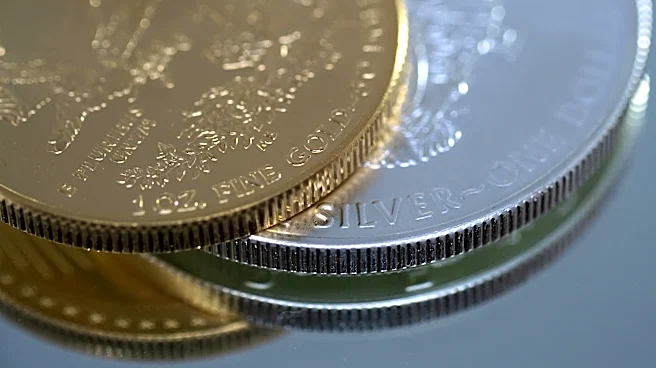
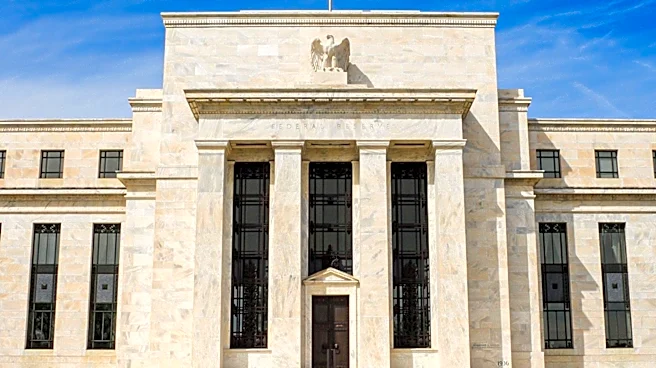
Gold prices are experiencing a downturn, falling below $4,000 per ounce, as expectations for Federal Reserve interest rate hikes intensify and the U.S. dollar strengthens. According to precious metals analysts at Heraeus, gold gave back most of its previous
week's gains, with prices weakening sharply after the U.S. Consumer Price Index (CPI) release. October's CPI rose by 0.4% month-on-month, exceeding expectations, and core inflation increased by 0.3% for the third consecutive month. This data has reinforced market expectations for continued monetary tightening, with a 25 basis point hike in December now fully anticipated, and a 10% probability assigned to a 50 basis point move. Two-year Treasury yields have risen, and 10-year real yields are back above 2.8%, indicating that markets expect tightening to extend beyond December. Silver prices have also weakened, approaching year-to-date lows, despite a significant drop in price, physical demand for silver products has not seen a material increase.
Why It's Important?
The decline in gold prices, driven by the Federal Reserve's hawkish stance, signals a challenging period for precious metals investors. Higher interest rates increase the opportunity cost of holding non-yielding assets like gold, making interest-bearing investments more attractive. A stronger U.S. dollar also typically weighs on gold, as it makes the metal more expensive for holders of other currencies. This trend could impact investment portfolios, particularly those seeking safe-haven assets. For the broader U.S. economy, the Fed's aggressive approach to combating inflation, as indicated by the CPI data and market expectations, aims to stabilize prices but carries risks of slowing economic growth. The lack of increased physical demand for silver despite lower prices suggests that investors are awaiting clearer signs of price stabilization before re-entering the market, reflecting a cautious sentiment in the precious metals sector.
What's Next?
The market will continue to closely monitor economic data, particularly inflation reports and employment figures, as these will heavily influence the Federal Reserve's future policy decisions. The anticipated 25 basis point rate hike in December is a key event, and any deviation from this expectation could significantly impact gold and silver prices. Further tightening by the Fed, especially if core inflation remains elevated, is firmly on the table. However, a sustained fall in crude oil prices, as observed recently, could eventually ease inflationary pressures, potentially altering the Fed's trajectory in the longer term. Investors will be watching for any signals from the Fed that indicate a potential end to the tightening cycle, which could provide a turning point for precious metals.
Beyond the Headlines
The current market dynamics underscore the intricate relationship between monetary policy, inflation, and investor behavior in the precious metals market. The Fed's focus on price stability, while necessary, creates headwinds for assets traditionally seen as inflation hedges. The muted physical demand for silver, even with lower prices, suggests a shift in investor psychology, where the expectation of further price declines or the allure of higher-yielding alternatives outweighs the perceived value of physical assets. This situation highlights the evolving role of precious metals in a high-interest-rate environment, where their traditional safe-haven appeal is temporarily overshadowed by the immediate impact of monetary policy. The long-term implications could include a re-evaluation of gold and silver's role in diversified portfolios, depending on how effectively the Fed manages to control inflation without triggering a significant economic downturn.