
What's Happening?
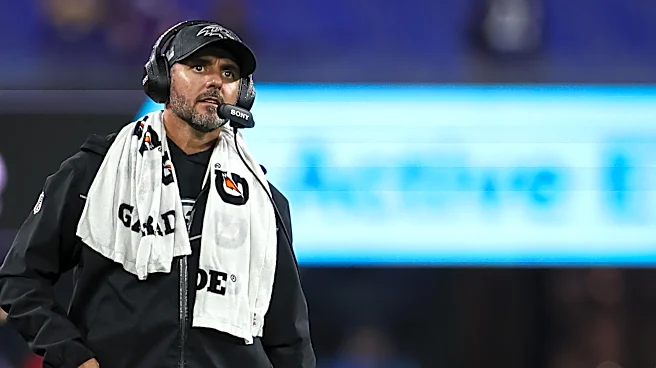
The Baltimore Ravens' General Manager, Eric DeCosta, is facing scrutiny amidst the team's 4-6 season, with many fans calling for his dismissal. However, Lamar Jackson's ongoing contract situation is emerging
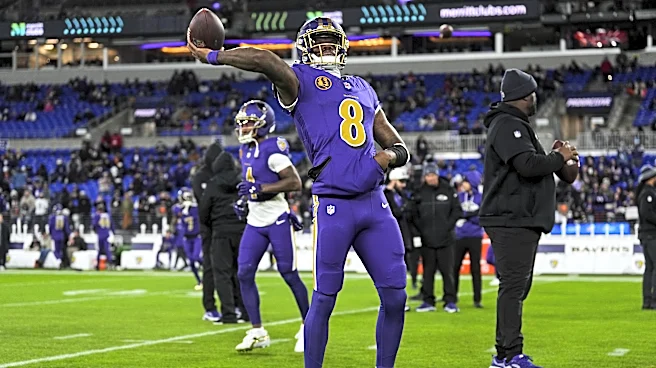
as a significant factor that could influence owner Steve Bisciotti's decision regarding DeCosta's future. Jackson has one guaranteed year remaining on his contract with an $83.4 million cap hit, a figure deemed unsustainable for team building. The Ravens need to secure a long-term extension with Jackson that is financially viable for both parties. The relationship between Jackson and DeCosta is reportedly strong, with a history of successful negotiations, including a deal in 2023. This established trust is considered crucial, especially given that Jackson does not have an agent, making contract discussions inherently different from those with other players. The potential disruption of bringing in a new general manager who lacks a pre-existing relationship with Jackson is a major concern for the franchise.
Why It's Important?
The decision regarding Eric DeCosta's employment carries substantial implications for the Baltimore Ravens' immediate future and long-term stability. Lamar Jackson is considered central to the franchise's success, with the team's performance significantly declining in his absence. Securing Jackson to a new, team-friendly contract is paramount for the Ravens to remain competitive and pursue deep playoff runs. A change in general manager could complicate these critical negotiations, potentially leading to a less favorable outcome for the team or, in a worst-case scenario, Jackson's departure. The continuity provided by DeCosta, who has a built-up rapport and trust with Jackson, is seen as a key asset in navigating these complex discussions. The outcome will directly impact the team's salary cap flexibility, its ability to attract and retain other talent, and ultimately its on-field performance for years to come.
What's Next?
The Baltimore Ravens face the immediate challenge of deciding Eric DeCosta's fate as general manager while simultaneously addressing Lamar Jackson's contract extension. The team's performance for the remainder of the season will likely influence fan sentiment and potentially ownership's perspective on DeCosta. However, the overriding factor appears to be the need to secure Jackson's long-term commitment. If keeping DeCosta increases the likelihood of a successful extension with Jackson, it is highly probable that he will retain his position. Conversely, if there is any indication that Jackson has lost faith in DeCosta, a change could be considered. The upcoming offseason will be critical for the Ravens as they aim to finalize a new deal with Jackson, which will dictate their strategic approach to roster construction and future competitiveness. The ongoing dialogue between Jackson and DeCosta will be closely watched as the team navigates these pivotal decisions.
Beyond the Headlines
The situation highlights the evolving dynamics of player-front office relationships in professional sports, particularly when a star player operates without an agent. Lamar Jackson's direct involvement in his contract negotiations places a unique emphasis on his personal relationship with the general manager. This scenario underscores that trust and established rapport can be as significant as financial terms in securing long-term commitments from elite athletes. The Ravens' dilemma also reflects a broader trend in sports where the value of a franchise quarterback can supersede traditional performance metrics for front office personnel. The potential decision to retain a general manager, despite fan dissatisfaction, primarily to facilitate a star player's contract, sets a precedent for how teams might prioritize player relationships in high-stakes negotiations. This could influence future contract strategies across the league, emphasizing the cultivation of strong personal bonds between key players and team leadership.