



What's Happening?
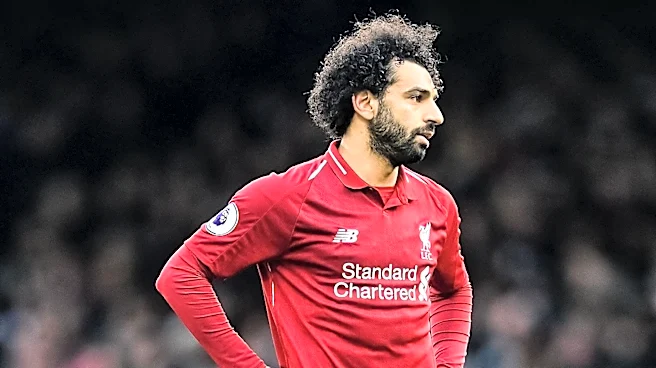
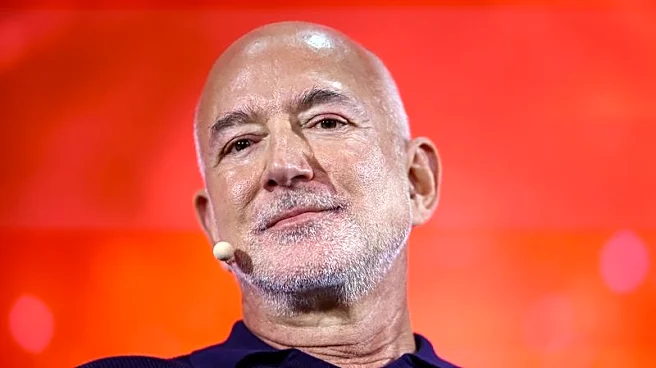
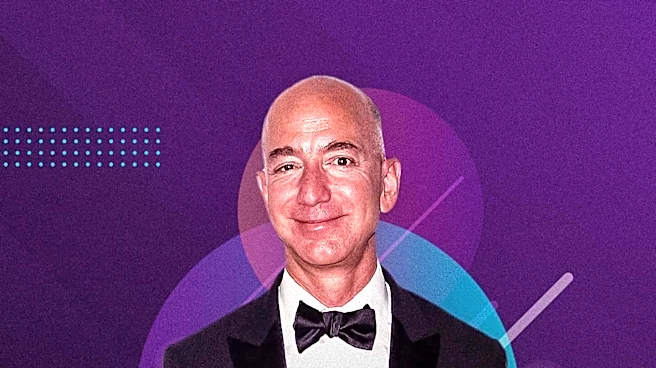
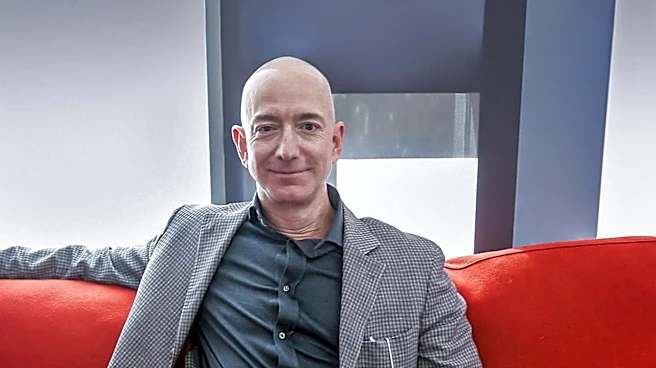
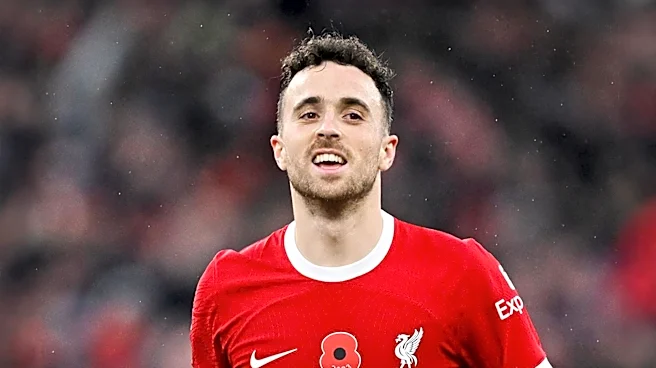
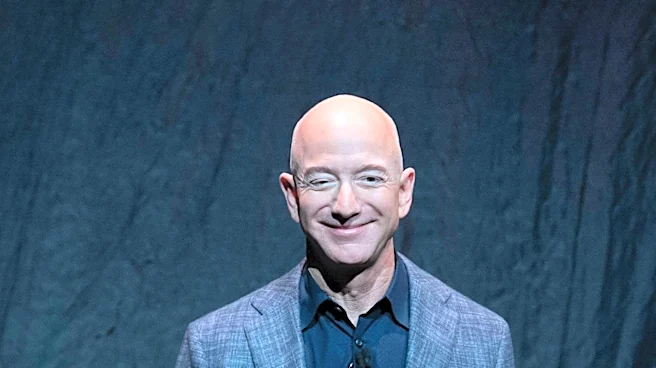
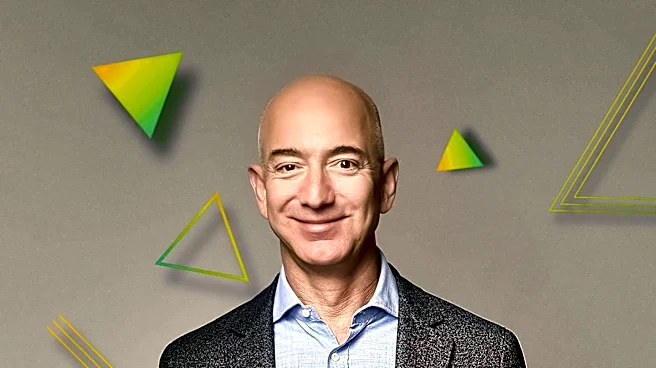
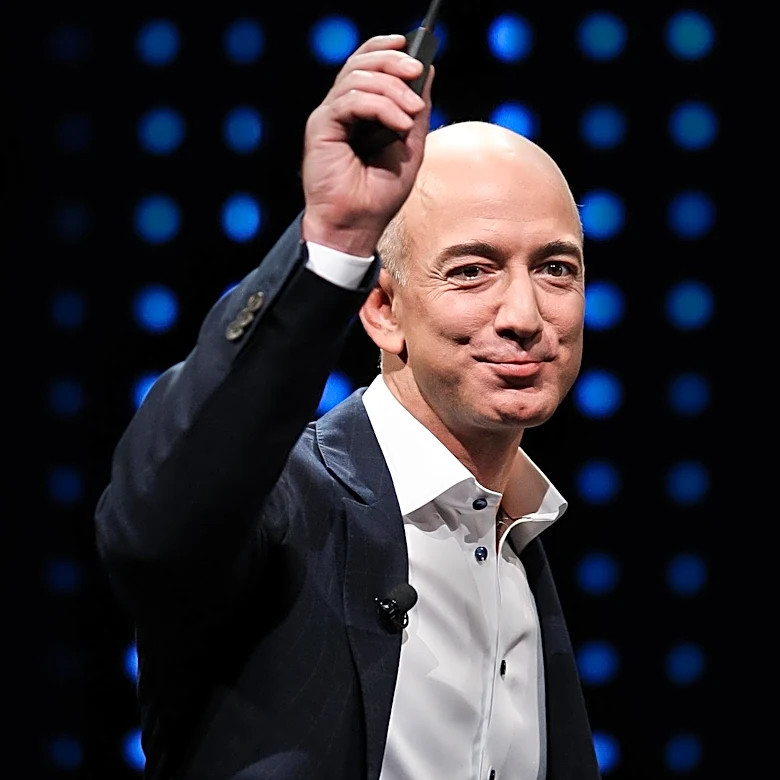
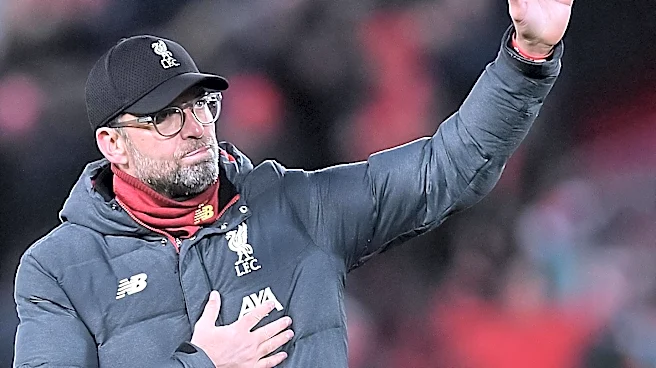
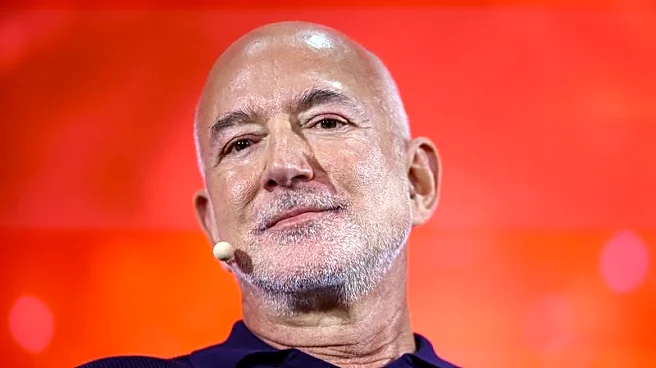
Amazon founder Jeff Bezos is reportedly close to finalizing a £1.5 billion deal to acquire a minority stake in Liverpool Football Club. The deal is part of a consortium led by Amit Bhatia, who is the son-in-law of billionaire Lakshmi Mittal. The consortium also
includes Facebook co-founder Eduardo Saverin. The potential acquisition is expected to be announced soon, possibly within the week. This move marks a significant investment in the sports industry by Bezos, who has been expanding his business interests beyond Amazon. The acquisition would provide Liverpool FC with substantial financial backing, potentially enhancing the club's competitive edge in the Premier League and European competitions.
Why It's Important?
The acquisition of a minority stake in Liverpool FC by Jeff Bezos and his consortium could have significant implications for the sports industry and the club itself. For Liverpool, the influx of capital could be used to strengthen the team, invest in infrastructure, and enhance global marketing efforts. This could improve the club's performance and brand value. For Bezos, this investment diversifies his portfolio and aligns with a growing trend of tech billionaires investing in sports franchises. It highlights the increasing intersection of technology and sports, as well as the potential for tech-driven innovations in sports management and fan engagement. The deal also underscores the global appeal and financial potential of Premier League clubs.
What's Next?
If the deal is finalized, Liverpool FC could see immediate financial benefits, allowing for strategic investments in player acquisitions and club facilities. The involvement of high-profile investors like Bezos and Saverin may also attract additional sponsorships and partnerships, further boosting the club's revenue streams. The sports industry will be watching closely to see how this investment influences Liverpool's operations and performance. Additionally, this move may inspire other tech entrepreneurs to explore similar investments in sports franchises, potentially reshaping the landscape of sports ownership and management.