
What's Happening?
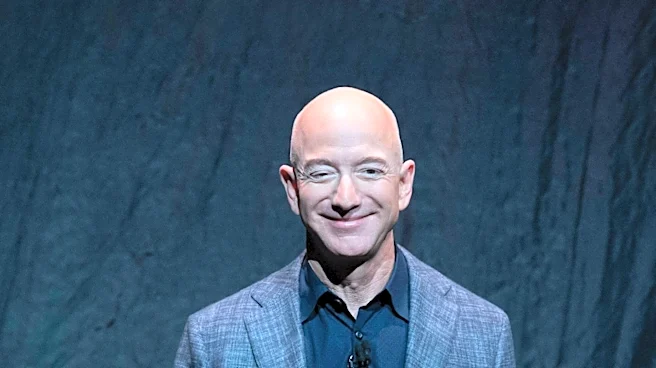
Slate, a new American electric vehicle manufacturer with investment from Amazon founder Jeff Bezos, is preparing for the first deliveries of its electric truck next year. The company's approach to vehicle design
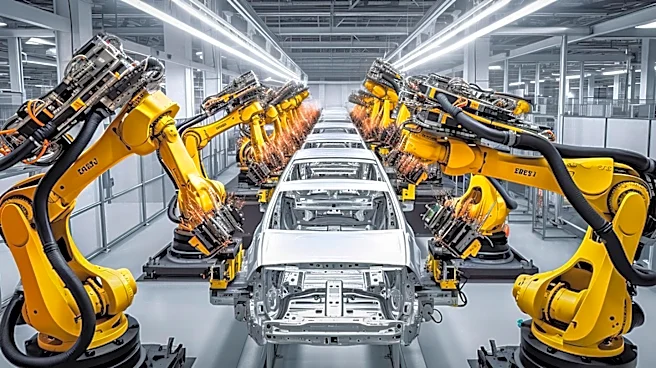
is centered around a single basic specification, with personalization achieved through a wide range of accessories rather than traditional trim levels. Slate operates on a direct-to-consumer sales model, bypassing traditional dealerships. The assembly of these vehicles is slated to occur at a former printing plant located in Warsaw, Indiana. The initial offering is a two-seat electric pickup, which can be customized with various wraps, storage solutions, audio systems, and even converted into a five-seat SUV. The base model, known as the 'Blank Slate,' features unpainted grey body panels to reduce manufacturing costs, with owners having the option to apply full or partial wraps. The vehicle incorporates standard safety features such as traction and stability control, automatic emergency braking, pedestrian detection, and multiple airbags. The truck is designed with attachment points to encourage a community-driven ecosystem for third-party accessories.
Why It's Important?
Slate's entry into the electric vehicle market signifies a potential shift in how consumers approach vehicle ownership and customization. By offering a highly modular and accessory-driven platform, Slate aims to provide a more flexible and personalized experience, potentially appealing to a segment of buyers looking for adaptable vehicles. The direct-to-consumer sales model challenges the traditional dealership network, which could influence pricing strategies and customer service expectations across the automotive industry. Furthermore, the company's focus on affordability, with a starting price of $24,950, could make electric trucks more accessible to a broader market, accelerating EV adoption. The involvement of high-profile investors like Jeff Bezos lends credibility and significant financial backing, suggesting a serious contender in the competitive EV landscape. This model could also foster a vibrant aftermarket community, allowing owners to continuously evolve their vehicles to meet changing needs and preferences, thereby extending vehicle utility and lifespan.
What's Next?
Slate is scheduled to begin its first vehicle deliveries next year, following the establishment of its assembly operations in Warsaw, Indiana. The company will focus on fulfilling pre-orders and scaling its production capabilities. As deliveries commence, Slate will likely monitor customer feedback closely to refine its product offerings and accessory ecosystem. The expansion of its 'Collective' program, which encourages outside companies and individual makers to develop products for the truck, will be crucial for building a robust customization platform. Slate also plans to launch a free app providing charging status, battery health information, and charger location assistance. The company's partnership with RepairPal's nationwide network for servicing will be vital for establishing a reliable after-sales support system. Future developments may include expanding its accessory catalog, introducing new body configurations, and potentially exploring markets beyond the United States, although sales are currently restricted to the U.S.
Beyond the Headlines
Slate's innovative approach to vehicle design and ownership could have broader implications for sustainability and consumer culture. By emphasizing modularity and user-driven customization, the company promotes a model where vehicles can be adapted and upgraded over time, potentially reducing the frequency of new car purchases and contributing to a more circular economy. The 'open-source' philosophy for accessories, allowing third-party developers to create compatible products, fosters a collaborative ecosystem that could democratize vehicle modification and innovation. This model challenges the traditional automotive industry's reliance on planned obsolescence and proprietary systems. Ethically, it empowers consumers with greater control over their vehicle's functionality and appearance, moving away from a one-size-fits-all approach. Legally, the direct-to-consumer model may continue to face regulatory challenges in states with strong dealership franchise laws, potentially influencing future legislation regarding automotive sales. Culturally, it could foster a new community of vehicle enthusiasts who actively participate in the evolution of their vehicles, akin to the maker movement.