



What's Happening?
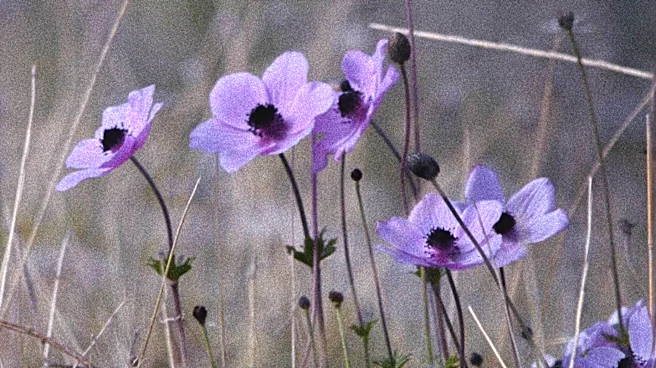
Japanese anemones are highlighted as an ideal plant to fill garden borders that appear empty by late summer. These plants bloom from late August through October, offering large, semi-double flowers that attract pollinators. They can grow between 2-5 feet
tall, making them suitable for the backs of borders. Varieties like Whirlwind and Curtain Call Deep Rose provide white and pink blooms, respectively. The plants are noted for their ability to thrive in partially shaded areas and are resistant to deer and rabbits. They require minimal maintenance, although they spread vigorously through underground rhizomes, which may require management to prevent them from overtaking garden spaces.
Why It's Important?
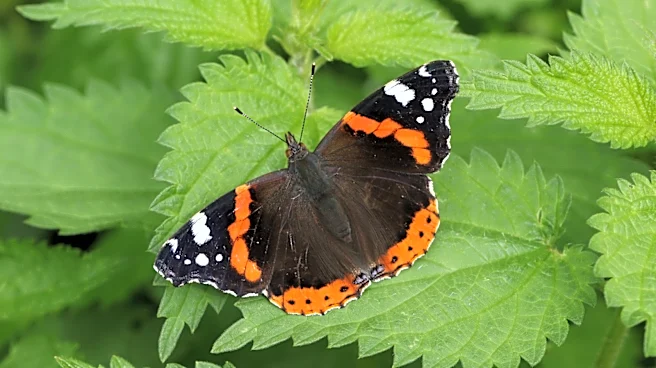
The introduction of Japanese anemones into gardens can significantly enhance biodiversity by providing a late-season nectar source for pollinators such as bees and butterflies. This is crucial as many other plants have finished blooming by late summer, creating a 'nectar gap.' Additionally, these plants contribute to the aesthetic appeal of gardens during a time when many other plants are fading. Their ability to thrive in less-than-ideal soil conditions and partial shade makes them a versatile choice for gardeners looking to maintain vibrant garden displays into the fall.
What's Next?
Gardeners interested in incorporating Japanese anemones should consider their spreading nature and plan for regular maintenance to control their growth. They can be planted alongside other fall-blooming plants like asters and goldenrod to create a robust pollinator-friendly garden. As they are hardy in zones 4-8, they can be a long-term addition to gardens in these areas, providing seasonal interest and ecological benefits year after year.
Beyond the Headlines
The use of Japanese anemones in gardens reflects a broader trend towards sustainable gardening practices that support local ecosystems. By choosing plants that provide resources for pollinators, gardeners can contribute to the health of local wildlife populations. This approach aligns with increasing awareness of the importance of biodiversity and the role of individual actions in environmental conservation.