






What's Happening?
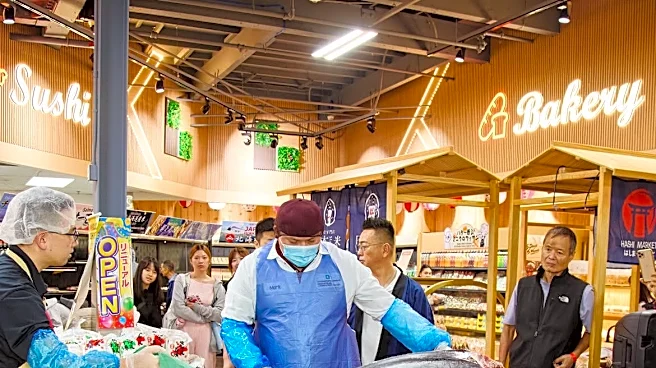
Yuu Japanese Food Hall has opened in Ventura, California, introducing a collection of highly-regarded Japanese restaurants to the United States for the first time. Located within a Round 1 bowling and arcade center in the Pacific View shopping mall, the food
hall features 14 vendors. The project, which took three years to develop, emphasizes authenticity, with restaurant owners and chefs meticulously sourcing ingredients and preparing dishes to closely match their original Japanese counterparts. While some ingredients are locally procured, many are imported directly from Japan. New equipment, such as a specialized filtration system for water, has been installed to replicate specific textures and flavors found in Japan. Hirotoshi Takahashi, executive vice president and chief operating officer of Round One Entertainment, stated that the Ventura offerings are over 80% similar to the original Japanese versions, despite some ingredient differences like using heritage black pork instead of Roppaku Kurobuta for tonkatsu. The food hall offers a diverse range of Japanese dishes, including udon, karaage, and various ramen styles, alongside non-Japanese options like Neapolitan pizzas and Sicilian gelato.
Why It's Important?
The opening of Yuu Japanese Food Hall signifies a growing trend in the U.S. food industry towards offering more authentic international culinary experiences. By bringing renowned Japanese restaurants stateside, it caters to an increasing consumer demand for diverse and high-quality global cuisine. This development could stimulate local economies by attracting both residents and day-trippers, as envisioned by Round One Entertainment. For the Japanese food industry, it represents an expansion into the American market, potentially boosting the visibility and appreciation of traditional Japanese culinary techniques and ingredients. The meticulous attention to ingredient sourcing and preparation also sets a new standard for authenticity in ethnic food offerings in the U.S., which could influence other international food ventures. Furthermore, the integration of the food hall with an entertainment complex like a bowling alley and arcade creates a comprehensive destination, enhancing its appeal and potentially increasing foot traffic for all businesses involved.
What's Next?
Yuu Japanese Food Hall plans to expand its presence with another location opening in Escondido later this year. This new location is expected to feature a fresh set of concepts, including Shaved Ice Housekibaco, known for its kakigori made with ice frozen over 72 hours, and Osaka-founded takoyaki shop Osaka Iggy, which offers octopus-stuffed takoyaki and Wagyu-filled sujiyaki. The success of these initial ventures in Ventura and Escondido could pave the way for further expansion of this model across the United States, bringing more authentic Japanese culinary experiences to a wider audience. The integration of food halls with entertainment centers may also become a more prevalent business model, as companies seek to create all-day destinations that appeal to a broad demographic. Stakeholders will be observing consumer reception and operational efficiency to determine the viability of this expansion strategy.
Beyond the Headlines
The establishment of Yuu Japanese Food Hall highlights a broader cultural exchange and the increasing globalization of culinary arts. The effort to replicate the authenticity of Japanese dishes, even down to water filtration systems and specific pork breeds, underscores a commitment to cultural fidelity that goes beyond mere adaptation. This trend can foster a deeper understanding and appreciation of diverse cultures through food. It also raises questions about the sustainability of importing specialized ingredients and the potential impact on local food systems. The concept of combining high-quality, authentic international cuisine with family entertainment venues like bowling alleys and arcades represents an innovative approach to leisure and dining, potentially reshaping how Americans experience and consume international food. This model could influence urban planning and commercial development, creating more integrated and culturally rich community hubs.