








What's Happening?
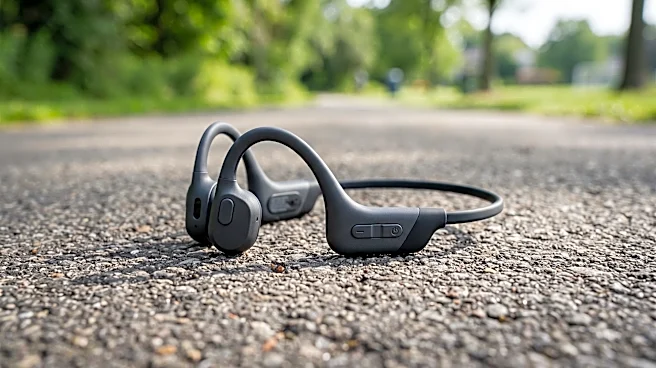
Mojawa has introduced Purra Flow, a new bone conduction headphone system designed for runners that integrates real-time heart rate monitoring. According to Mojawa, these headphones feature a built-in sensor that tracks heart rate and provides automatic
spoken updates directly to the user while running. This allows athletes to receive heart rate feedback without needing to check a separate display. The Purra Flow headphones also offer AI voice coaching and an open-ear design, which allows users to remain aware of their surroundings. The device aims to support heart rate zone training, a method that uses heart-rate ranges to describe exercise intensity, helping runners align their effort with their training goals. The system emphasizes that heart rate feedback should be used in conjunction with perceived effort and breathing for a comprehensive understanding of workout intensity.
Why It's Important?
The integration of heart rate monitoring directly into headphones, as seen with Mojawa Purra Flow, represents a significant advancement for U.S. runners and fitness enthusiasts. This innovation streamlines the training experience by providing immediate, audible feedback, eliminating the need to glance at a smartwatch or chest strap. For athletes engaged in heart rate zone training, this can lead to more precise and effective workouts, helping them stay within target intensity levels for warm-ups, endurance sessions, or high-intensity efforts. The open-ear design also addresses a critical safety concern for outdoor runners, allowing them to hear ambient sounds and remain aware of traffic or other environmental factors. This product could appeal to a broad segment of the U.S. fitness market, from casual joggers to serious marathoners, by offering convenience, safety, and enhanced training capabilities in a single device.
What's Next?
The introduction of products like Purra Flow suggests a future trend in wearable technology where multiple functionalities are seamlessly integrated into single devices. Consumers can expect to see more headphones and other wearables incorporating advanced biometric sensors and AI-driven coaching features. This could lead to a more personalized and interactive training experience, with devices offering real-time adjustments and guidance based on physiological data. The success of such integrated devices may also push other manufacturers to innovate, potentially leading to a more competitive market with a wider range of options for consumers. Further development might include more sophisticated AI coaching, enhanced accuracy of heart rate monitoring in various conditions, and broader compatibility with different fitness platforms and apps.
Beyond the Headlines
The rise of integrated fitness devices like Purra Flow highlights a broader shift towards 'invisible' technology that enhances daily activities without requiring constant interaction. This trend could lead to a more intuitive and less distracting approach to fitness tracking. However, it also raises questions about the potential for over-reliance on technology for self-assessment, potentially diminishing an individual's ability to intuitively understand their body's signals. The accuracy of heart rate monitoring in bone conduction headphones, especially during high-intensity activities, will be a critical factor for serious athletes. Furthermore, the increasing collection of personal biometric data by such devices underscores the importance of data privacy and security, as companies gather more intimate details about users' health and activity patterns.