







What's Happening?
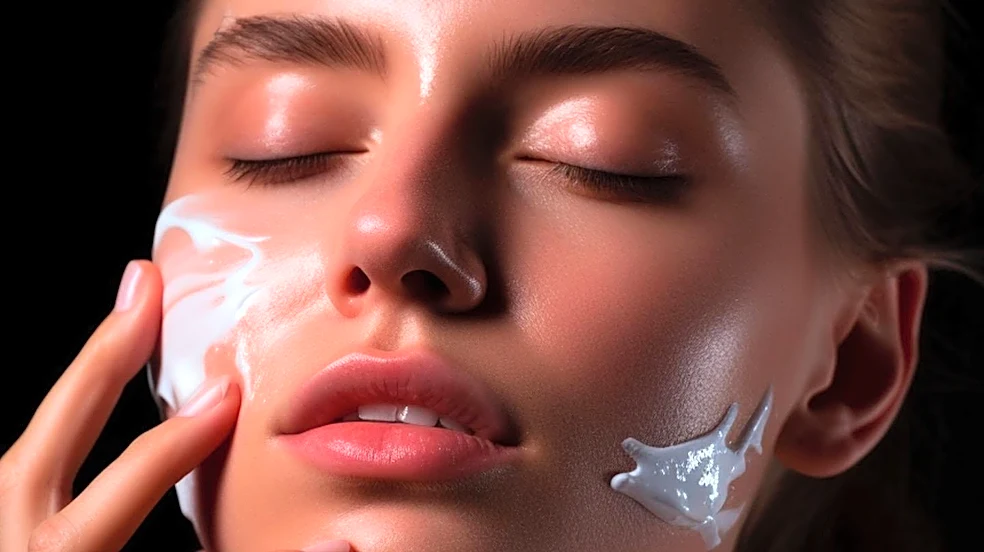
The concept of 'glass skin,' originating from Korean beauty, focuses on achieving a complexion that is smooth, deeply hydrated, and translucent, appearing reflective. This is achieved through a skincare routine that prioritizes barrier health and deep moisture
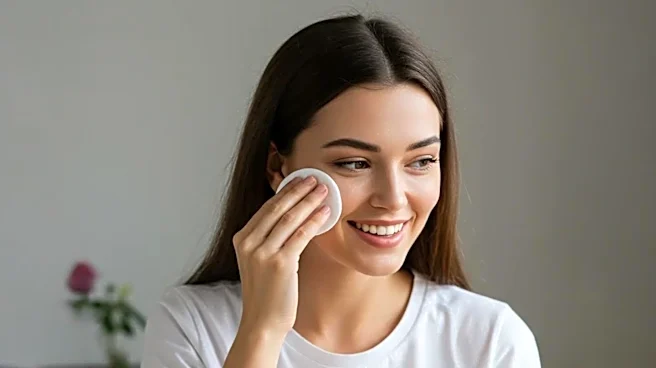
rather than aggressive exfoliation. Key steps include mindful double cleansing, layered hydration using the '3-to-5 skin method,' targeted serums, and sealing with a barrier-restoring cream. Ingredients like hyaluronic acid, glycerin, panthenol, beta-glucan, niacinamide, Centella Asiatica, snail mucin, and peptides are highlighted for their roles in hydration, lipid repair, and cellular comfort. Daily sun protection with broad-spectrum SPF 50+ is also a crucial component. The routine emphasizes gentle care and consistent application, with the understanding that true glass skin is a result of a nurtured, resilient skin barrier.
Why It's Important?
This approach to skincare is important as it shifts the focus from superficial perfection to underlying skin health. By emphasizing barrier integrity and deep hydration, it promotes long-term skin resilience and reduces the risk of irritation often associated with harsh treatments. For consumers, understanding this philosophy can lead to more effective and sustainable skincare practices, potentially reducing spending on products that promise quick fixes but compromise skin health. For the beauty industry, this trend highlights a demand for gentle, nourishing formulations and ingredients that support the skin's natural functions. It also underscores the influence of global beauty trends, particularly from South Korea, on U.S. consumer preferences and product development, encouraging a more holistic view of beauty that values health over immediate, often unsustainable, results.
What's Next?
The continued popularity of the 'glass skin' trend suggests a sustained market for products that support skin barrier function and provide intense hydration. Skincare brands are likely to further innovate in formulations featuring humectants, ceramides, and other barrier-supporting ingredients. There may be an increased emphasis on educational content for consumers, guiding them on proper layering techniques and the importance of ingredient synergy. Dermatologists and skincare professionals will continue to advocate for routines that prioritize skin health, potentially integrating these principles into their recommendations. The trend could also lead to a greater focus on lifestyle factors, such as diet, sleep, and stress management, as integral components of achieving healthy, radiant skin, moving beyond topical applications alone.
Beyond the Headlines
The 'glass skin' phenomenon reflects a broader cultural shift towards wellness and a more informed approach to personal care. It challenges the traditional Western beauty ideal of matte, poreless skin, promoting instead a luminous, healthy glow that embraces natural texture. This shift has ethical implications, as it encourages self-acceptance and moves away from unrealistic beauty standards often perpetuated by social media. Legally, the emphasis on ingredient efficacy and gentle formulations may lead to increased scrutiny of product claims and a demand for transparency from beauty companies. Culturally, it signifies the growing influence of Asian beauty philosophies, which often prioritize preventative care and long-term skin health, on global beauty norms, fostering a more diverse and inclusive understanding of beauty.